 General
 Sri Lanka Secures 53rd Position in 2026 Global Hunger Index
Sri Lanka has been placed 53rd in the 2026 Global Hunger Index (GHI), the latest edition of the internationally recognised benchmark that measures and tracks…
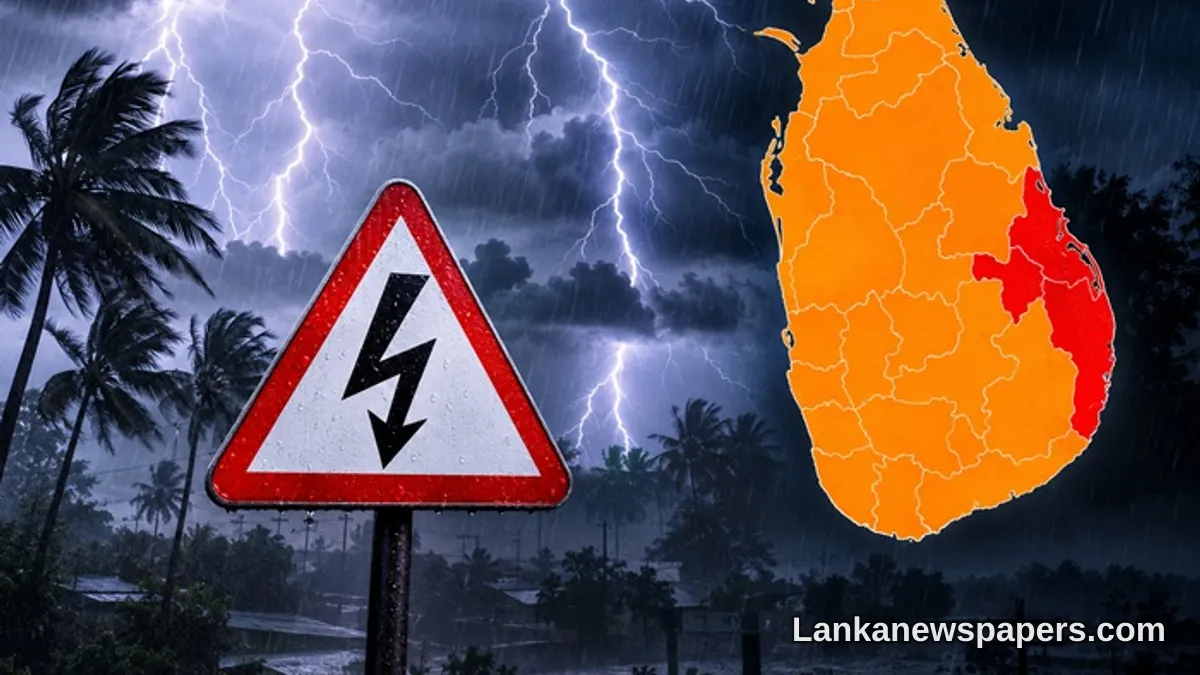
The Department of Meteorology has placed the entire island on alert, issuing lightning warnings covering all 25 districts of Sri Lanka,…
27 Oct 2026 General
 Sri Lanka has been placed 53rd in the 2026 Global Hunger Index (GHI), the latest edition of the internationally recognised benchmark that measures and tracks…
General The Chemmani mass grave site in the Northern Province has emerged as one of the most profound tests of the Sri Lankan government's commitment to truth,…
 General
 Harry Kane and Alexia Putellas have been named the finest footballers on the planet, claiming the men's and women's Ballon d'Or awards respectively at this…
 General
 Landmark UN Findings Condemn Israeli Actions in Palestine The United Nations Independent International Commission of Inquiry has formally concluded that Israel…
 General
 Examination Ordered Following Custody Death A post-mortem examination has been scheduled for a 29-year-old man who died after being taken into custody by the…
General A suspect wanted in connection with a triple murder case and listed under an Interpol Red Notice has been successfully repatriated to Sri Lanka, authorities…
 General
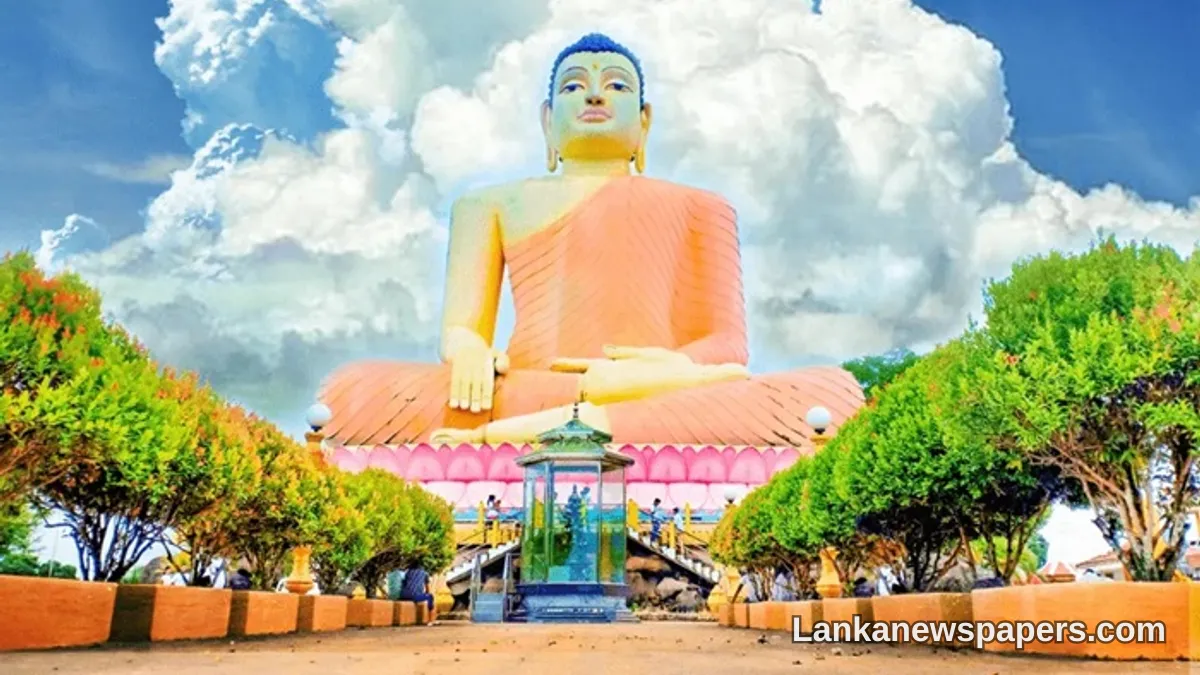
 A 33-year-old tourist guide has lost his life following a fatal attack by a female elephant housed at the Kande Viharaya temple in Aluthgama, authorities…
General Sri Lanka Podujana Peramuna (SLPP) parliamentarian Namal Rajapaksa, son of former President Mahinda Rajapaksa, was produced before a court in connection with…
General Sri Lanka has reached a landmark moment in its business community history, with Mark Surgenor becoming the first person representing the country to win the…
General Sri Lanka's LAUGFS Gas is actively exploring options to either sell or attract strategic investment into its liquefied petroleum gas terminal located in…
General Sri Lankan authorities have ordered a special investigation to identify officials allegedly responsible for deliberately stalling the extradition of a…
General A suspect wanted in connection with a triple murder in Middeniya has been arrested in the United Arab Emirates and brought back to Sri Lanka after authorities…
General General General General  Politics
  Politics
  Politics
  Politics
  Crime
Crime  Crime
Crime  Crime
Crime  Crime
Crime