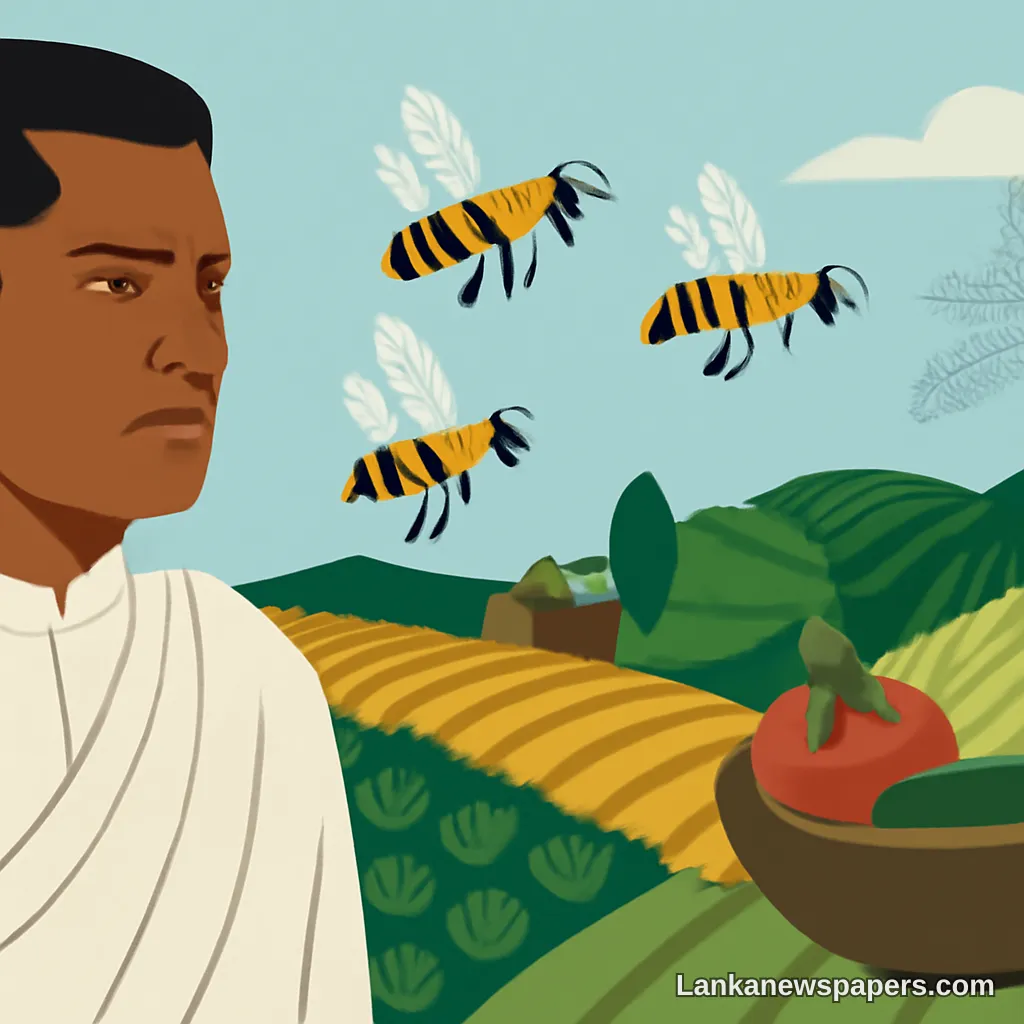
Sri Lanka's food production sector is facing a growing crisis as the country's bee population continues to decline, with experts warning that the consequences for agriculture and food security could be severe if urgent action is not taken.
A Silent Crisis Unfolding
Bees play an indispensable role in pollinating crops across Sri Lanka, making them one of the most critical contributors to the nation's agricultural output. However, experts are now sounding the alarm over a significant and worrying drop in bee populations throughout the island, a trend that threatens to disrupt food production at a fundamental level.
Without adequate pollination, yields of fruits, vegetables, and other crops are expected to fall sharply, placing additional strain on a food sector that is already grappling with economic pressures and climate-related challenges.
What Is Driving the Decline?
Several factors are believed to be contributing to the shrinking bee population in Sri Lanka, including:
- Widespread use of chemical pesticides in farming practices
- Destruction and degradation of natural habitats
- Climate change and unpredictable weather patterns
- The spread of disease and parasites affecting bee colonies
Far-Reaching Impact on Agriculture
Experts emphasise that the decline is not merely an environmental concern but a direct threat to livelihoods and food availability for millions of Sri Lankans. Many crops that form the backbone of the local diet — including vegetables, fruits, and certain spices — depend heavily on bee pollination to produce viable yields.
The loss of bees is not something we can afford to ignore. Their role in sustaining our food systems is irreplaceable, and every season we delay action, the damage compounds further.
Calls for Immediate Action
Conservationists and agricultural specialists are calling on the government, farmers, and the general public to take coordinated steps to reverse the decline. Recommended measures include reducing dependency on harmful pesticides, protecting and restoring natural ecosystems that support bee habitats, and promoting awareness about the vital ecological role bees play in everyday life.
With Sri Lanka still working to stabilise its economy and ensure food sufficiency for its population, the preservation of bee colonies has taken on fresh urgency. Experts stress that safeguarding pollinators must be treated as a national priority, integrated into both agricultural policy and environmental conservation strategies going forward.



💬 Join the Discussion 2
See what readers are saying — and add your view.
no bees no food simple as that. goverment must act now before too late
they wont act until the problem is right in front of them as usual