Sri Lanka Battles Worst Dengue Outbreak in Ten Years, Deploys Drones and Military Support
Sri Lanka is currently grappling with its most severe dengue fever outbreak in a decade, with health authorities scrambling to contain the rapidly spreading mosquito-borne disease across the island nation.
A Crisis of Unprecedented Scale
The scale of the current outbreak has alarmed public health officials, marking the worst surge in dengue cases the country has witnessed in ten years. Communities across multiple districts are being affected, placing considerable strain on hospital resources and medical personnel already under pressure.
Drones Deployed in the Fight Against Mosquitoes
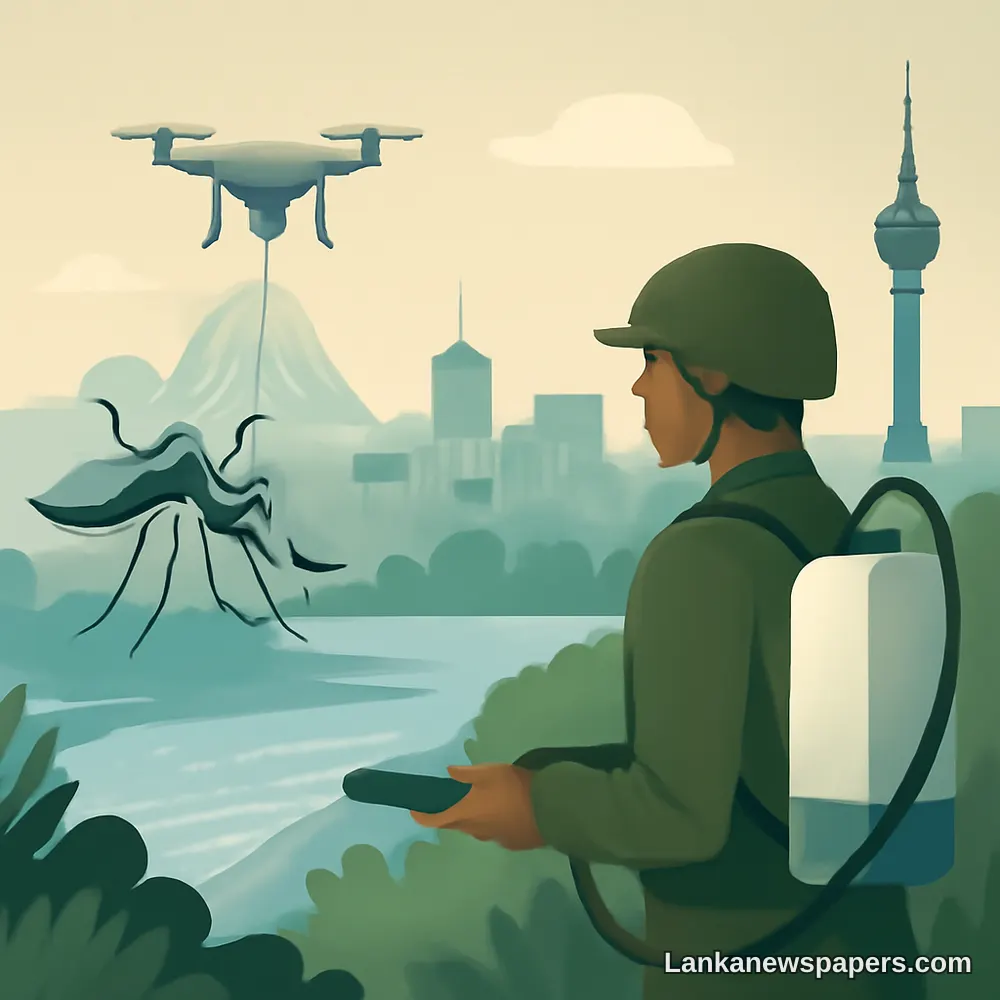
In a significant escalation of the response effort, authorities have turned to modern technology to combat the outbreak. Drones are being deployed to identify and target mosquito breeding sites, particularly in areas that are difficult to reach through conventional ground-based inspections. The use of aerial surveillance and spraying technology represents a notable shift in how Sri Lanka is approaching vector control during this crisis.
Military Called In to Assist
The Sri Lankan military has also been brought in to support the national response. Troops are assisting health workers in carrying out fumigation operations, clearing potential breeding grounds, and raising awareness in affected communities. The involvement of the armed forces underscores the seriousness with which the government is treating the outbreak.
Public Urged to Take Precautions
Health authorities are urging the public to take immediate preventive measures to reduce the risk of further transmission. Key recommendations include:
- Eliminating stagnant water around homes and workplaces where mosquitoes breed
- Using mosquito repellents and wearing protective clothing, especially during peak mosquito activity hours
- Seeking medical attention promptly if symptoms such as high fever, severe headache, or joint pain develop
- Cooperating with fumigation teams and health inspectors visiting local areas
A Recurring Threat Demanding Long-Term Action
Dengue fever has long been a recurring public health challenge in Sri Lanka, with outbreaks typically intensifying during and after periods of heavy rainfall. However, the current situation has surpassed recent years in both the number of reported cases and the geographic spread of the disease.
Health officials have stressed that community participation is absolutely essential to bring this outbreak under control, warning that government efforts alone cannot be sufficient without widespread public cooperation.
Authorities continue to monitor the situation closely and have called on all Sri Lankans to remain vigilant, treat the threat seriously, and support ongoing eradication efforts in their neighbourhoods.


💬 Join the Discussion 0
Be the first to share your view on this story.