Sri Lanka Faces Fresh Malaria Threat as New Parasite Strain Raises Health Concerns
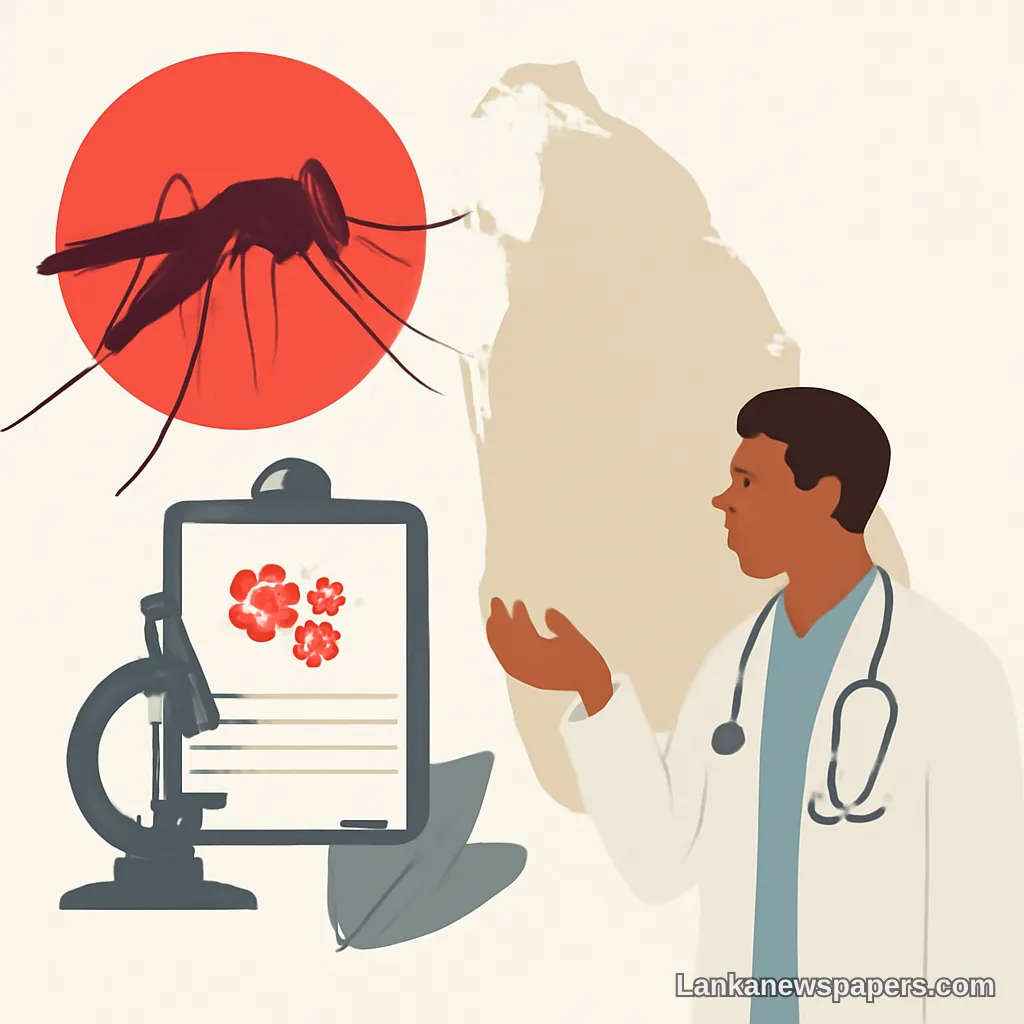
Sri Lanka's public health authorities are on high alert following the emergence of a new malaria parasite threat that has raised serious concerns among medical professionals and disease control experts across the island.
A Renewed Threat to a Country That Beat Malaria
Sri Lanka achieved a landmark milestone when it was certified malaria-free by the World Health Organization in 2016, following decades of sustained effort to eliminate the disease. However, the emergence of a new parasite strain has put that hard-won status under renewed scrutiny, prompting urgent calls for heightened surveillance and preventive action.
Health officials are closely monitoring the situation as concerns grow that the new parasitic threat could undermine the country's malaria elimination achievements if left unchecked.
What the Threat Means for Sri Lanka
Malaria, a mosquito-borne illness caused by Plasmodium parasites, was once a leading cause of illness and death in Sri Lanka. The country's successful elimination campaign involved extensive mosquito control programmes, widespread testing, and robust treatment protocols over many years.
The reappearance of a malaria parasite threat — whether through imported cases, shifting mosquito populations, or a newly identified strain — poses a significant challenge to the nation's public health infrastructure.
- Health authorities are urging the public to remain vigilant and report any symptoms associated with malaria, including fever, chills, and fatigue.
- Increased mosquito control measures are being considered in vulnerable regions.
- Surveillance at ports of entry is being reviewed to intercept potential imported cases.
Experts Call for Immediate Action
Medical experts warn that complacency following malaria elimination is one of the greatest risks a country can face, as reduced surveillance and diminished public awareness can allow the disease to quietly re-establish itself.
Sustaining malaria-free status requires continuous investment in surveillance systems, rapid response capabilities, and public education — the work does not end with elimination certification.
Authorities are expected to issue further guidance as investigations into the new parasite threat continue. The public is advised to use mosquito repellents, sleep under treated nets in high-risk areas, and seek immediate medical attention if malaria symptoms develop.
Sri Lanka's Anti-Malaria Campaign and the Ministry of Health are coordinating efforts to assess the scale of the risk and implement appropriate countermeasures to protect the population.



💬 Join the Discussion 1
See what readers are saying — and add your view.
After all that hard work to eliminate malaria now this. Goverment better act fast.