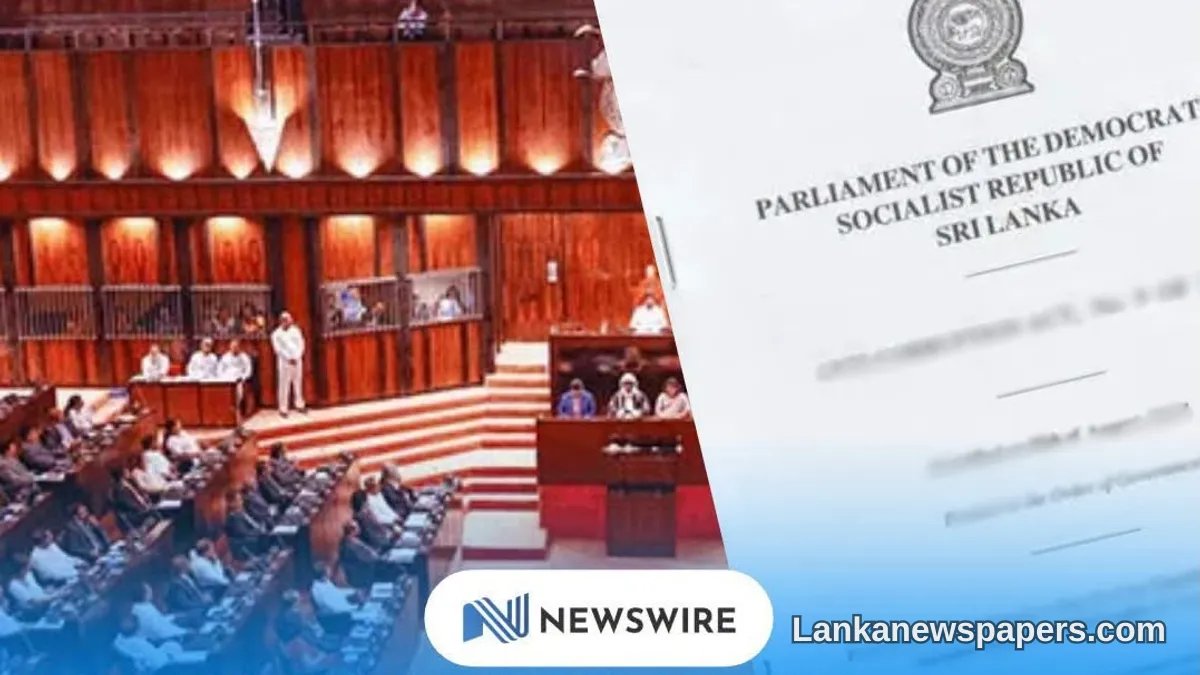
Sri Lanka's Parliament passed the Anti-Corruption (Amendment) Bill on Thursday without putting the matter to a vote, signalling broad consensus among legislators on the landmark piece of legislation.
The bill, which was adopted with amendments, aims to strengthen the country's existing anti-corruption framework at a time when public pressure for greater accountability and transparency in governance remains high.
A Significant Legislative Step
The passage of the bill without a vote reflects a rare degree of cross-party agreement in a Parliament that has frequently been divided along political lines. Legislation of this nature typically requires extensive debate and negotiation before reaching the floor, making Thursday's smooth passage a notable development in Sri Lanka's ongoing efforts to tackle corruption at all levels of public life.
The amendments incorporated into the bill before its final passage suggest that revisions were made during parliamentary deliberations to address concerns raised by various stakeholders, though the specific changes are expected to be detailed in the official gazette notification.
Broader Context
Sri Lanka has faced sustained domestic and international scrutiny over corruption-related issues, particularly in the aftermath of the 2022 economic crisis, which many analysts and civil society groups linked in part to decades of mismanagement and corrupt practices within state institutions.
The government has repeatedly pledged to introduce robust legal mechanisms to combat corruption as part of its broader reform agenda, including commitments made to international creditors and development partners supporting the country's economic recovery programme.
Anti-corruption campaigners and good governance advocates are expected to closely examine the final text of the amended legislation to assess whether it provides the independent oversight mechanisms and enforcement powers necessary to bring about meaningful change.
The bill will now proceed through the remaining constitutional formalities before being enacted into law.



💬 Join the Discussion 1
See what readers are saying — and add your view.
passed without a vote? how does that even work lol