India's BJP Strengthens Ties With Sri Lanka's Ruling JVP as New Delhi Seeks to Fast-Track Key Projects
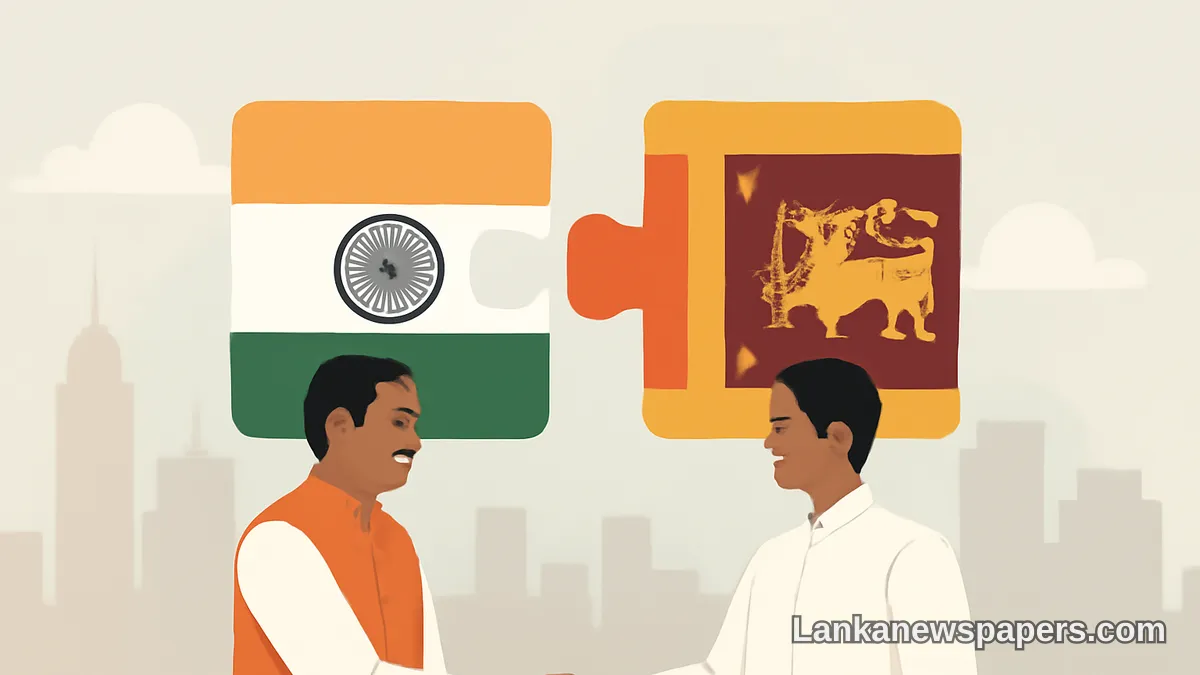
Bilateral Party Relations Take Centre Stage in India-Sri Lanka Diplomatic Outreach
India's ruling Bharatiya Janata Party (BJP) is actively working to deepen its political ties with Sri Lanka's governing Janatha Vimukthi Peramuna (JVP), as New Delhi moves to accelerate the implementation of major development projects on the island nation.
A Strategic Push Beyond Diplomacy
The initiative marks a notable shift in how India is approaching its relationship with Sri Lanka — going beyond traditional state-to-state diplomacy to build direct party-to-party linkages with the JVP-led administration. Such an approach is seen as a way of embedding India's strategic and economic interests more firmly within Sri Lanka's political landscape.
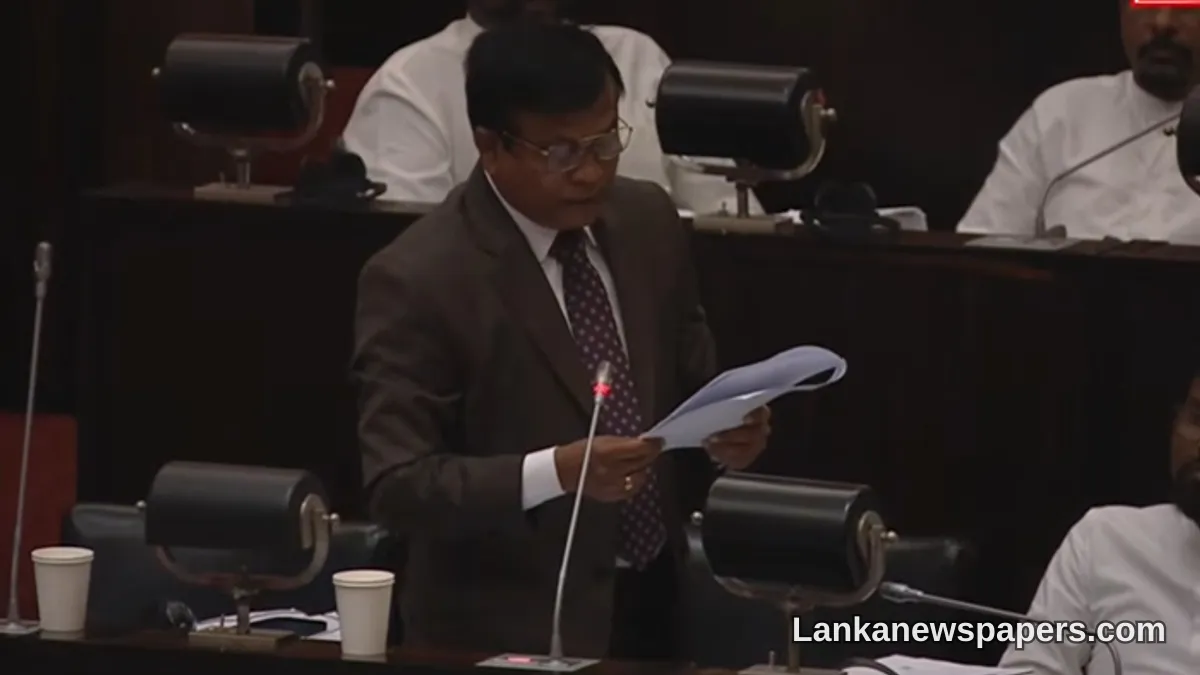
The BJP's outreach comes at a time when the JVP, under President Anura Kumara Dissanayake, has consolidated power following a landmark electoral victory. Historically viewed as a left-wing, nationalist party with roots in anti-Indian sentiment, the JVP's recent pragmatic foreign policy posture has opened new doors for engagement with New Delhi.
India-Funded Projects on the Fast Track
A key driver of the BJP's engagement is the desire to speed up the progress of Indian-backed infrastructure and development projects in Sri Lanka, several of which have faced delays in recent years. New Delhi is keen to ensure these projects gain momentum under the new government, as they form a critical part of India's broader strategy to maintain influence in its immediate neighbourhood.
These projects span multiple sectors, including energy, connectivity, and infrastructure development — areas that are central to Sri Lanka's post-economic crisis recovery efforts.
Regional Significance Amid Geopolitical Competition
The move is also widely understood in the context of growing geopolitical competition in the Indian Ocean region, where China has significantly expanded its footprint in Sri Lanka through major investment projects and infrastructure loans. India's push to strengthen political bonds with the ruling party is seen as a countermeasure aimed at preserving New Delhi's traditional sphere of influence.
Analysts note that for Sri Lanka, cultivating strong ties with India — its closest and largest neighbour — remains a foreign policy priority, even as Colombo seeks to balance its relationships with multiple global powers.
What This Means for Sri Lanka
For ordinary Sri Lankans still navigating the aftermath of the country's worst economic crisis in modern history, the acceleration of India-backed development projects could translate into tangible benefits, including improved infrastructure, greater energy security, and enhanced economic activity.
The developing BJP-JVP relationship is expected to be closely watched by regional observers, as it could reshape the contours of South Asian politics and signal a new chapter in one of the region's most consequential bilateral relationships.
💬 Join the Discussion 1
See what readers are saying — and add your view.
JVP sold us out to India already, typical politicians no difference