Civil Society Groups Demand Clear Framework for Presidential Pardons Amid Controversy
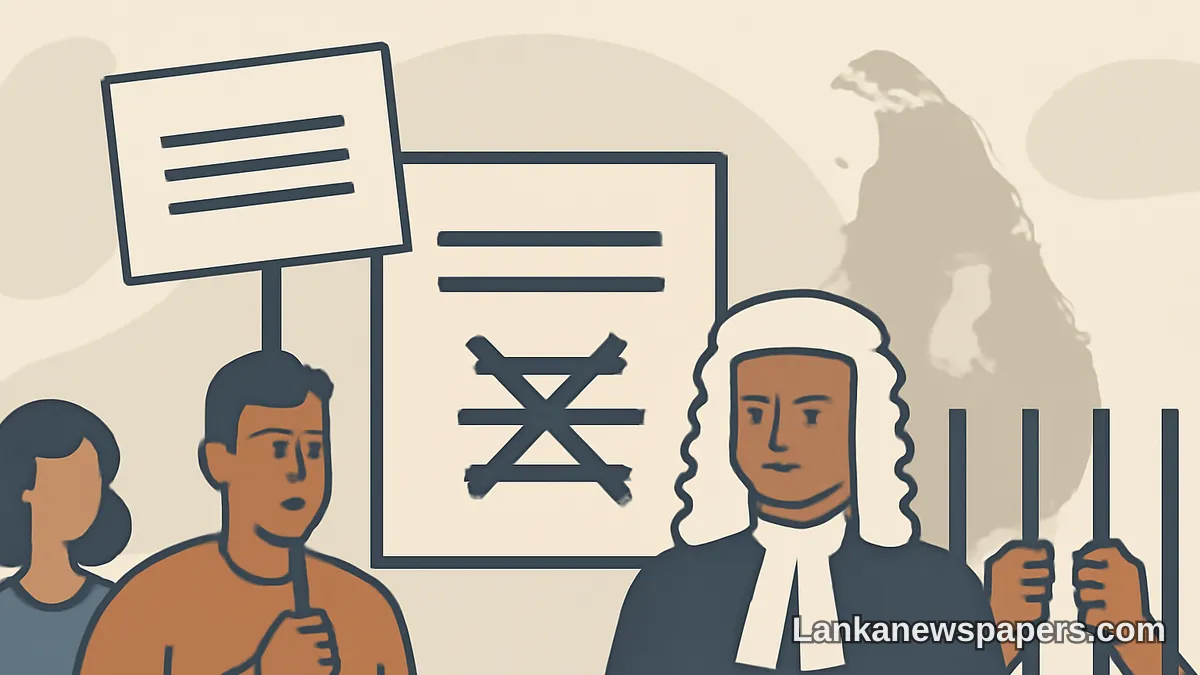
Pressure Mounts on NPP Government Over Pardon Process
The National People's Power government is facing mounting pressure from civil society organisations to establish a transparent and legally sound mechanism for handling presidential pardon requests, amid growing concerns that the current approach is arbitrary and open to abuse.
Civil Society Speaks Out
Prominent civil society representative Gamini Viyangoda publicly criticised the NPP administration for the manner in which presidential pardons have been granted, describing the process as deeply flawed and potentially unlawful. Speaking on behalf of several civil society organisations, Viyangoda called on the government to immediately halt what he characterised as irregular pardons and put in place a structured framework to govern the practice.
The appeal reflects widespread unease among activist groups and legal observers over the absence of clear guidelines dictating how and when the President may exercise the power to pardon convicted individuals.
Calls for Accountability and Transparency
Civil society groups have long argued that presidential pardons, when granted without sufficient scrutiny or public accountability, undermine the integrity of Sri Lanka's judicial system. Advocates insist that any mechanism introduced must include:
- Clearly defined eligibility criteria for individuals seeking a presidential pardon
- An independent advisory body to review and make recommendations on pardon applications
- Full public disclosure of the grounds upon which any pardon is granted
- Mandatory consultation with relevant legal and judicial authorities prior to a decision being made
A Test for the NPP Administration
The controversy presents a significant early test for the NPP government, which came to power on a platform of good governance, anti-corruption, and institutional reform. Critics argue that failing to address this issue transparently would be inconsistent with the administration's stated values and its promises to the Sri Lankan electorate.
Civil society organisations contend that the presidential pardon power must not be exercised as a political tool, but rather as a carefully considered act of mercy subject to rigorous legal oversight.
As pressure continues to build, all eyes are on the government to respond with concrete policy action, with many observers warning that inaction risks further eroding public trust in both the executive and the broader justice system.


💬 Join the Discussion 3
See what readers are saying — and add your view.
Viyangoda is always shouting but goverment never listens to these ppl
finally someone talking about this. pardons cannot just be given randomly like gifts
exactly, what is the criteria? nobody knows anything