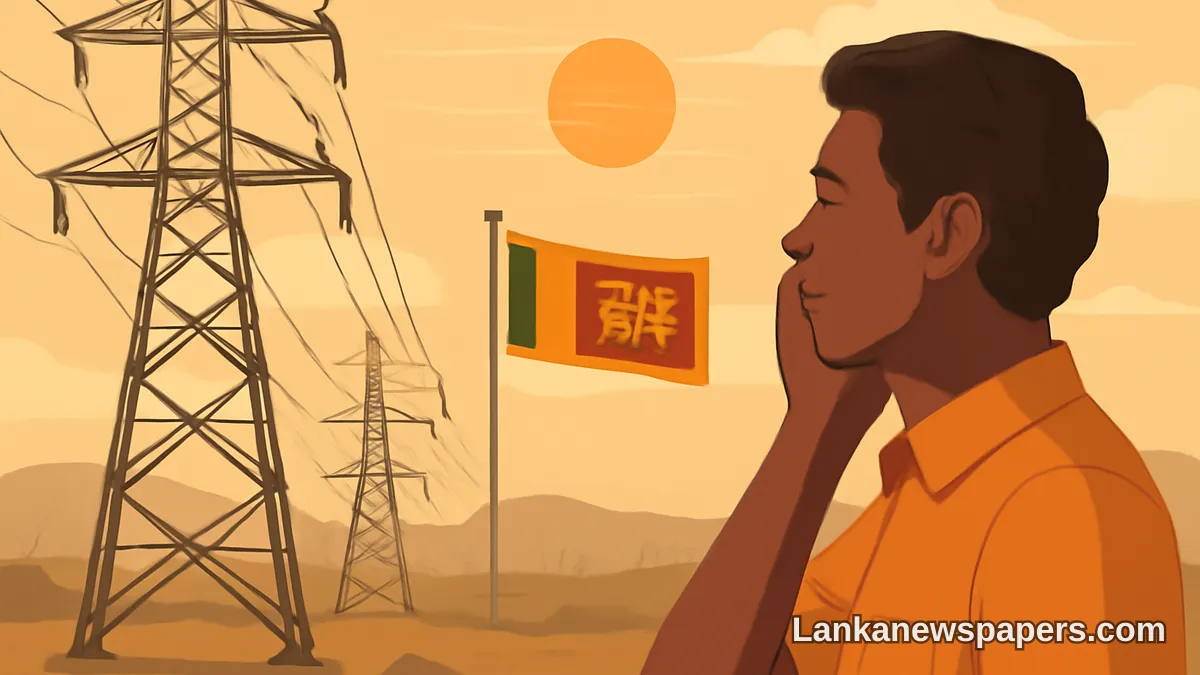
Sri Lanka's power sector regulator has issued a stark warning that the country may experience electricity shortages driven by the dual pressure of rising demand and weakened generation capacity caused by prevailing El Niño weather conditions.
Regulator Sounds the Alarm
K. P. L. Chandralal, Chairman of the Public Utilities Commission of Sri Lanka (PUCSL), made the cautionary statement on Monday, the 24th, urging authorities and the public to take the developing situation seriously. He indicated that the ongoing El Niño phenomenon poses a significant threat to the country's hydropower generation capacity, which remains a critical component of Sri Lanka's electricity supply mix.
El Niño and Its Impact on Power Generation
El Niño weather patterns are associated with drier-than-normal conditions across the South Asian region, which can significantly reduce water levels in the reservoirs that feed Sri Lanka's hydropower plants. A prolonged dry spell brought on by such conditions would curtail electricity generation at a time when demand continues to grow.
- Reduced rainfall leads to lower reservoir levels, directly impacting hydropower output
- Electricity demand is expected to rise as temperatures increase under El Niño conditions
- The combination of lower generation and higher consumption increases the risk of power cuts
Public and Authorities Put on Notice
The PUCSL Chairman's warning serves as an early signal for both energy authorities and the general public to prepare for possible disruptions to the electricity supply in the weeks and months ahead.
Sri Lanka has experienced painful bouts of prolonged power cuts in recent years, most notably during the height of the country's economic crisis, making any fresh threat to electricity stability a matter of serious public concern. The PUCSL's timely alert is seen as an attempt to prompt proactive measures before the situation deteriorates further.
Consumers and industries are being implicitly urged to adopt energy conservation practices, while electricity authorities are expected to explore alternative generation options to offset any shortfall stemming from reduced hydropower availability.

💬 Join the Discussion 1
See what readers are saying — and add your view.
here we go again, same story every year no