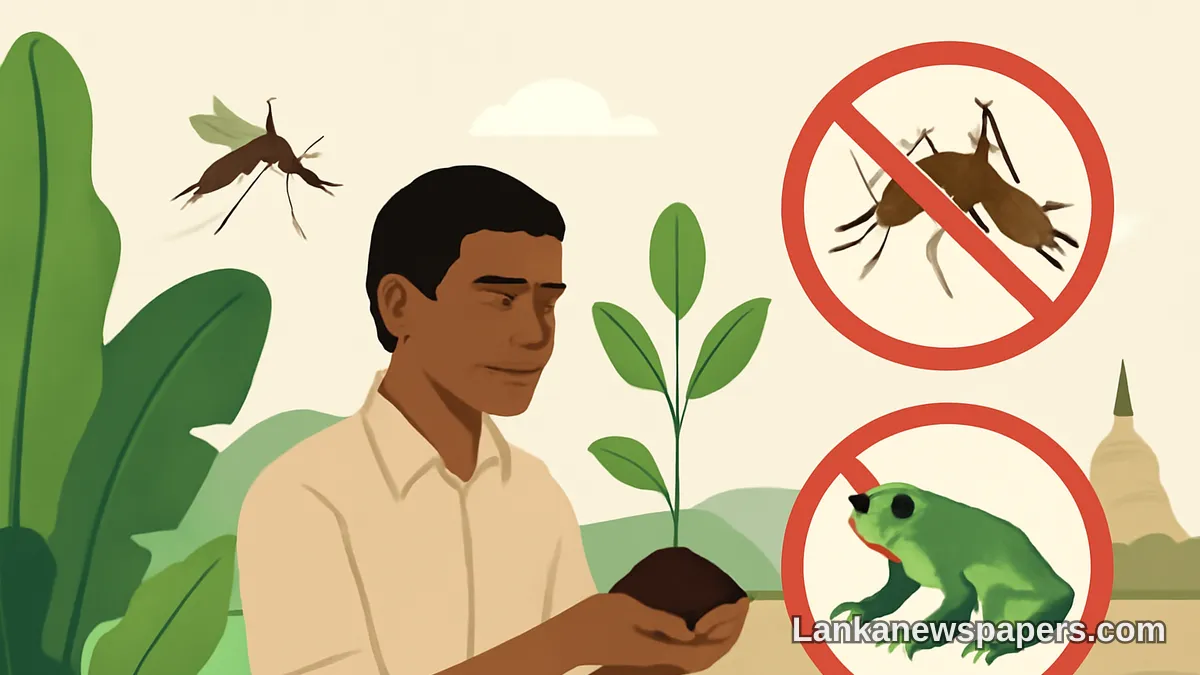
A Growing Public Health Crisis
Dengue fever continues to pose one of the most persistent and serious public health challenges facing Sri Lanka today. With thousands of confirmed cases reported annually across the island, health authorities are under mounting pressure to find sustainable, long-term solutions that go beyond conventional mosquito control methods such as chemical spraying and public awareness campaigns.
What Is Biological Control?
Biological control refers to the use of living organisms or naturally derived agents to suppress or eliminate pest populations — in this case, the Aedes aegypti mosquito, which is the primary carrier of the dengue virus. Unlike chemical pesticides, biological control methods aim to work in harmony with the natural environment, reducing the risk of harmful side effects on ecosystems, human health, and non-target species.
Key Biological Strategies Being Explored
- Wolbachia bacteria: Mosquitoes infected with the naturally occurring Wolbachia bacterium have a significantly reduced ability to transmit the dengue virus. Releasing Wolbachia-carrying mosquitoes into the wild has shown promising results in several countries and is being considered as a viable option for Sri Lanka.
- Larvivorous fish: Certain species of fish, such as guppies and gambusia, feed on mosquito larvae in stagnant water bodies. Introducing these fish into ponds, wells, and other water sources can help reduce larval populations before they mature into disease-carrying adult mosquitoes.
- Bacillus thuringiensis israelensis (Bti): This naturally occurring soil bacterium produces toxins that are lethal to mosquito larvae but harmless to humans, animals, and beneficial insects. Bti-based products can be applied to standing water to control larval breeding sites effectively.
- Sterile Insect Technique (SIT): This method involves mass-rearing male mosquitoes, sterilising them through radiation or other means, and releasing them into the environment. When sterile males mate with wild females, no viable offspring are produced, gradually reducing the mosquito population over time.
Advantages Over Chemical Methods
One of the most compelling arguments for biological control is its environmental sustainability. Chemical insecticides, while effective in the short term, can lead to insecticide resistance among mosquito populations — a problem already being observed in parts of Sri Lanka. Furthermore, repeated chemical spraying raises concerns about contamination of water sources and harm to beneficial insects such as bees and butterflies, which play a critical role in pollination.
Biological methods, by contrast, tend to be self-sustaining once established, cost-effective over the long run, and far less disruptive to the broader ecosystem. They also align with growing global commitments to reduce the use of harmful chemicals in public health interventions.
Challenges to Implementation
Despite their promise, biological control methods are not without challenges. Introducing new organisms into local ecosystems requires rigorous scientific assessment to avoid unintended consequences. Community acceptance is another critical factor — the public must be educated and reassured about the safety and effectiveness of these approaches before large-scale rollouts can succeed.
Additionally, biological control programmes require sustained government funding, trained personnel, and robust monitoring systems to track their impact over time. Sri Lanka's health infrastructure, while capable, would need targeted investment to implement these strategies at a meaningful scale.
The Way Forward
Health experts stress that no single method will be sufficient to bring the dengue epidemic under control. A truly effective response will require an integrated vector management approach — combining biological control with environmental management, community engagement, and judicious use of chemical controls where necessary.
Biological control offers Sri Lanka a scientifically sound, environmentally responsible pathway to reducing dengue transmission, but it must be implemented as part of a broader, coordinated national strategy.
As Sri Lanka continues to grapple with the human and economic toll of dengue, the shift towards biological solutions represents not just an opportunity, but an urgent imperative. With the right investment and political will, the island nation could become a regional model for innovative, nature-based public health interventions.



💬 Join the Discussion 3
See what readers are saying — and add your view.
what are the "natural weapons" exactly? article doesnt explain properly
finally something that actually makes sense, not just spraying chemicals everywhere
true but will goverment actually follow through or just another pilot project