Sri Lanka's Proposed NGO Law Draws Sharp Criticism Over Civil Society Crackdown Fears
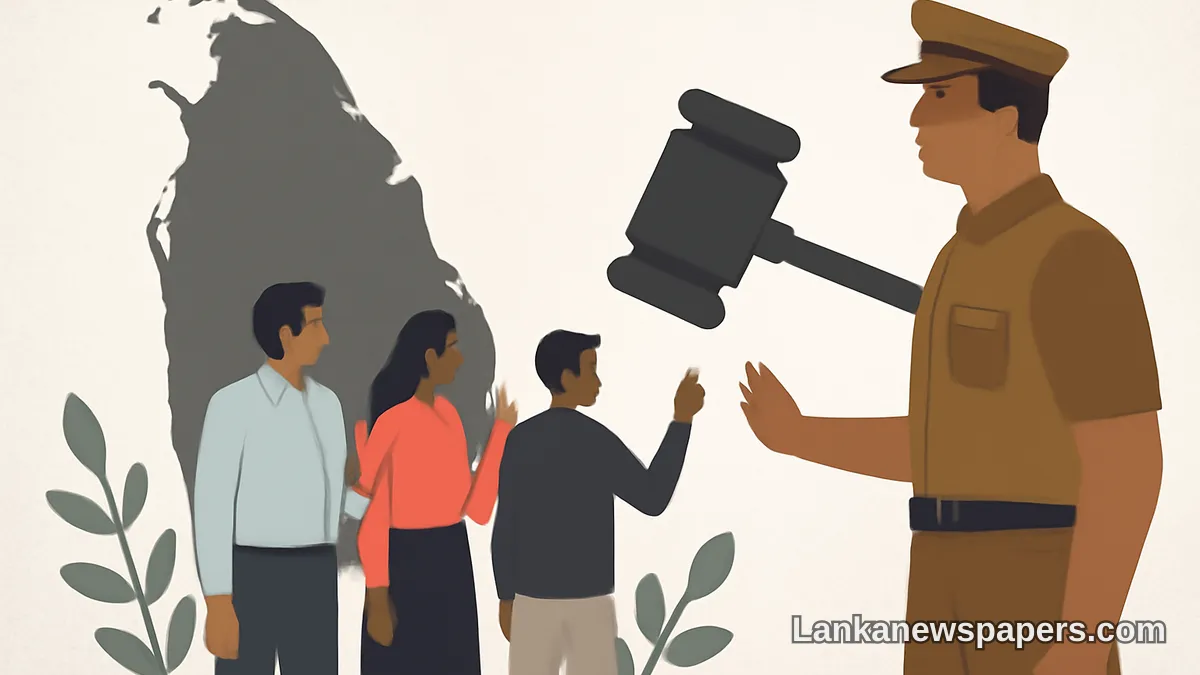
Sri Lanka is weighing a controversial new piece of legislation that would significantly tighten government oversight of non-governmental organisations, drawing fierce condemnation from civil society advocates who warn the law is intended to suppress independent voices rather than promote accountability.
What the Proposed Law Entails
The draft legislation, which is currently under consideration by Sri Lankan authorities, would impose sweeping new regulations on NGOs operating within the country. Critics argue the measures go far beyond reasonable oversight, instead creating mechanisms that could be weaponised against organisations that speak out on human rights, governance, and social justice issues.
Concerns from Civil Society
Advocates and watchdog groups have raised the alarm over what they describe as a deliberate effort to curtail the independence of civil society. The law has been characterised by critics as one designed to intimidate and control organisations that hold the government to account.
Analysts warn that if enacted in its current form, the legislation could have a chilling effect on freedom of expression and the ability of NGOs to carry out their work freely and without fear of state interference.
Civil society representatives stress that NGOs play a vital role in Sri Lanka, particularly in delivering humanitarian services, supporting marginalised communities, and advocating for democratic values at a time when the country continues to recover from its worst economic crisis in decades.
A Pattern of Concern
The proposal comes amid broader anxieties about the shrinking space for dissent and independent oversight in Sri Lanka. Human rights groups have long cautioned that legislative tools targeting NGOs have been used in other countries across the region to silence critics operating outside of direct government control.
- The legislation would place stricter reporting and registration requirements on NGOs
- Critics say enforcement powers under the proposed law are overly broad
- International observers have urged the Sri Lankan government to reconsider the draft
- Local civil society groups fear foreign-funded organisations will be disproportionately targeted
Government Yet to Respond Formally
No formal public statement has been issued by the Sri Lankan government directly addressing the wave of criticism directed at the proposed legislation. Observers say the coming weeks will be critical in determining whether authorities are willing to engage meaningfully with civil society stakeholders before the law advances further through the legislative process.
The debate over the NGO law is being closely watched both domestically and internationally, with many viewing its outcome as a significant indicator of the direction Sri Lanka intends to take on issues of democratic governance and civil liberties.

💬 Join the Discussion 0
Be the first to share your view on this story.