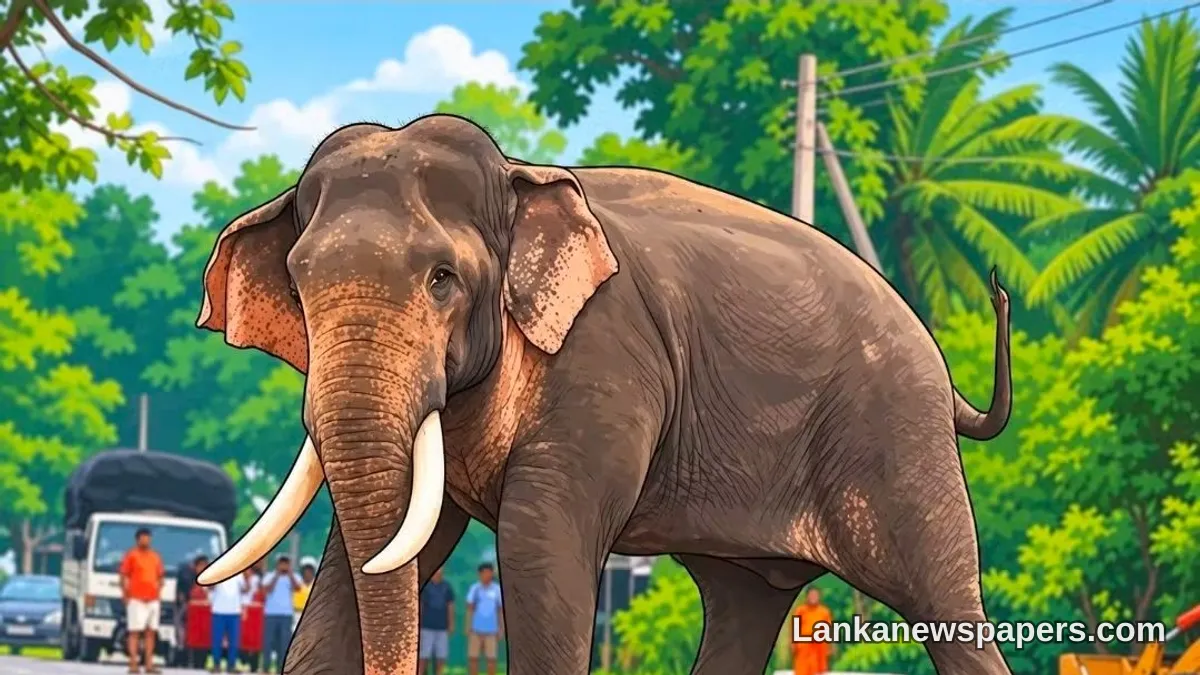
Sri Lanka Mourns the Loss of a Wild Elephant Icon
The death of Kavantissa, one of Sri Lanka's most celebrated wild tuskers, has sent shockwaves through conservation circles and the broader public, with serious questions remaining unanswered about who is responsible for the elephant's killing.
A Beloved Giant Lost
Kavantissa was no ordinary wild elephant. Widely recognised and admired across the island, the tusker had become a symbol of Sri Lanka's rich natural heritage. His imposing presence and magnificent tusks made him a favourite among wildlife enthusiasts, photographers, and conservationists who had followed his movements for years.
News of his death has prompted an outpouring of grief from the public, with many Sri Lankans taking to social media to express their sorrow and demand accountability.
Circumstances Remain Murky
Despite the public attention surrounding the case, the precise circumstances of Kavantissa's death remain unclear. Investigators have yet to confirm who pulled the trigger, and no arrests have been announced at this stage. The killing has reignited long-standing concerns about the safety of Sri Lanka's wild elephant population and the effectiveness of existing protections for these animals.
Conservation Community Demands Answers
Wildlife conservationists have called on authorities to launch a thorough and transparent investigation, warning that the failure to bring those responsible to justice could embolden others to target protected animals.
Sri Lanka's wild elephants face mounting threats from habitat loss, human-elephant conflict, and poaching — the death of Kavantissa underscores the urgent need for stronger enforcement of wildlife protection laws.
Human-Elephant Conflict a Growing Crisis
Sri Lanka is home to one of the largest populations of Asian elephants in the world, but the animals increasingly come into conflict with human settlements as their natural habitat shrinks. Both elephants and people lose their lives regularly in such encounters, creating a deeply complex challenge for authorities, local communities, and conservationists alike.
- Sri Lanka is estimated to have between 5,800 and 6,000 wild elephants
- Dozens of elephants are killed each year due to human-elephant conflict and illegal activity
- Wild tuskers are particularly vulnerable due to the value of ivory
A Case That Cannot Be Ignored
For many Sri Lankans, the death of Kavantissa is more than the loss of a single animal — it represents a failure to protect the country's natural treasures. Authorities are under mounting pressure to identify those responsible and ensure that justice is served, not only for Kavantissa, but as a decisive message that the killing of protected wildlife will not be tolerated.
The investigation is ongoing, and further developments are expected as wildlife officials and law enforcement continue their inquiries.



💬 Join the Discussion 3
See what readers are saying — and add your view.
These ppl always say "unanswered questions" but nobody ever gets caught
This is heartbreaking. Kavantissa was a national treasure, who did this
Exactly. And goverment still silent as usual, no surprise