China's Sungrow Powers Sri Lanka's Largest Utility-Scale Battery Energy Storage System for WKV
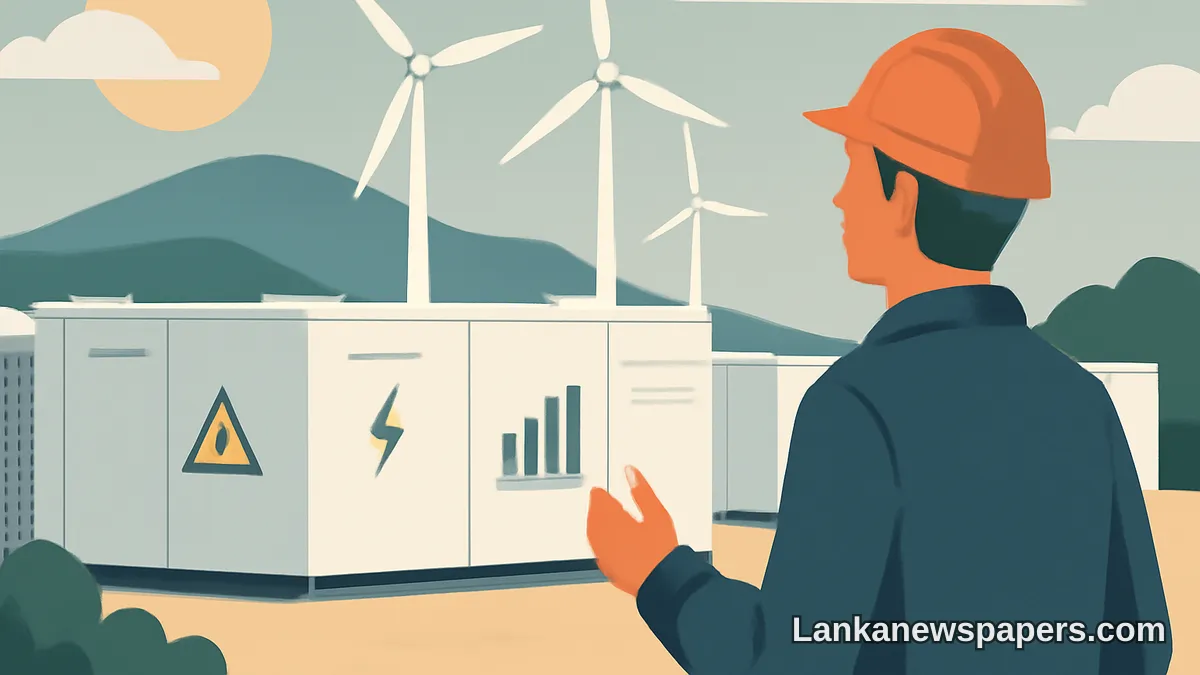
Sri Lanka has reached a significant milestone in its renewable energy journey, with Chinese clean energy giant Sungrow supplying the technology behind what is now the island's largest utility-scale Battery Energy Storage System (BESS), deployed in partnership with local energy company WKV.
A landmark step for Sri Lanka's energy sector
The project marks a turning point for Sri Lanka's power infrastructure, demonstrating the country's growing commitment to integrating large-scale energy storage solutions into its national grid. Utility-scale BESS technology allows excess electricity generated from renewable sources to be stored and dispatched when demand peaks, reducing reliance on costly fossil fuel-based generation.
Sungrow, a globally recognised leader in photovoltaic inverters and energy storage systems, provided the core technology for the installation, reinforcing its expanding footprint across South and Southeast Asian energy markets.
What the project means for Sri Lanka
For a nation that has grappled with prolonged power cuts and an overreliance on imported fuel for electricity generation, projects of this scale carry considerable strategic importance. Battery energy storage systems help stabilise grid frequency, improve reliability, and smooth out the intermittent nature of solar and wind power generation.
- The system represents the largest utility-scale BESS deployment in Sri Lanka to date
- WKV serves as the local project partner driving the installation forward
- Sungrow's technology forms the backbone of the storage infrastructure
Broader energy transition ambitions
Sri Lanka has set ambitious targets to transition toward renewable energy, aiming to achieve 70 percent renewable electricity generation by 2030. Large-scale battery storage is considered a critical enabler of that goal, allowing the grid to absorb higher volumes of solar and wind power without compromising stability.
Utility-scale battery storage is no longer a future concept for Sri Lanka — it is becoming a present-day reality, and projects like this one signal that the country is moving decisively in the right direction.
The successful commissioning of this facility is expected to encourage further investment in grid-scale storage across the country, as both state and private sector energy stakeholders look to modernise Sri Lanka's power infrastructure and reduce the economic burden of fuel imports.
Sungrow's involvement also underscores the increasingly prominent role that Chinese clean energy firms are playing in powering Sri Lanka's transition away from fossil fuels, a trend likely to continue as the country pursues international financing and partnerships for its energy sector reforms.



💬 Join the Discussion 0
Be the first to share your view on this story.