Desperate for Water: Sri Lanka's Farmers and Wildlife Battle Worsening Drought Crisis
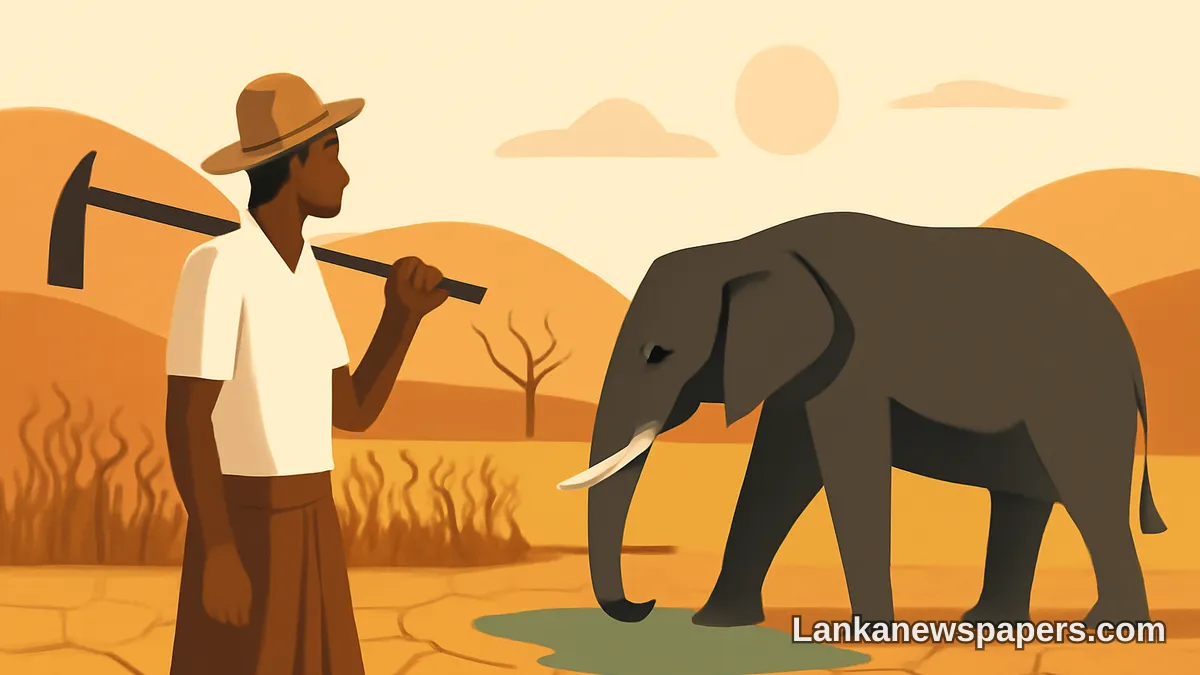
Across drought-stricken regions of Sri Lanka, a quiet crisis is unfolding — one that is draining wells dry, withering crops, and pushing both people and wildlife to the edge of survival as water sources shrink at an alarming rate.
Wells Running Dry
Farmers in affected areas are watching helplessly as the wells they have depended on for generations steadily lose water. What were once reliable sources of irrigation and drinking water have been reduced to cracked earth and shallow puddles, leaving agricultural communities scrambling to find alternatives and fearing for the survival of their livelihoods.
The situation is particularly dire for smallholder farmers, who lack the resources to sink deeper bore wells or invest in alternative water infrastructure. Many are being forced to abandon cultivation altogether, raising concerns about food security and rural incomes in already vulnerable communities.
Wildlife Under Pressure
The drought is not only affecting human populations. Wildlife across Sri Lanka's dry zone is also feeling the strain, with animals converging in growing numbers around the few remaining water holes that have not yet dried up. These shrinking gathering points are creating unusual and potentially dangerous concentrations of wildlife, as elephants, deer, and other species compete for access to increasingly scarce water.
Conservationists warn that such conditions heighten the risk of human-wildlife conflict, as desperate animals venture closer to villages and farmland in search of water and food.
A Deepening Climate Challenge
The unfolding drought is being viewed by many experts as a stark reflection of the broader climate challenges facing Sri Lanka. Erratic rainfall patterns, prolonged dry spells, and rising temperatures are combining to place extraordinary stress on the island's water resources.
- Agricultural output in affected districts is under serious threat
- Rural communities face acute shortages of clean drinking water
- Wildlife habitats are being degraded as natural water sources disappear
- Human-wildlife conflict risks are escalating in border communities
Calls for Urgent Action
With conditions showing little sign of immediate improvement, there are growing calls for the government and relevant authorities to accelerate relief measures for affected farming communities and to implement longer-term strategies for water conservation and drought resilience across the country's most vulnerable regions.
The scenes unfolding in Sri Lanka's drought-hit areas serve as a sobering reminder of how climate change is reshaping life for ordinary people and the natural world alike — and of the urgent need for sustainable solutions before the crisis deepens further.


💬 Join the Discussion 0
Be the first to share your view on this story.