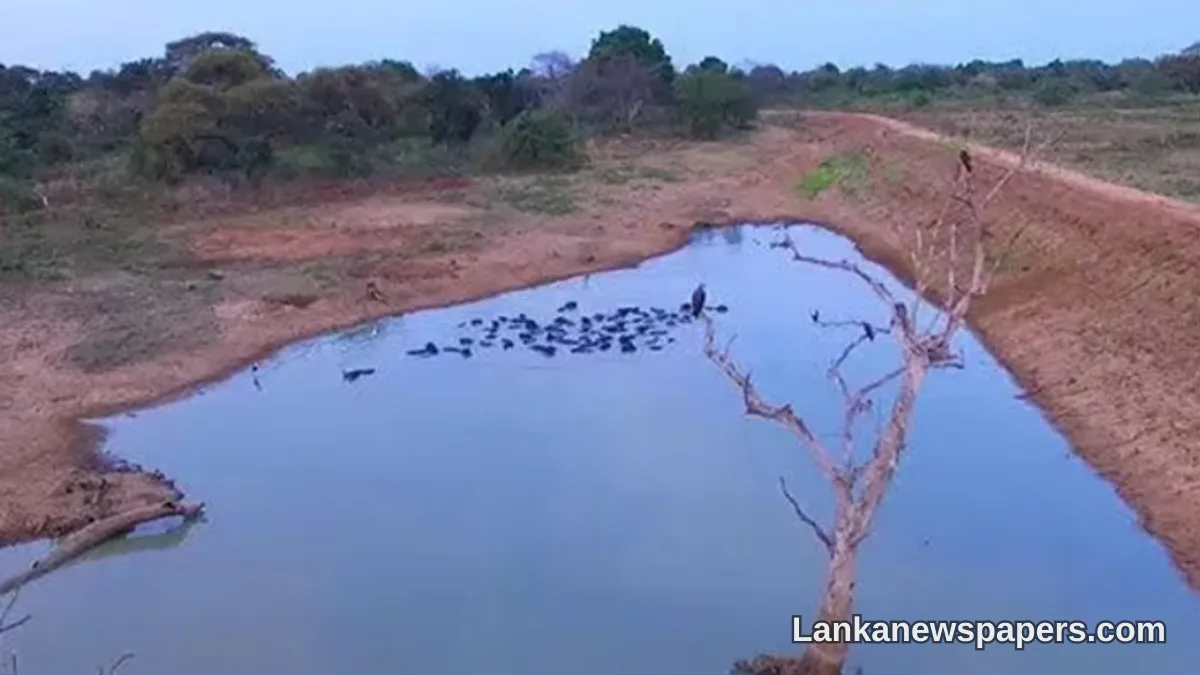
Sri Lanka's 74 major reservoirs have collectively dropped to just 36% of their total storage capacity, raising concerns among water resource authorities and agricultural planners as the dry season tightens its grip on parts of the island.
Wet Zone Holds Steady, Dry Zone Under Pressure
While reservoirs located in the wet zone continue to maintain relatively stable water levels, those situated in the dry zone are experiencing a more pronounced decline. The disparity highlights the uneven distribution of rainfall across the island and the particular vulnerability of dry zone communities and farmlands to seasonal water shortages.
The dry zone, which is home to a significant portion of Sri Lanka's paddy cultivation and depends heavily on reservoir-fed irrigation systems, faces the greatest risk as storage levels continue to fall.
Implications for Agriculture and Daily Life
The drop in reservoir capacity comes at a critical time for the country's farming sector. Irrigation-dependent agriculture, particularly in the North Central, Northern, and Eastern provinces, relies on consistent water availability to sustain cultivation cycles. A prolonged shortfall could affect the upcoming growing season and threaten food production targets.
- 74 major reservoirs across the island are currently monitored for capacity levels
- Overall storage has fallen to approximately 36% of maximum capacity
- Wet zone reservoirs remain comparatively stable
- Dry zone reservoirs are recording more significant declines
Authorities Urged to Act Early
Water resource and irrigation officials are being urged to implement precautionary measures, including the prioritisation of water releases for essential agricultural use and the careful management of remaining reserves. Early intervention is considered vital to minimising the impact on both farming communities and households dependent on reservoir supplies.
Sri Lanka has in previous years faced severe agricultural disruptions during periods of low reservoir storage, underscoring the importance of proactive water management strategies in the face of shifting weather patterns and growing demand.
Citizens and farmers in affected regions are advised to use water resources responsibly as authorities continue to monitor developments closely.



💬 Join the Discussion 2
See what readers are saying — and add your view.
dry zone ppl always suffering like this, goverment does nothing
exactly, same story every year no? nothing changes