Sri Lanka's All-Time Heat Record Could Fall by 2027, Warn Climate Scientists
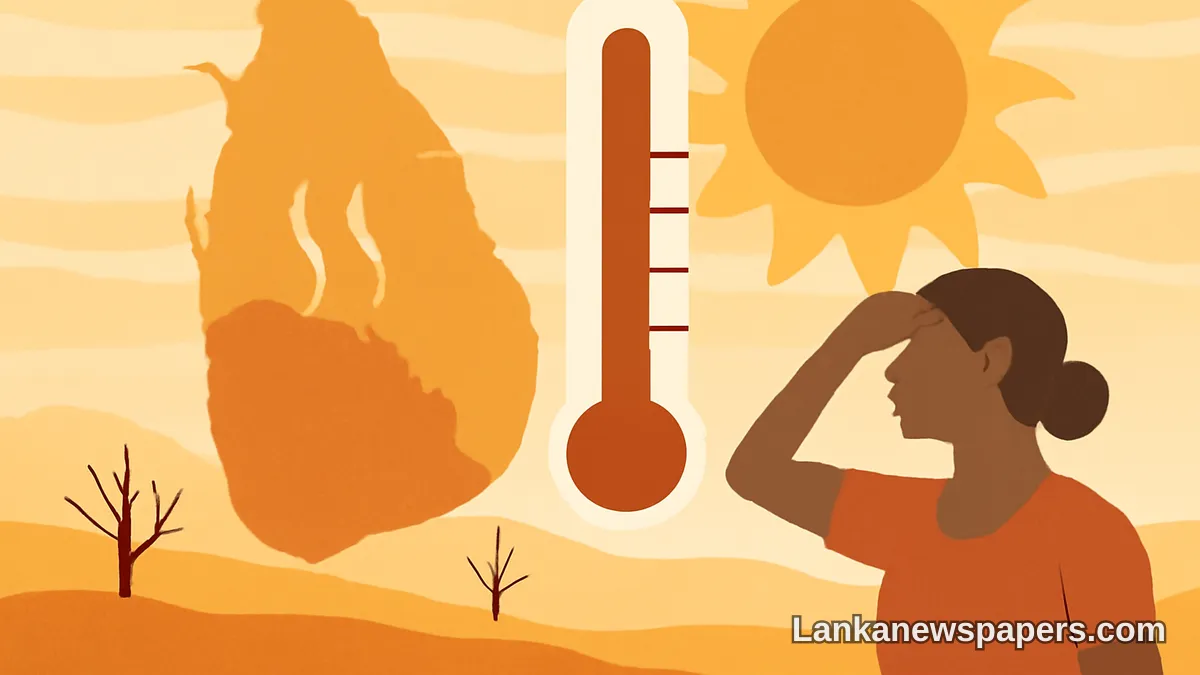
Sri Lanka may be on the verge of shattering its highest-ever recorded temperature, with climate experts warning that the island nation could experience temperatures reaching 40 degrees Celsius as early as 2027 — a threshold that would surpass a record that has stood for over four decades.
A Record That Has Held Since 1983
Sri Lanka's current all-time temperature record was set in 1983, a benchmark that has endured through decades of shifting weather patterns and seasonal extremes. However, accelerating climate change and rising global temperatures are now placing that historic mark under serious threat, according to meteorological analysts and climate researchers monitoring conditions across South Asia.
The 40°C Milestone
Reaching 40 degrees Celsius would represent a landmark moment in Sri Lanka's recorded climate history. Such a figure is not merely a number — it signals a fundamental shift in the thermal conditions that millions of Sri Lankans experience daily. Agricultural communities, outdoor workers, the elderly, and vulnerable populations in urban centres would face heightened risks if such extreme heat were to materialise.
Climate Change Driving the Trend
Scientists point to a combination of factors intensifying heat across the Indian Ocean region, including rising greenhouse gas emissions, urban heat island effects in cities such as Colombo, and disrupted monsoon patterns. Sri Lanka, situated close to the equator, is particularly susceptible to these compounding pressures.
- Global average temperatures have risen significantly over the past century, with the pace accelerating in recent decades
- South Asian nations are among the most vulnerable to extreme heat events
- Urban expansion in Sri Lanka reduces natural cooling effects from vegetation and open land
- Irregular rainfall patterns are contributing to prolonged dry spells and hotter conditions
What This Means for Sri Lankans
Beyond the symbolic breaking of a record, sustained extreme heat poses concrete dangers to public health, food security, and economic productivity. Heat stress can devastate paddy and other agricultural yields, strain already pressured water resources, and lead to increased incidences of heat-related illness across the country.
Climate projections suggest that extreme temperature events once considered rare may become increasingly routine across South Asia within the coming decade if current emission trends continue.
A Call for Preparedness
Meteorologists and public health advocates are urging authorities to treat the 2027 projection as a serious planning horizon rather than a distant possibility. Early warning systems, community cooling centres, revised agricultural guidance, and stronger climate adaptation policies are among the measures being discussed as Sri Lanka confronts what may be a new era of intensifying heat.
Whether or not the 40°C mark is reached in 2027, the broader trend is clear — Sri Lanka is getting hotter, and the systems built to protect its people and economy must evolve accordingly.



💬 Join the Discussion 0
Be the first to share your view on this story.