Indian Surgeon Performs Sri Lanka's First Live Robotic Surgery in Landmark Medical Achievement
Groundbreaking Procedure Marks a New Era for Sri Lankan Healthcare
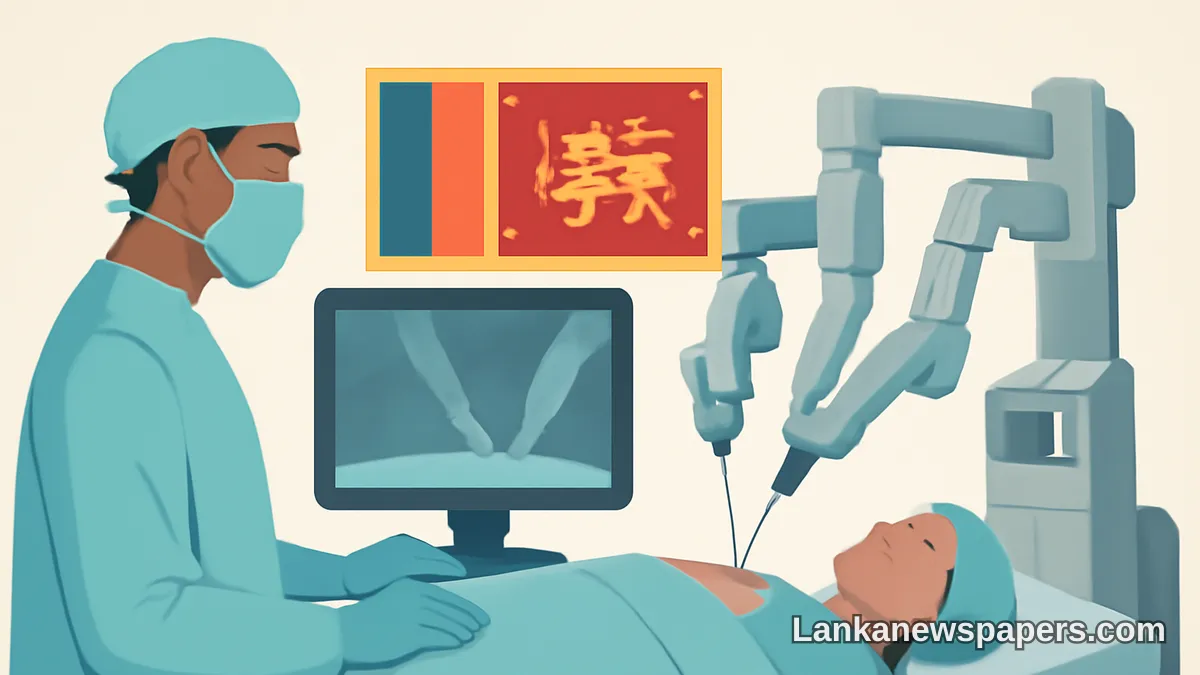
Sri Lanka has reached a significant milestone in its medical history after a senior surgeon from Guwahati, India, performed the country's first live robotic surgery on local soil, marking a transformative moment for the island nation's healthcare sector.
Pioneering Operation Sets a Historic Precedent
The visiting surgeon, based in Guwahati, led a team in carrying out the landmark procedure, which included Sri Lanka's first robot-assisted gallbladder surgery. The operation was conducted using advanced robotic surgical technology, a domain that has rapidly transformed modern medicine across the world but had yet to be demonstrated live in Sri Lanka until now.
Robotic surgery offers numerous advantages over conventional surgical methods, including greater precision, smaller incisions, reduced risk of infection, and significantly faster recovery times for patients. The successful completion of this procedure signals that Sri Lanka is now stepping into a new frontier of surgical excellence.
A Milestone for Medical Collaboration
The achievement underscores the growing importance of international medical collaboration, particularly between Sri Lanka and India. By inviting an experienced robotic surgeon to perform and demonstrate these advanced techniques locally, Sri Lankan medical professionals have gained invaluable exposure to cutting-edge surgical practices that could soon be adopted more widely across the country's hospitals.
Medical professionals and health officials have welcomed the development as a major leap forward, expressing hope that robotic surgical capabilities will be expanded and made more accessible to Sri Lankan patients in the years ahead.
What This Means for Sri Lankan Patients
For ordinary Sri Lankans, the introduction of live robotic surgery opens the door to world-class medical treatment closer to home. Among the key benefits that robotic-assisted procedures offer patients are:
- Minimally invasive techniques that reduce surgical trauma
- Lower risk of post-operative complications
- Shorter hospital stays and quicker recovery periods
- Enhanced surgical accuracy and outcomes
This historic procedure is widely expected to inspire further investment in advanced medical technology within Sri Lanka, potentially reducing the need for patients to travel abroad for complex surgical treatments.
The successful conduct of Sri Lanka's first live robotic surgery represents not only a triumph of modern medicine but also a powerful statement about the country's ambition to elevate its healthcare standards to match the best in the region.
As Sri Lanka continues its journey toward healthcare modernisation, this landmark operation is being hailed by the medical community as a defining moment — one that could shape the future of surgery in the country for generations to come.



💬 Join the Discussion 3
See what readers are saying — and add your view.
actually good news. first is first, doesnt matter where the doctor is from
why we need Indian doctor for this? no local surgeon capable or what?
its not about capable men, its about who has the experience with the machine first time na