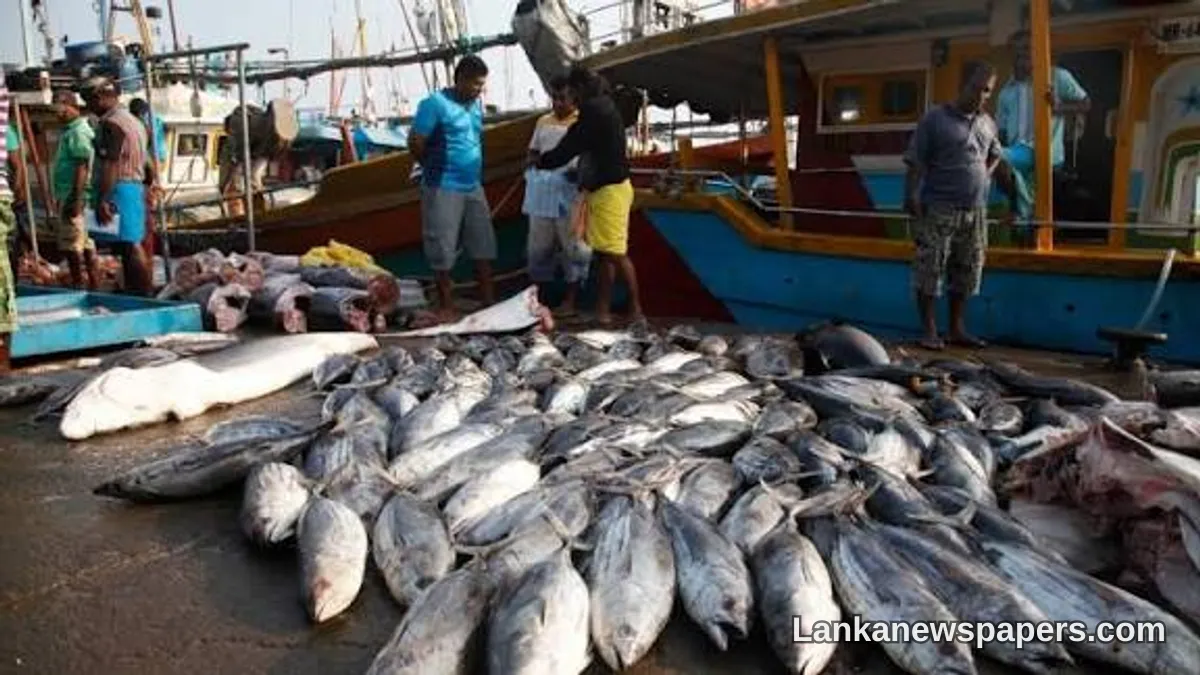
Sri Lanka's total fish harvest has been on a steady downward trajectory since 2014, raising serious concerns about the long-term sustainability of the island's fishing industry, according to findings from the National Aquatic Resources Research and Development Agency (NARA).
A Troubling Trend for the Fishing Sector
NARA, the country's primary body responsible for aquatic research and development, has flagged the gradual decline in fish catches as a worrying sign for both the economy and food security. The trend, which has persisted for roughly a decade, points to mounting pressures on Sri Lanka's marine and inland water ecosystems.
The fishing industry plays a vital role in the Sri Lankan economy, providing livelihoods for hundreds of thousands of families along the island's coastline and inland waterways. A sustained fall in harvest volumes threatens not only those livelihoods but also the country's ability to meet domestic demand for fish, a staple protein source for millions of Sri Lankans.
What Could Be Behind the Decline?
While NARA has highlighted the decline, experts point to a range of factors that may be contributing to falling catch volumes over the years, including:
- Overfishing and unsustainable harvesting practices in coastal and offshore waters
- Environmental degradation and pollution affecting marine habitats
- The impact of climate change on ocean temperatures and fish migration patterns
- Reduced fishing activity during periods of economic hardship, including fuel shortages experienced during Sri Lanka's recent economic crisis
A Call for Urgent Action
The data from NARA underscores the urgent need for policymakers to revisit fisheries management strategies and invest in conservation efforts to reverse the declining trend. Sustainable fishing practices, stricter regulation of harvest quotas, and the restoration of degraded aquatic habitats are among the measures widely recommended by marine scientists and industry stakeholders.
Sri Lanka's fish harvest has been gradually declining since 2014, according to the National Aquatic Resources Research and Development Agency.
As Sri Lanka continues its efforts to stabilise and rebuild its economy, the health of its fishing sector will remain a critical indicator of both environmental and economic wellbeing. Authorities and industry leaders alike are being urged to treat the NARA findings as a wake-up call and act decisively before the decline becomes irreversible.



💬 Join the Discussion 1
See what readers are saying — and add your view.
same goverment, same excuses. nothing will change machan.