Sri Lanka Reclaims Upper-Middle-Income Status After Three Years of Economic Crisis
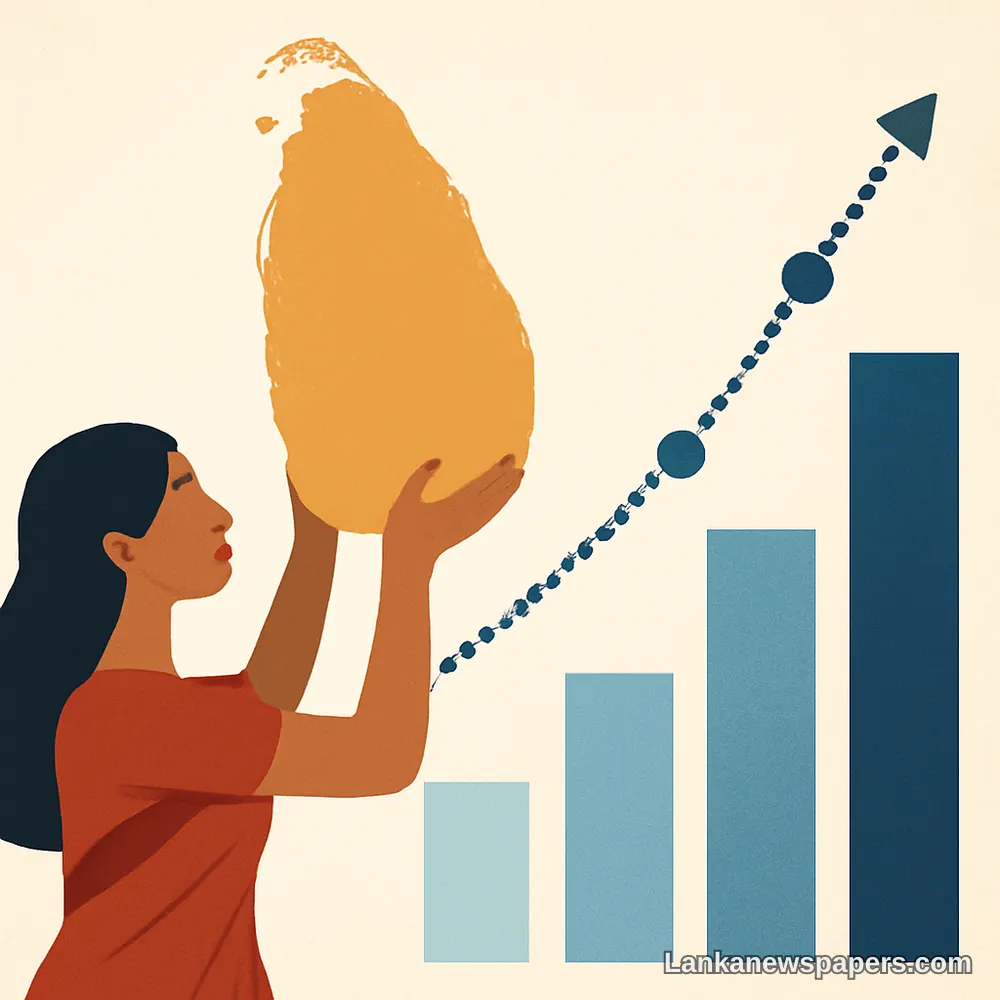
Sri Lanka has officially regained its upper-middle-income country status, marking a significant milestone in the island nation's recovery from one of the worst economic crises in its post-independence history.
A Hard-Fought Return to Stability
The reclassification signals that Sri Lanka has climbed back to the income threshold it previously held before the devastating economic collapse that began in 2022. The crisis, which was triggered by a severe foreign exchange shortage, skyrocketing inflation, and crippling fuel and medicine scarcities, pushed millions of Sri Lankans into hardship and led to unprecedented political upheaval, including the ousting of then-President Gotabaya Rajapaksa.
For three consecutive years, the country was classified as a lower-middle-income economy — a designation that carried both symbolic and practical consequences, affecting the terms on which Sri Lanka could access international financing and development assistance.
What the Reclassification Means
Being recognised once again as an upper-middle-income nation reflects measurable improvements in Sri Lanka's gross national income per capita. The recovery has been underpinned by several key developments, including:
- A landmark debt restructuring agreement reached with bilateral and commercial creditors
- An International Monetary Fund bailout programme that imposed strict fiscal discipline
- A gradual rebuilding of foreign exchange reserves
- Easing of inflation and stabilisation of the Sri Lankan rupee
Cautious Optimism Among Analysts
While the reclassification is a welcome indicator of progress, economists caution that the benefits of recovery have yet to be felt evenly across all segments of Sri Lankan society, with poverty levels and the cost of living remaining pressing concerns for many households.
Policymakers and development experts have noted that sustaining this status will require continued structural reforms, improvements in revenue collection, and efforts to attract foreign investment and boost export earnings.
A Nation Looking Forward
For Sri Lankans who endured hours-long queues for fuel, power cuts lasting more than twelve hours a day, and empty supermarket shelves, the news represents a degree of vindication for the painful austerity measures that were implemented as part of the recovery plan.
The government has welcomed the reclassification as evidence that the country's reform programme is delivering results, while pledging to continue working towards broader economic resilience and long-term growth. Sri Lanka's journey back to upper-middle-income status, though hard-won, is being viewed across the region as a notable example of economic turnaround from the brink of collapse.


💬 Join the Discussion 4
See what readers are saying — and add your view.
goverment will use this to say they fixed everything before election
better than Bangladesh at least, they are in big trouble now
on paper only la, my life still same same
exactly, prices didnt come down no?