Dayasiri Raises Alarm Over Anti-Corruption Remand Law, Warns Against Political Use of Criminal Justice
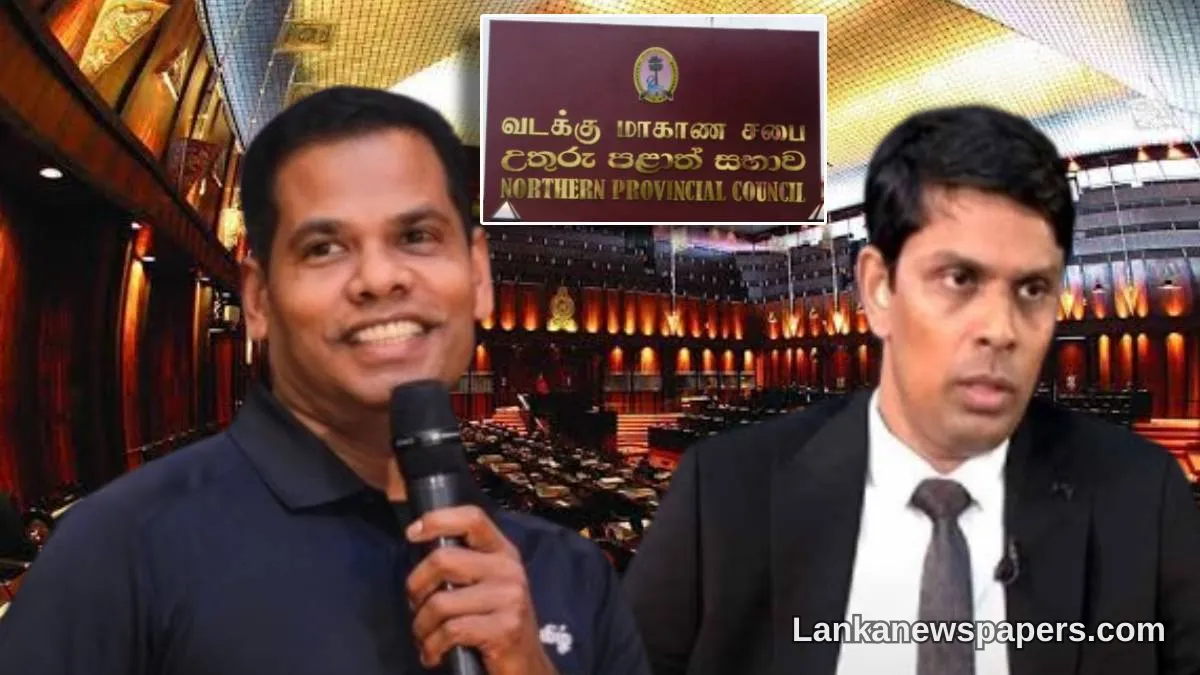
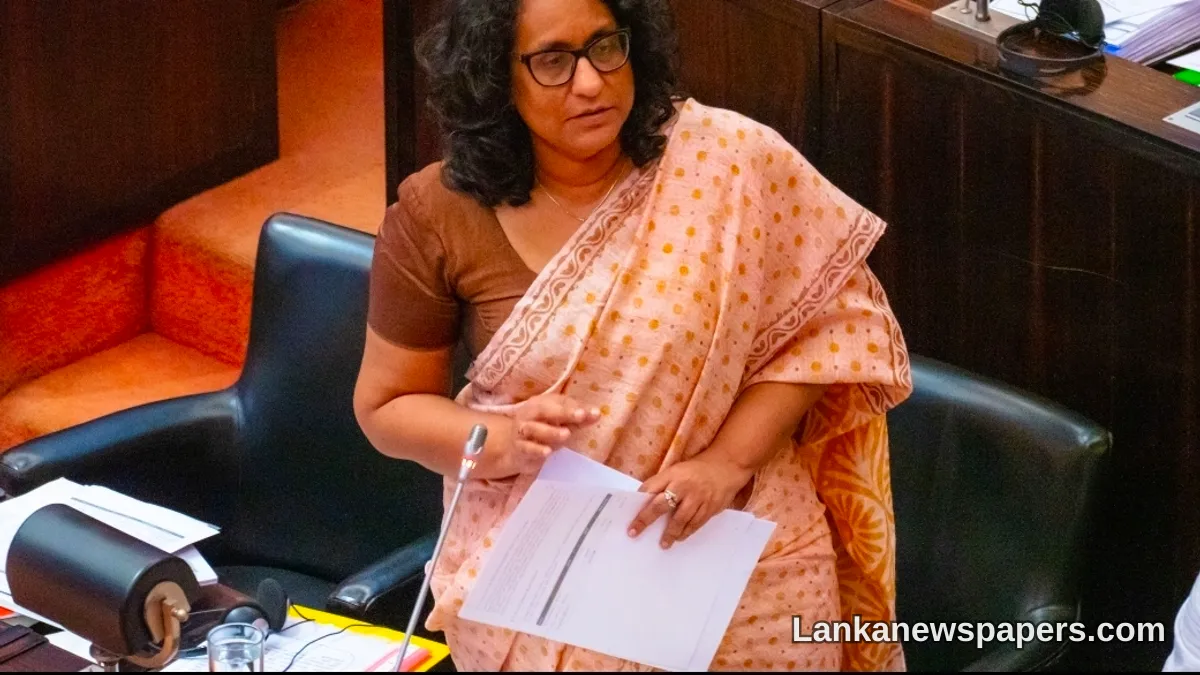
Opposition MP Dayasiri Jayasekara has mounted a pointed challenge in Parliament against mandatory remand provisions contained in the Anti-Corruption Act, warning that the law could be exploited to sideline political rivals and undermine judicial independence.
Jayasekara, a practising lawyer, directed his remarks at Section 149 of the Anti-Corruption Act, which was enacted in 2023. The provision allows for the remand of suspects in certain bribery-related offences when a certificate issued by the Director-General of the Commission to Investigate Allegations of Bribery or Corruption (CIABOC) is presented to court, with bail permitted only under exceptional circumstances.
At the heart of his argument was the question of whether magistrates retain sufficient discretion to scrutinise the grounds for detention once such a certificate is placed before them. Referencing proceedings involving fellow Opposition MP Namal Rajapaksa, Jayasekara noted that the Fort Magistrate had sought clarification in September as to whether the CIABOC Director-General had in fact submitted the requisite certificate in the relevant case.
He questioned whether suspects were being afforded a genuine opportunity to challenge the factual basis of those certificates, cautioning that extended periods of remand could cause serious harm to individuals and their families — particularly in cases where the accused was ultimately acquitted.
"An honest investigation follows the evidence, wherever it leads and whoever may be implicated," Jayasekara told Parliament.
Invoking Article 13(5) of the Constitution, he insisted that the presumption of innocence must be robustly upheld, and that criminal investigations must be driven by evidence rather than political motives.
Calls for Transparency and Parliamentary Oversight
Jayasekara urged the Justice Minister to provide Parliament with concrete data on the application of Section 149, including:
- The number of certificates issued under the provision each year
- The cumulative period suspects have spent in remand under it
- The number of cases that have ultimately proceeded to trial
He stressed that Parliament had an obligation to examine the practical consequences of the provision, while being careful not to interfere with matters currently before the courts.
Judicial Independence and Bench Appointments
Jayasekara also raised broader concerns about the state of the judiciary. He questioned the decision under the 22nd Amendment to extend the retirement ages of sitting Supreme Court and Court of Appeal judges, arguing that such changes would have been more appropriate if applied only to future appointments rather than those already on the bench.
He further called for greater transparency in how judicial benches are assigned in politically sensitive cases, saying that publishing clear principles governing bench composition would go a long way towards strengthening public trust in the justice system.
A Warning Drawn from History
Drawing on historical precedent, Jayasekara invoked the landmark 1937 Mark Bracegirdle case, in which Sri Lanka's judiciary stood up to the colonial administration by challenging a deportation order and securing Bracegirdle's release — an example, he said, of the courts' capacity to act as a check on executive power.
He also recalled the decision by the J.R. Jayewardene administration in 1980 to strip former Prime Minister Sirimavo Bandaranaike of her civic rights, effectively barring her from contesting the 1982 presidential election. Drawing a direct parallel to the present, he cautioned the Government against deploying criminal law as a tool to remove opponents from the electoral arena.
"If you use the criminal law to put an opponent out of the electoral contest, you are doing to that opponent what J.R. did to Sirimavo," he said.
Urging the Government to meet its opponents at the ballot box rather than in the courts, Jayasekara delivered a final pointed reminder of Bandaranaike's eventual return to the Prime Ministership in 1994.
"Have the courage to face your opponents at the polls. Leave the choice to the people. Do not forget, Honourable Speaker — Sirimavo had the last laugh," he said.

💬 Join the Discussion 2
See what readers are saying — and add your view.
He himself got accused before, now suddenly worried about the law. Classic.
Exactly. When it was others getting caught he was quiet no?