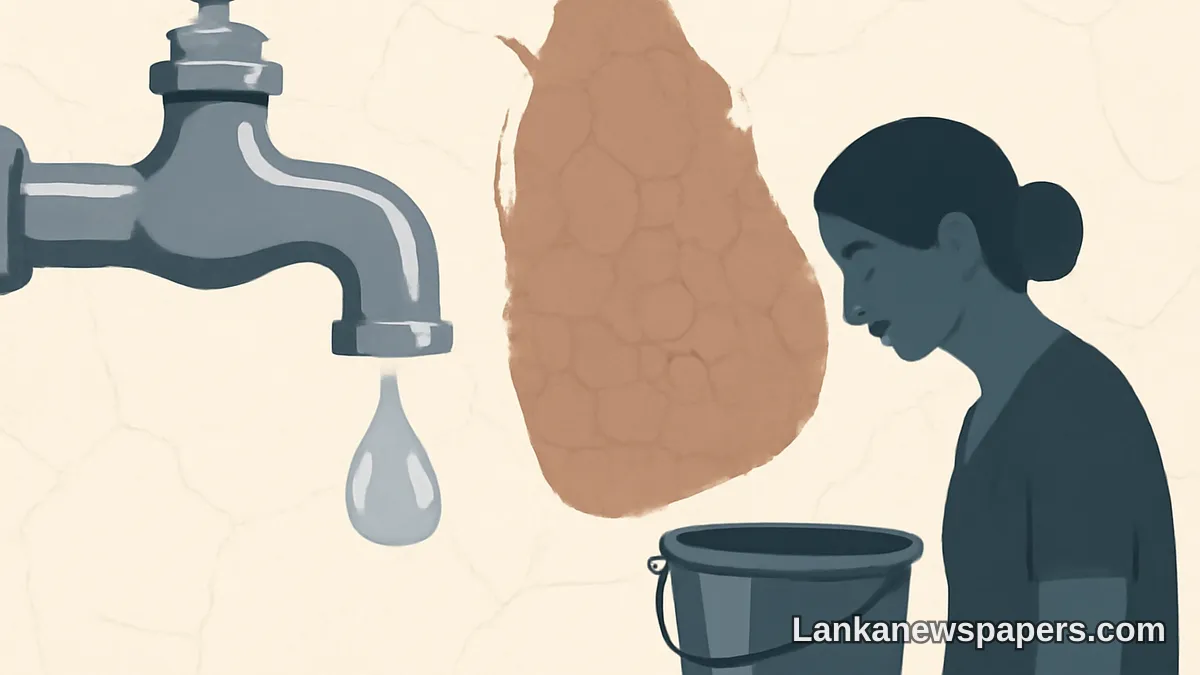
Island Nation Grapples With Severe Water Shortages
Sri Lanka is facing an increasingly severe water crisis, with shortages worsening across the island and placing mounting pressure on communities, agriculture, and essential services alike.
The water scarcity situation, which has been building over recent months, is now deepening to a point where authorities and residents alike are being forced to confront difficult realities about the country's water security and long-term sustainability.
A Crisis With Many Causes
Experts point to a combination of factors driving the deteriorating situation. Erratic rainfall patterns linked to climate change, ageing and poorly maintained water infrastructure, rapid urbanisation, and increasing demand from both domestic and agricultural sectors have collectively stretched the island's water resources to a critical point.
Reservoirs and water bodies that communities have historically depended upon are reportedly struggling to maintain adequate levels, raising concerns about the ability to meet day-to-day needs across various parts of the country.
Impact on Daily Life and Agriculture
For ordinary Sri Lankans, the crisis is translating into very real hardships. Households in affected areas are experiencing disrupted or severely limited water supplies, forcing families to seek alternative sources or manage with rationed quantities.
The agricultural sector, which remains a cornerstone of the Sri Lankan economy and the livelihoods of a significant portion of the population, faces particular risks. Reduced water availability threatens crop yields and food security, adding another layer of concern to an economy still recovering from recent turbulent years.
- Domestic water supplies are being disrupted in multiple regions
- Agricultural irrigation is under strain, threatening crop production
- Ageing water infrastructure is compounding distribution challenges
- Climate-driven rainfall unpredictability is reducing natural replenishment
Calls for Urgent Action
The deepening crisis has renewed calls for urgent government intervention and long-term policy reform. Water management specialists and environmental advocates have stressed the need for investment in modern water infrastructure, improved conservation measures, and robust national strategies to tackle the growing challenge before it reaches irreversible levels.
Sri Lanka must treat water security as a national priority, implementing both immediate relief measures and forward-looking policies to safeguard this vital resource for future generations.
As the situation continues to evolve, authorities are under growing pressure to provide clear answers and concrete action plans to address what is fast becoming one of the most pressing environmental and humanitarian concerns facing the country today.



💬 Join the Discussion 3
See what readers are saying — and add your view.
my area no water since 3 days already, not news to us
this was coming for years, nobody listened
exactly, goverment just ignored all the warnings