Global Torture Watchdog Flags Serious Concerns Over Sri Lanka's Proposed Anti-Terror Legislation
International Human Rights Body Speaks Out
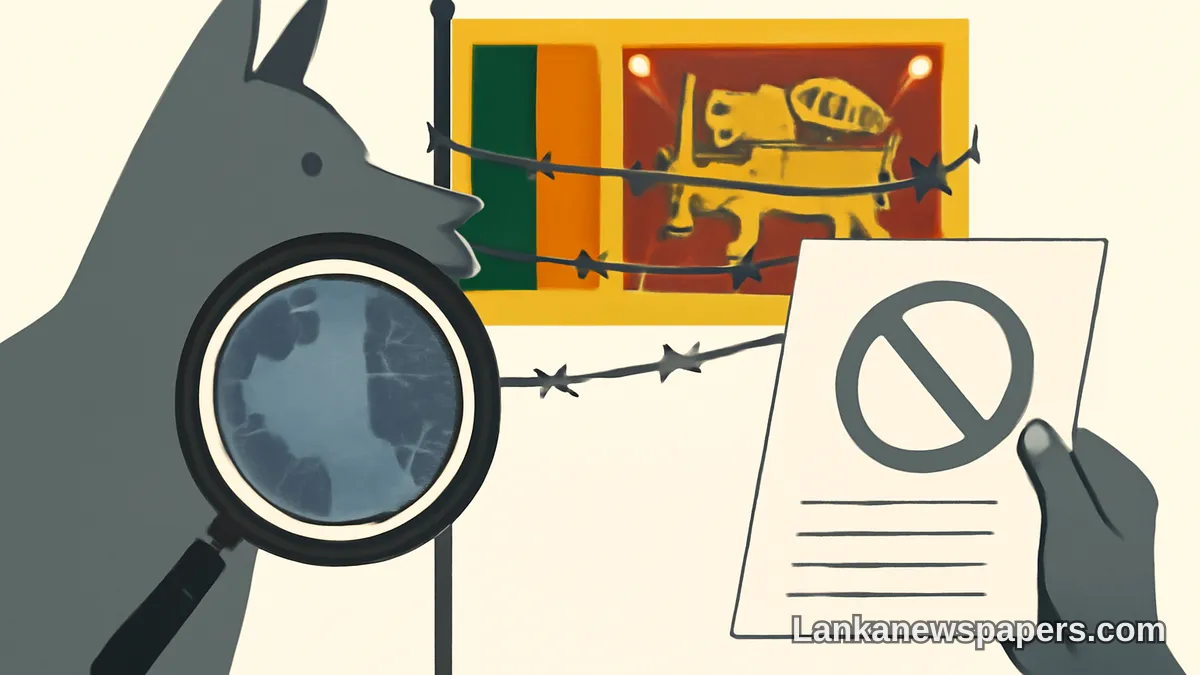
The World Organisation Against Torture (OMCT) has voiced significant concerns regarding Sri Lanka's proposed Anti-Terror Law, raising questions about its compatibility with international human rights standards and the potential risks it poses to civil liberties within the island nation.
What Is Being Proposed?
Sri Lanka's government has been working to introduce new counter-terrorism legislation, positioning it as a replacement for the widely criticised Prevention of Terrorism Act (PTA), which has long been condemned by rights advocates for enabling prolonged detention and abuse. However, critics argue that the new proposed law may replicate or even extend some of the same problematic provisions found in its predecessor.
OMCT's Key Concerns
The Geneva-based organisation, which monitors and campaigns against torture and cruel treatment globally, has highlighted several areas of concern with the draft legislation. Among the issues flagged are:
- Overly broad definitions of terrorism that could be misused to target journalists, activists, and political dissidents
- Provisions that may allow for extended detention without sufficient judicial oversight
- Inadequate safeguards against torture and ill-treatment of suspects held under the law
- The potential suppression of freedom of expression, assembly, and association
A Pattern of Concern
Sri Lanka has faced sustained international scrutiny over its human rights record, particularly in relation to how security legislation has been applied in the years following the end of the civil war in 2009. Human rights organisations have repeatedly documented cases of individuals — including minority Tamil and Muslim community members — being detained for prolonged periods under the PTA without trial.
The OMCT's intervention underscores the growing international pressure on Colombo to ensure that any new anti-terror framework genuinely upholds fundamental rights rather than simply repackaging existing repressive measures under a new name.
Government's Position
Sri Lankan authorities have maintained that updated counter-terrorism legislation is necessary to address evolving security threats and to bring the country's legal framework in line with modern standards. Officials have previously indicated that the new law would incorporate stronger human rights protections compared to the PTA, though civil society groups both locally and internationally remain unconvinced.
Calls for Meaningful Reform
The OMCT has urged Sri Lankan lawmakers to engage in genuine, inclusive consultation with civil society, legal experts, and affected communities before advancing the legislation. The organisation has called for any final law to strictly conform to Sri Lanka's obligations under international human rights treaties to which it is a signatory.
As Sri Lanka continues to navigate pressure from international partners and human rights bodies, the fate of the proposed Anti-Terror Law is expected to remain a closely watched issue both domestically and on the global stage.


💬 Join the Discussion 1
See what readers are saying — and add your view.
these foreign orgs always have something to say about our country only