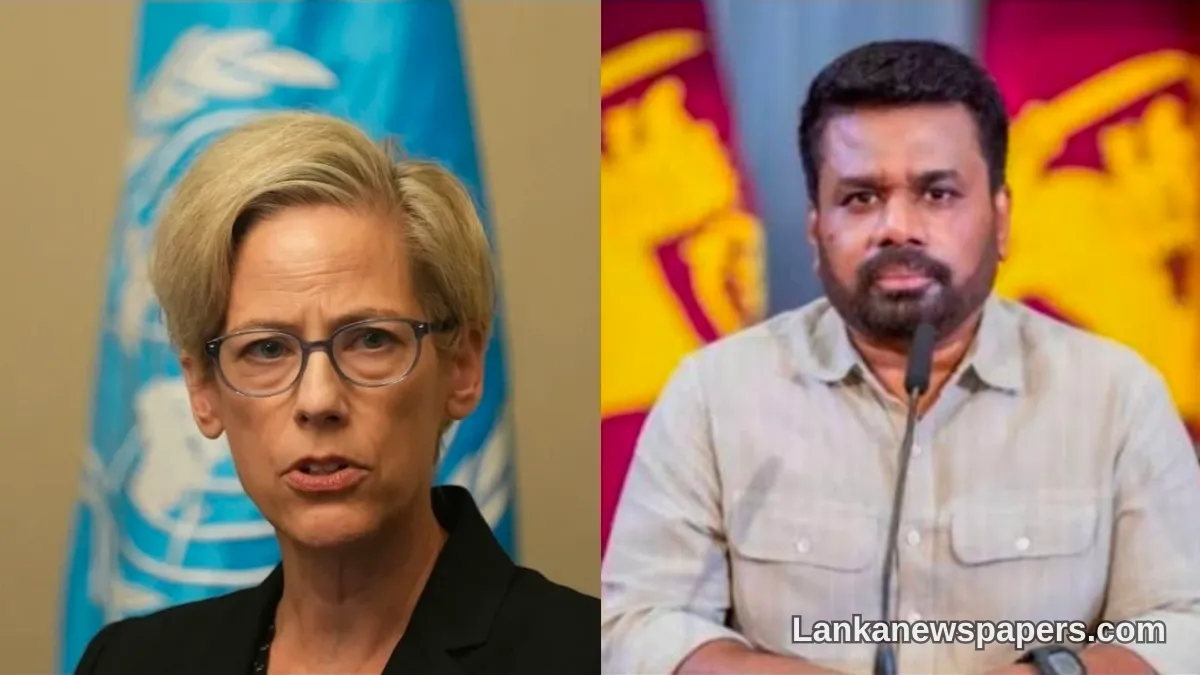
The United Nations Special Rapporteur on the independence of judges and lawyers has raised serious concerns about a proposed constitutional amendment in Sri Lanka that would extend the tenure of sitting judges, warning that the move could undermine the independence of the country's judiciary.
A Red Flag from the United Nations
The UN's top independent expert on judicial independence has flagged the proposed legislative change as a potential threat to the separation of powers and the impartiality of Sri Lanka's courts. The Rapporteur's intervention signals growing international scrutiny over the island nation's judicial reforms at a time when the country is still navigating a fragile recovery following its worst economic crisis in decades.
Such an extension, critics argue, risks creating a situation where sitting judges may feel beholden to the government that facilitated the prolongation of their service, thereby compromising their ability to adjudicate independently and without fear or favour.
Why Judicial Independence Matters
An independent judiciary is widely regarded as a cornerstone of democratic governance. Any perception that judges owe their continued tenure to political decisions made by the executive or legislature can erode public trust in the courts and weaken the rule of law — a concern particularly relevant in Sri Lanka, where the public has in recent years expressed deep frustration over governance failures.
- The proposed amendment seeks to alter existing constitutional provisions governing the terms of sitting judges.
- The UN Special Rapporteur has called on Sri Lankan authorities to ensure that any reforms comply with international standards on judicial independence.
- Legal experts and civil society groups within the country have echoed concerns about the implications of such a change.
International Standards Under the Spotlight
Under internationally recognised principles, judicial tenure should be clearly established by law prior to a judge's appointment and should not be subject to alteration during their time in office. Retroactive changes to tenure arrangements are widely considered incompatible with the guarantees required to safeguard judicial independence.
The UN Special Rapporteur has urged Sri Lanka to consult broadly with the legal community and civil society before proceeding with any constitutional changes affecting the bench.
Government Yet to Respond Formally
As of the time of reporting, the Sri Lankan government had not issued a formal public response to the UN Rapporteur's concerns. The proposed constitutional amendment has, however, already sparked debate among legal professionals, opposition politicians, and rights advocates who are closely watching how the administration proceeds.
With Sri Lanka seeking to rebuild its international credibility and strengthen institutional governance as part of its broader economic recovery efforts, observers note that addressing these concerns transparently will be critical to maintaining the confidence of both domestic stakeholders and the international community.



💬 Join the Discussion 2
See what readers are saying — and add your view.
UN poke nose in everything, but yes goverment shouldnt extend tenure like this
exactly, independence of judiciary means something no?