Sri Lanka Freezes Fuel Prices for the Month, Absorbs Diesel Losses Amid Global Market Turbulence
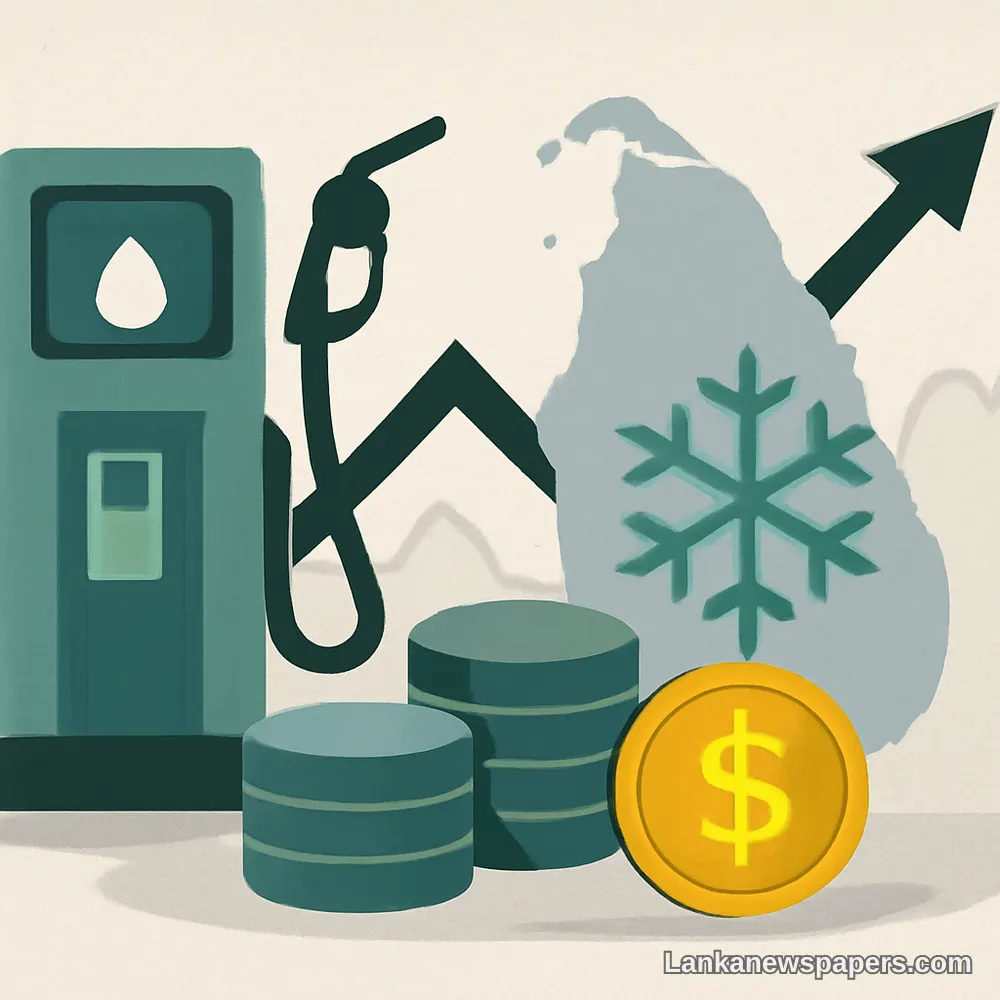
Sri Lanka has opted to maintain its domestic fuel prices at current levels for the coming month, with authorities choosing to absorb mounting losses on diesel even as global conflicts and shipping disruptions continue to push international energy costs higher.
Government Holds the Line on Prices
The decision was announced at a media briefing by Ceylon Petroleum Corporation (CPC), signalling a deliberate policy choice to shield Sri Lankan consumers from the volatility gripping global energy markets. Despite the financial burden this places on the state energy supplier, officials indicated that stability at the pump remained a priority.
Diesel Takes the Hardest Hit
Among the fuel types, diesel has emerged as the most financially strained product under the current pricing structure. The gap between the cost of procuring diesel on international markets and its domestic selling price has widened considerably, meaning the state is effectively subsidising the difference — a situation that puts renewed pressure on public finances.
Global Factors Driving Up Costs
Several interconnected global developments are being cited as the primary drivers behind the surge in energy costs:
- Ongoing geopolitical conflicts disrupting oil supply chains and production levels
- Shipping route disruptions adding logistical costs to fuel imports
- Broader instability in international commodity markets
A Delicate Balancing Act
The move reflects the difficult balance Sri Lanka's economic managers must strike as the country continues its recovery from the devastating financial crisis of 2022. Raising fuel prices risks stoking inflation and adding to the cost-of-living burden facing ordinary Sri Lankans, while holding prices steady places strain on state-owned energy entities already grappling with structural challenges.
Keeping fuel prices stable during periods of external shocks has a direct impact on transport costs, food prices, and the broader economy — making it one of the most consequential monthly pricing decisions the government undertakes.
Fuel pricing in Sri Lanka is reviewed on a monthly basis, with adjustments determined by a formula that tracks movements in global oil prices and the exchange rate. The decision to forgo a price increase this month suggests authorities were willing to accept short-term losses in order to maintain economic calm.
Market analysts and fiscal watchdogs are likely to monitor the situation closely in the weeks ahead, particularly if international energy prices remain elevated or climb further, which could make it increasingly difficult to sustain the current pricing stance into future months.


💬 Join the Discussion 0
Be the first to share your view on this story.