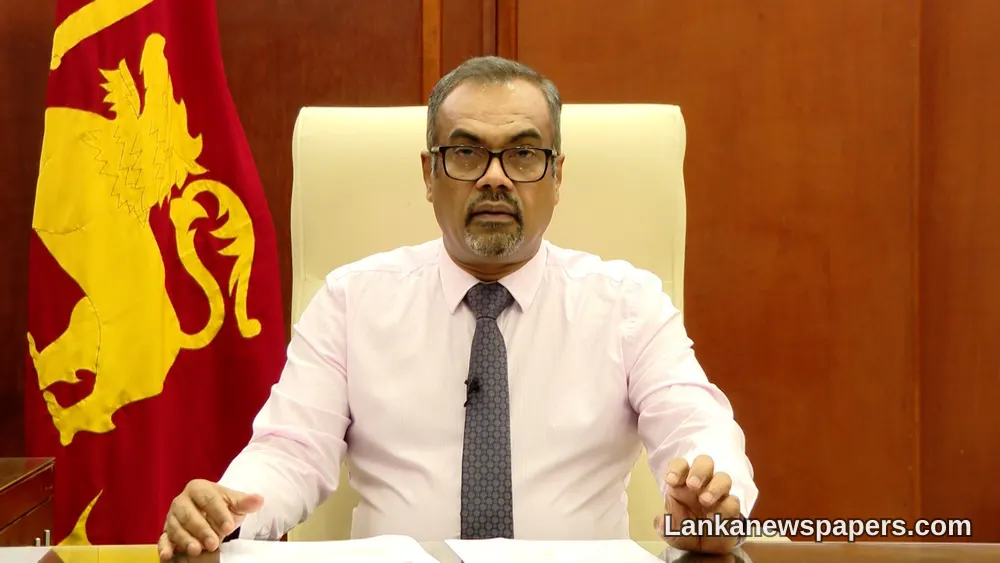
The Sri Lankan government has welcomed the latest credit assessment by S&P Global Ratings as a powerful endorsement of the country's ongoing economic recovery, pointing to the stability of its rating as concrete evidence that fiscal discipline and consistent policymaking are beginning to bear fruit.
S&P Assessment Signals Confidence
According to S&P Global Ratings' most recent evaluation conducted in July 2026, the government has successfully maintained its current rating standing — a development that officials say reflects meaningful progress following one of the most severe economic crises in the island nation's post-independence history.
Senior government figures moved swiftly to frame the outcome as validation of the administration's reform agenda, arguing that the stability recorded by the internationally respected credit rating agency demonstrates that Sri Lanka's economic trajectory is firmly pointed in the right direction.
A Vote of Confidence in Policy Direction
The government has consistently maintained that adherence to its reform programme — anchored by an International Monetary Fund-supported recovery plan — has been central to restoring creditor confidence and stabilising the broader macroeconomic environment.
Officials emphasised that maintaining rating stability, rather than suffering further downgrades, represents a significant milestone for a country that experienced a historic sovereign default and widespread economic hardship in recent years.
The S&P assessment is not merely a number — it is a signal to investors, trading partners and the international community that Sri Lanka has turned a corner and is committed to responsible economic governance.
What This Means for Sri Lanka
Credit ratings assigned by agencies such as S&P Global Ratings carry considerable weight in international financial markets. A stable rating helps reduce borrowing costs, encourages foreign direct investment, and strengthens a government's ability to access capital markets — all of which are critical priorities for Sri Lanka as it works to rebuild its foreign reserves and restore sustainable debt levels.
Analysts note that while a stable rating is encouraging, the country must still navigate a challenging road ahead, including the completion of its debt restructuring process and the implementation of structural reforms necessary to place public finances on a long-term sustainable footing.
Cautious Optimism Among Observers
Economic commentators have broadly welcomed the news while urging caution, noting that rating stability reflects current conditions but can shift quickly if reform momentum slows or external pressures — such as global commodity price fluctuations or reduced remittance flows — intensify.
For ordinary Sri Lankans, who endured prolonged fuel and medicine shortages, soaring inflation, and lengthy power cuts during the peak of the crisis, the rating news represents a step forward, even as the cost of living continues to weigh heavily on household budgets across the country.
The government has indicated it remains committed to the policy consistency that S&P has recognised, and has pledged to continue engaging transparently with international financial institutions and rating agencies as Sri Lanka presses forward with its recovery programme.

💬 Join the Discussion 3
See what readers are saying — and add your view.
ok fine credit where its due, goverment actually did something right for once
S&P rating means nothing if my grocery bill still killing me
exactly men, ratings for who? not for us normal ppl