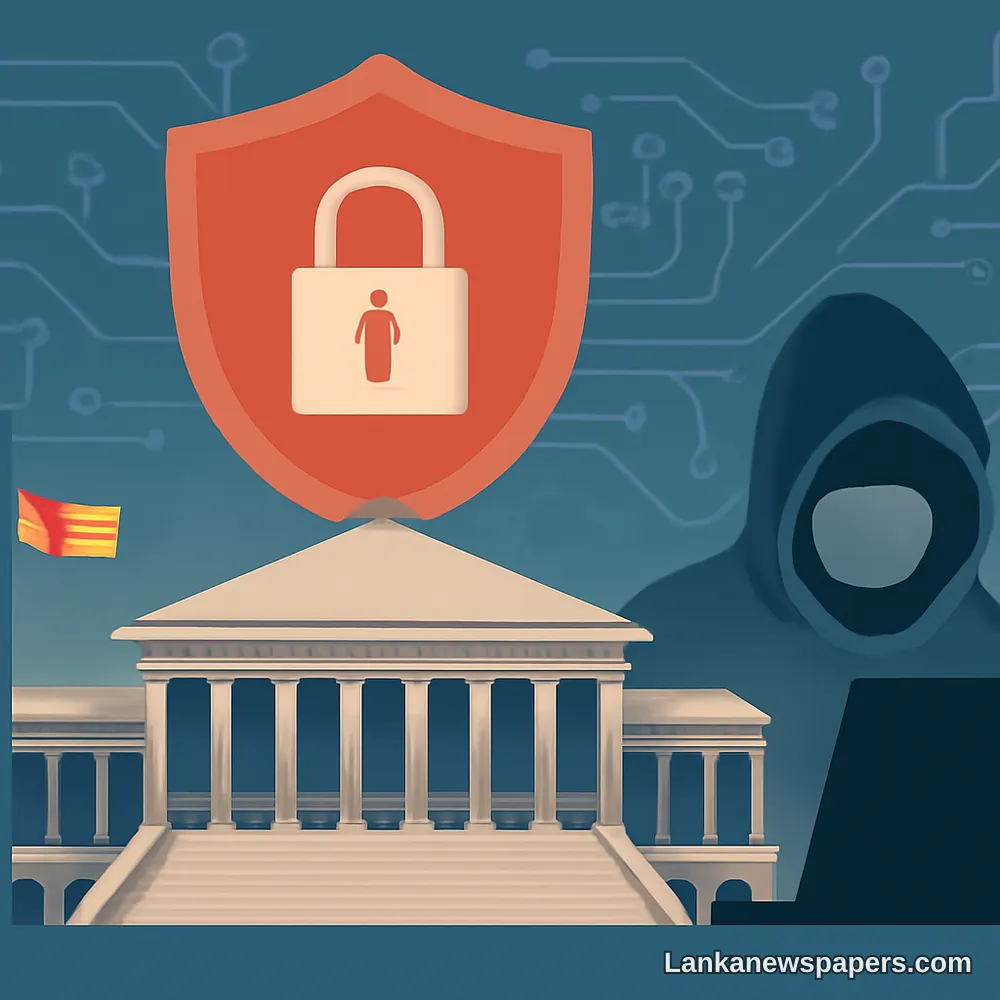
Security Concerns Raised Over Parliamentary IT Systems
A significant cybersecurity vulnerability has been identified within the digital systems of the Sri Lanka Parliament, raising serious concerns about the integrity and safety of the country's legislative infrastructure.
What the Assessment Revealed
Authorities have flagged a tangible risk of cyberattack targeting the Parliament's digital network, highlighting the urgent need for enhanced protective measures to safeguard sensitive government data and communications housed within the institution.
The discovery underscores a growing challenge faced by public institutions across Sri Lanka, as state bodies increasingly rely on digital platforms to conduct official business, store records, and manage internal communications.
A Wake-Up Call for Digital Security
Cybersecurity experts have long warned that government institutions in Sri Lanka remain among the most exposed to digital threats, often lacking the robust, up-to-date defence systems that the sophistication of modern cyberattacks demands.
The Parliament, as the apex legislative body of the nation, holds highly sensitive information relating to lawmaking, state finances, and national policy. Any successful breach of its systems could carry far-reaching consequences for governance and national security.
Need for Immediate Action
While specific details regarding the nature and extent of the identified vulnerability have not been fully disclosed, the revelation is expected to prompt immediate steps toward strengthening the Parliament's cyber defences. Among the measures likely to be considered are:
- A comprehensive audit of existing digital infrastructure
- Implementation of advanced firewall and intrusion detection systems
- Mandatory cybersecurity training for parliamentary staff
- Engagement with national and international cybersecurity agencies for technical assistance
Broader Implications for Sri Lanka
This development comes at a time when cyberattacks on government institutions are on the rise globally, with state-sponsored hacking groups and independent cybercriminals increasingly targeting legislative and administrative bodies.
Sri Lanka has previously experienced cyber incidents affecting public sector organisations, making this latest warning a critical reminder that digital security must be treated as a matter of national importance rather than an afterthought.
The security of Parliament's digital systems is not merely a technical matter — it is a matter that directly affects the functioning of democracy and the protection of national interests.
Officials are yet to make a formal public statement detailing the specific steps being taken in response to the identified threat, but observers expect swift action given the sensitivity of the institution involved.


💬 Join the Discussion 2
See what readers are saying — and add your view.
whole country's systems are like this, parliament is not special
exactly, even goverment hospitals still using windows 7 no?