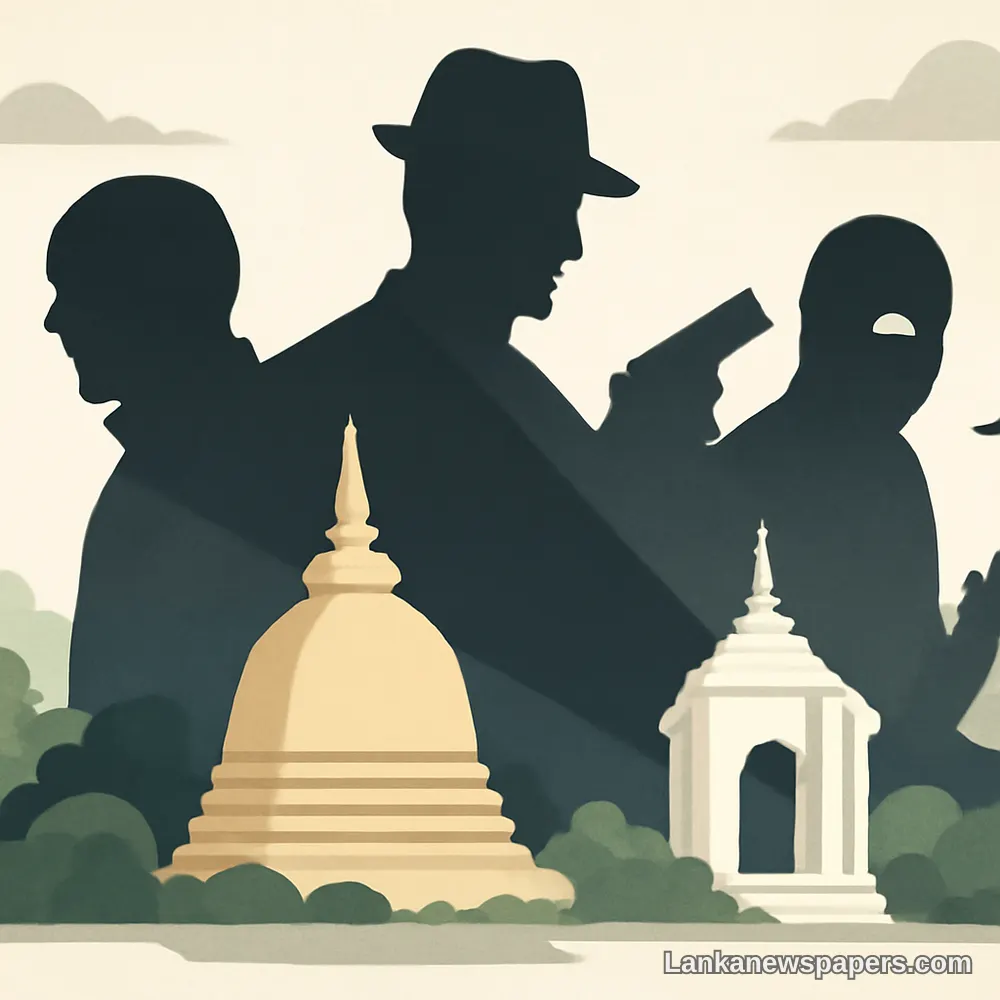
Sri Lanka may have triumphed over terrorism, but the island nation continues to grapple with a deeply entrenched underworld of drugs and organised crime — a battle that successive governments have promised to win yet consistently failed to deliver on.
A Nation That Defeated Terror But Not Crime
The end of the decades-long civil conflict was hailed as a defining moment for Sri Lanka, demonstrating the country's resolve in the face of violent extremism. Yet that same resolve has proven far more difficult to sustain when confronted with the shadowy networks of drug trafficking and criminal syndicates that continue to operate with alarming boldness across the island.
Despite repeated announcements of crackdowns and high-profile anti-underworld operations launched by successive administrations, crime networks have demonstrated a troubling resilience, maintaining their grip on communities and, increasingly, on institutions that many Sri Lankans hold sacred.
Holy Sites Under Threat
Among the most disturbing developments is the apparent reach of underworld elements extending toward revered religious shrines — places of worship that millions of Sri Lankans of all faiths regard as sanctuaries of peace and spiritual refuge. The encroachment of criminal influence into such spaces represents not only a law enforcement failure but a profound affront to the cultural and religious fabric of the nation.
A Cycle of Promises and Failures
Governments of every political stripe have, at various points, pledged decisive action against organised crime. Operations are launched, arrests are made, and press conferences are held — yet the syndicates endure. Analysts and civil society groups have long argued that the persistence of these networks points to something more systemic than mere policing shortfalls.
- Drug trafficking networks continue to expand their reach across the country
- Criminal organisations reportedly maintain connections that shield them from sustained legal pressure
- Religious and community spaces are increasingly vulnerable to underworld intimidation
Sri Lanka defeated one of the world's most ruthless terrorist organisations — but neutralising the underworld of drugs and crime has proven to be a far more elusive challenge.
Public Concern Grows
For ordinary Sri Lankans, the failure to decisively dismantle these criminal networks translates into everyday insecurity. When even places of religious significance are not beyond the reach of criminal threats, public confidence in the state's ability to maintain order and protect its citizens is inevitably shaken.
The situation demands not only stronger policing but a comprehensive, transparent and politically courageous response from those in power — one that goes beyond election-cycle promises and addresses the structural conditions that allow organised crime to flourish long after the guns of war fell silent.
💬 Join the Discussion 1
See what readers are saying — and add your view.
same politicians protecting these criminals la. nothing will change.