Crisis in the Courts: Why Sri Lanka's Justice System Needs Urgent Reform
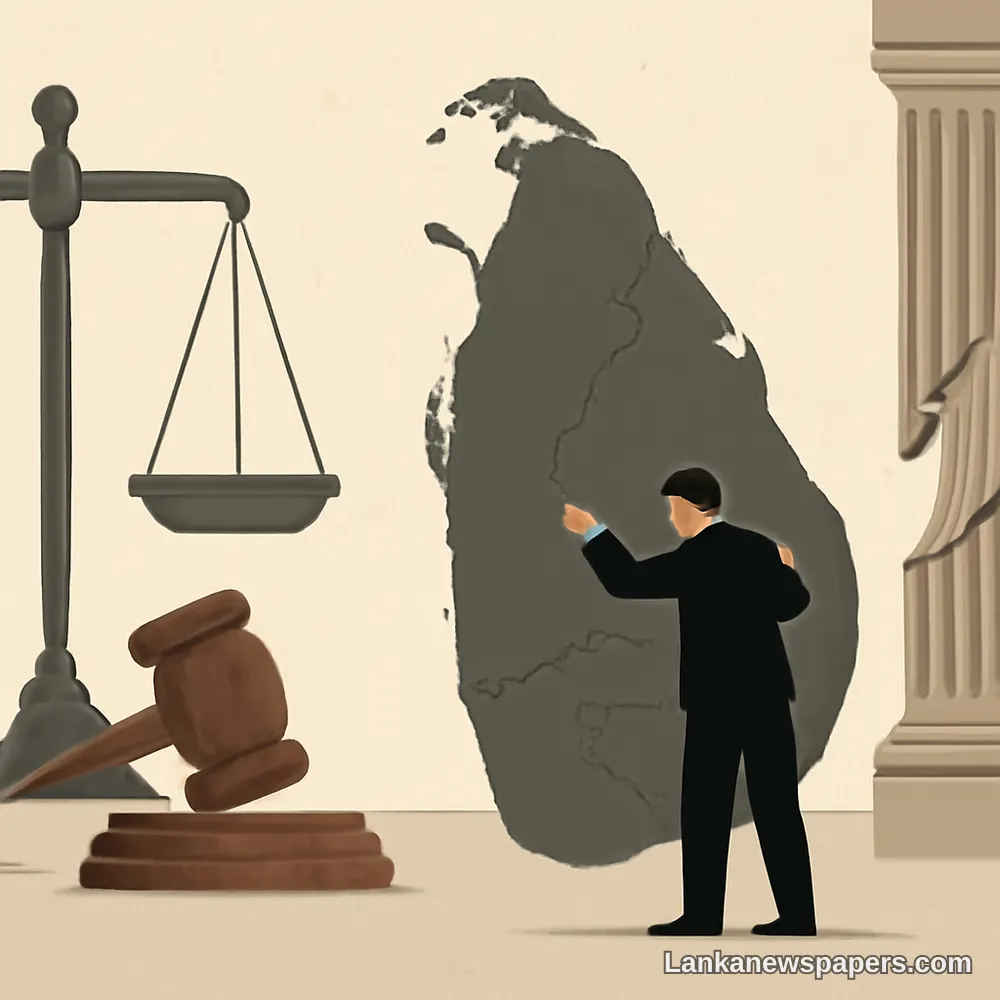
A growing chorus of legal professionals, civil society activists, and concerned citizens is raising the alarm over what many are now describing as a justice emergency in Sri Lanka — one defined by a troubling paradox: alleged impunity for the elderly powerful, and insufficient representation of younger, reform-minded legal minds within the country's judicial institutions.
The Core Concern
At the heart of the crisis is a perceived structural imbalance in Sri Lanka's justice system. Critics argue that individuals above the age of 80 who are implicated in serious wrongdoing continue to operate with little accountability, benefiting from procedural delays, institutional inertia, and what observers describe as a culture of deference toward senior establishment figures.
At the same time, legal professionals under the age of 65 — those considered most likely to bring fresh perspectives and a genuine commitment to reform — are said to be systematically sidelined from positions of meaningful influence within the judiciary and the broader justice apparatus.
A Formal Appeal to the President and the Minister of Justice
A memorandum has been directed at President Anura Kumara Dissanayake and the Minister of Justice, urging immediate corrective action. The document calls on the country's highest executive authority to acknowledge the dysfunction within the justice sector and to take decisive steps toward meaningful reform.
The appeal reflects mounting frustration among those who believe that Sri Lanka's post-aragalaya promise of systemic change has yet to meaningfully penetrate the corridors of the judiciary.
The justice system must serve every citizen equally — not shield the privileged few who have spent decades entrenching themselves within institutions designed to protect the public.
Systemic Delays and Accountability Gaps
Among the specific grievances outlined in the memorandum are the following:
- Long-standing cases involving senior public figures have stalled without resolution, raising questions about equal application of the law.
- Appointments to key judicial and prosecutorial roles have reportedly favoured individuals aligned with the old political establishment rather than those with demonstrated commitment to independent justice.
- Younger legal professionals with strong academic and professional credentials continue to be passed over in favour of those whose primary qualification appears to be seniority or political connection.
A Test of the New Government's Resolve
For President Dissanayake's administration, which swept to power on a platform of systemic change and anti-corruption, the memorandum represents a direct test of political will. Supporters of the NPP government have long argued that genuine transformation requires dismantling the very structures that allowed impunity to flourish under previous administrations.
Legal analysts note that without bold intervention in the justice sector, broader reforms in governance, public finance, and anti-corruption will remain fragile and vulnerable to reversal.
What Reformers Are Calling For
Those behind the memorandum are urging the President and the Justice Minister to consider the following measures:
- Establishing clear timelines for the conclusion of long-delayed cases involving public figures accused of serious offences.
- Introducing transparent, merit-based criteria for judicial appointments that prioritise professional integrity over seniority or political affiliation.
- Creating independent oversight mechanisms to monitor the conduct and efficiency of the justice system.
- Empowering younger legal professionals to take on substantive roles within state institutions responsible for prosecution and adjudication.
Broader Implications
Sri Lanka has long struggled with a justice system perceived by many ordinary citizens as slow, unequal, and susceptible to political interference. The concerns raised in this memorandum are not new — but the current political climate, shaped by public demand for accountability, lends them fresh urgency.
Whether the government chooses to act decisively or allows the moment to pass will speak volumes about the true depth of its commitment to the rule of law — and to the millions of Sri Lankans who believed, when they cast their votes, that genuine change was finally possible.



💬 Join the Discussion 0
Be the first to share your view on this story.