Dengue Alarm: Nearly a Third of Cases Hitting Children as Outbreak Spreads Across 12 Districts
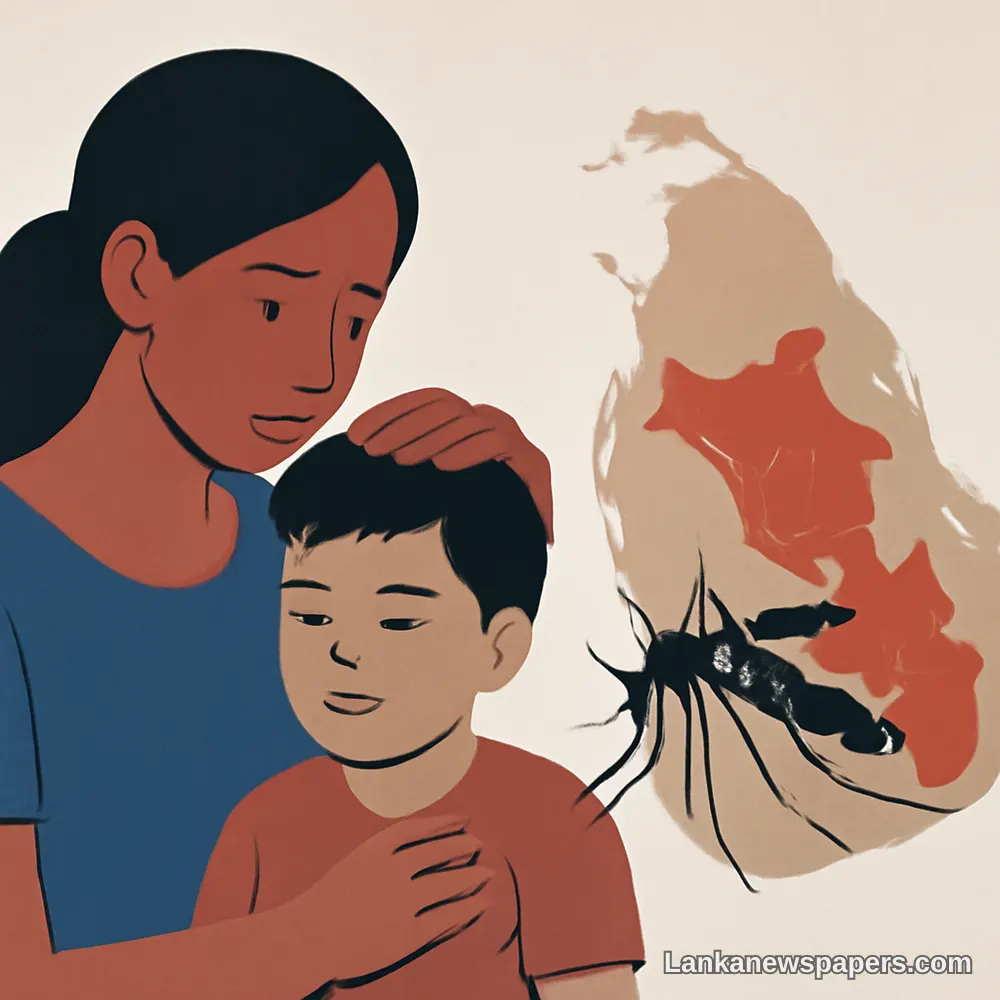
Young Lives at Risk as Dengue Tightens Its Grip on Sri Lanka
Health authorities are raising urgent concern over a widening dengue outbreak in Sri Lanka, with the disease now spreading across 12 districts and children bearing a disproportionately heavy burden of the crisis.
Latest figures reveal that approximately 30 percent of all recorded dengue cases involve children and young people under the age of 19, placing immense pressure on paediatric healthcare services and alarming parents and medical professionals alike.
Outbreak Stretches Across Multiple Districts
The geographical reach of the current outbreak is a particular cause for concern. With 12 districts now reporting dengue cases, the disease is no longer confined to traditionally high-risk urban pockets, signalling a broader and potentially more difficult-to-contain transmission pattern.
Public health officials are urging communities across all affected districts to take immediate preventive action, warning that the mosquito-borne illness can escalate rapidly if breeding grounds are left unchecked.
What Parents and Communities Must Know
Medical experts are reminding the public of the key warning signs of dengue, particularly in children, which can include:
- Sudden high fever lasting two to seven days
- Severe headaches and pain behind the eyes
- Joint and muscle pain
- Skin rashes appearing after the onset of fever
- Nausea, vomiting, and fatigue
Parents are strongly advised to seek immediate medical attention if a child develops a sudden high fever, rather than attempting to manage symptoms at home without professional guidance.
Prevention Remains the First Line of Defence
Authorities are calling on households, schools, and local government bodies to eliminate stagnant water collections where the Aedes aegypti mosquito, the primary carrier of the dengue virus, is known to breed. Common breeding sites include water-filled containers, flower pots, discarded tyres, and clogged drains.
Health officials stress that community-level action is critical — dengue cannot be controlled by hospitals alone. Prevention must happen at the household and neighbourhood level.
As the wet season continues to create favourable conditions for mosquito proliferation, Sri Lankan health authorities are expected to intensify surveillance, fogging operations, and public awareness campaigns in the coming weeks across all 12 affected districts.



💬 Join the Discussion 0
Be the first to share your view on this story.