Sri Lanka Climbs the Ladder: What the World Bank's Upper-Middle Income Reclassification Really Means
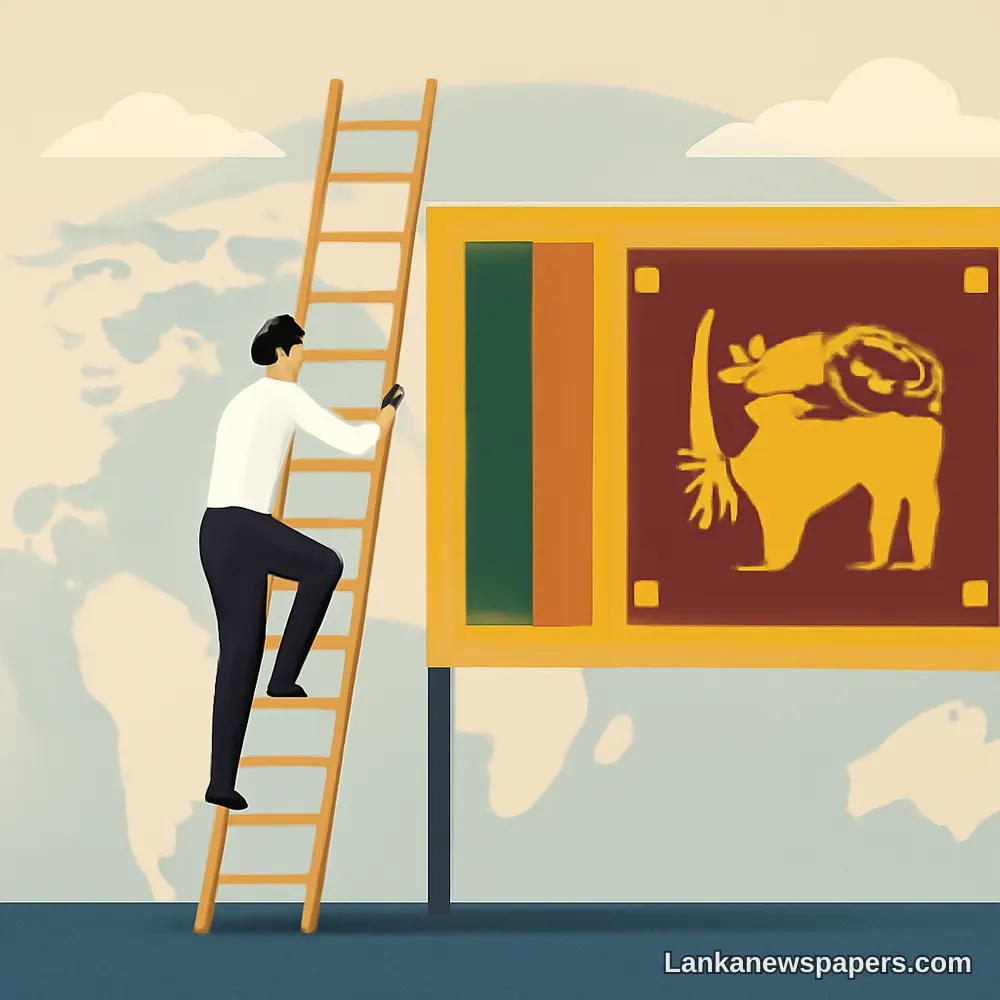
Sri Lanka has been reclassified as an upper-middle income country by the World Bank, marking a significant milestone in the island nation's economic journey — particularly given the severe financial crisis it endured just a few years ago.
What Is the World Bank's Income Classification?
The World Bank groups countries into four income categories based on Gross National Income (GNI) per capita: low income, lower-middle income, upper-middle income, and high income. These classifications are updated annually and play a crucial role in determining a country's eligibility for certain types of financial assistance, lending terms, and international development partnerships.
How Did Sri Lanka Qualify?
The reclassification is driven by Sri Lanka's GNI per capita crossing the threshold required to move from lower-middle income to upper-middle income status. This shift reflects measurable improvements in the country's economic output and national earnings, even as the nation continues its recovery and reform programme following its 2022 debt default and economic collapse.
A Cautious Celebration
While the reclassification is being welcomed as a positive signal, economists and analysts urge caution. A higher income classification does not automatically translate into improved living standards for ordinary Sri Lankans, many of whom are still grappling with the cost of living pressures, reduced public services, and the lingering effects of the economic crisis.
- The classification is based on GNI per capita, which is a national average and may not reflect income distribution across the population.
- Sri Lanka could face reduced access to concessionary loans typically available to lower-middle income nations.
- The reclassification may affect the terms of future borrowing from multilateral institutions.
What It Means Going Forward
For policymakers in Colombo, the World Bank's upgraded classification carries both prestige and responsibility. It signals to international investors and creditors that Sri Lanka's economy has shown meaningful recovery, which could support ongoing debt restructuring negotiations and efforts to attract foreign direct investment.
The reclassification reflects statistical progress, but sustaining this status will depend on whether economic growth translates into tangible benefits for all Sri Lankans — not just headline figures.
As Sri Lanka continues to implement reforms under its International Monetary Fund programme, maintaining this newly achieved status will require consistent fiscal discipline, structural economic reform, and policies that ensure broader prosperity across all segments of society.

💬 Join the Discussion 3
See what readers are saying — and add your view.
does this mean we lose concessional loans? genuine question
on paper only la, our ppl still struggling to buy rice
exactly, goverment will use this to brag in elections for sure