World Bank Warns Sri Lanka's Middle-Income Status Upgrade Remains on Shaky Ground
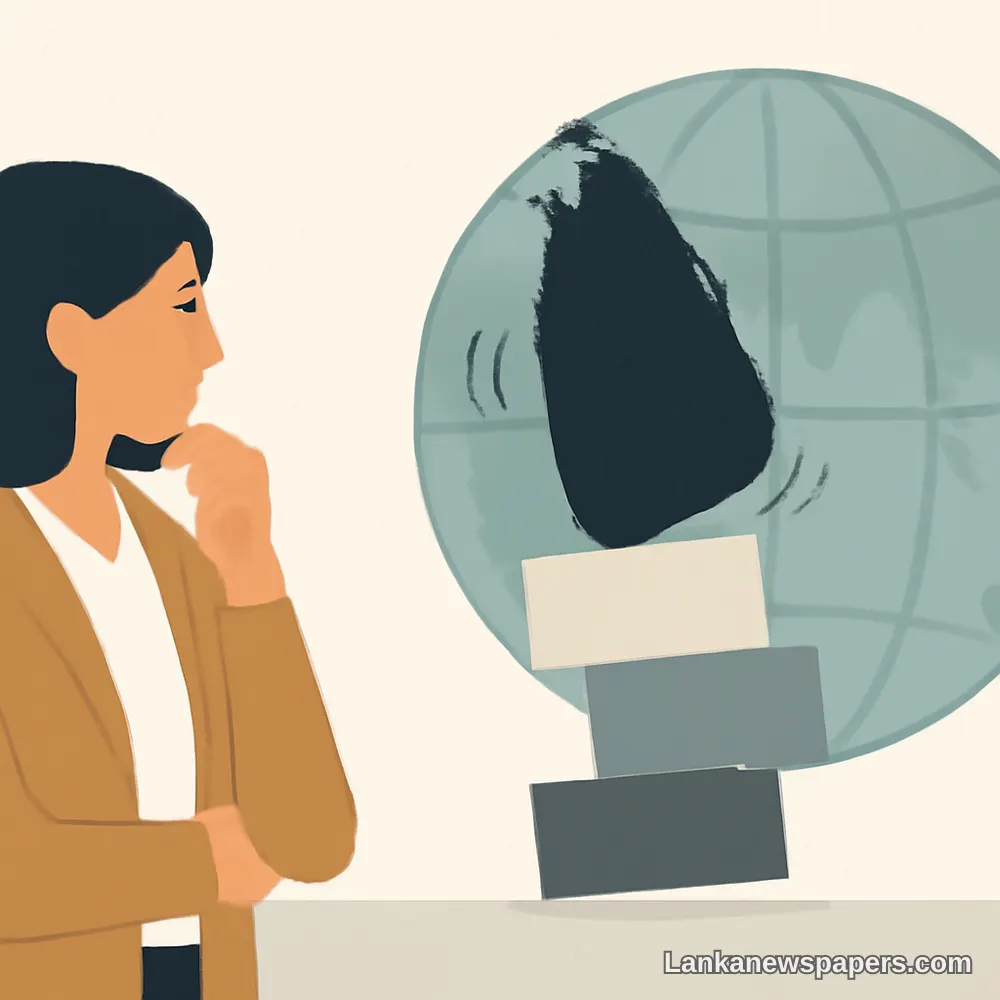
The World Bank has issued a cautionary note regarding Sri Lanka's recently attained upper-middle-income country status, warning that the economic gains underpinning the upgrade remain fragile and could be reversed if the island nation fails to sustain its reform momentum.
A Hard-Won but Vulnerable Milestone
Sri Lanka was reclassified to upper-middle-income status by the World Bank following a period of intense economic stabilisation efforts, but the multilateral lender has made clear that this achievement should not be treated as a signal that the country's economic troubles are behind it. The warning serves as a reminder that the reclassification is based on gross national income per capita thresholds, which can fluctuate significantly with currency movements, growth rates, and debt dynamics.
The World Bank stressed that Sri Lanka's recovery, while notable given the severity of the 2022 economic crisis, remains uneven. Millions of households continue to feel the weight of elevated living costs, reduced purchasing power, and lingering unemployment in key sectors.
Reforms Must Continue, Lender Insists
According to the World Bank, sustaining the income upgrade will require Sri Lanka to press ahead with structural reforms, including improvements to fiscal management, revenue collection, and state-owned enterprise governance. The lender cautioned that any rollback of reform commitments — particularly those tied to the International Monetary Fund's ongoing Extended Fund Facility programme — could jeopardise the country's economic standing.
- Fiscal consolidation efforts must be maintained to reduce the public debt burden
- Revenue-based reforms are essential to ensure long-term budget sustainability
- Strengthening social protection systems remains critical to shield vulnerable populations
- Structural reforms in state-owned enterprises need to be deepened
Context: Sri Lanka's Economic Crisis and Recovery
Sri Lanka plunged into its worst economic crisis in decades in 2022, running out of foreign reserves, defaulting on its external debt, and enduring acute shortages of fuel, medicine, and essential goods. The country secured an IMF bailout package and has since undertaken a painful but necessary adjustment process under the watch of both the IMF and the World Bank.
The income reclassification reflects measured progress, but the foundations of that progress must be reinforced through sustained policy discipline and inclusive growth strategies.
While macroeconomic indicators have shown improvement — including a stabilising exchange rate, recovering foreign reserves, and declining inflation — the World Bank's caution underscores that statistical thresholds alone do not capture the full picture of economic resilience.
What This Means for Sri Lankans
For ordinary Sri Lankans, the World Bank's warning is a sobering reminder that the road to durable recovery is long. The income upgrade may have symbolic significance and could influence the country's access to certain categories of concessional financing, but it does not automatically translate into improved living standards for the broader population.
Policymakers in Colombo will need to navigate the dual challenge of maintaining reform credibility with international partners while addressing the social pressures building from within — a balancing act that will define Sri Lanka's economic trajectory in the years ahead.


💬 Join the Discussion 2
See what readers are saying — and add your view.
middle income on paper only la, ask the ppl buying groceries
exactly, my salary same but everything double the price