Europe's Deadly Heatwave Claims Over 1,300 Lives as Millions Swelter Under Extreme Temperatures
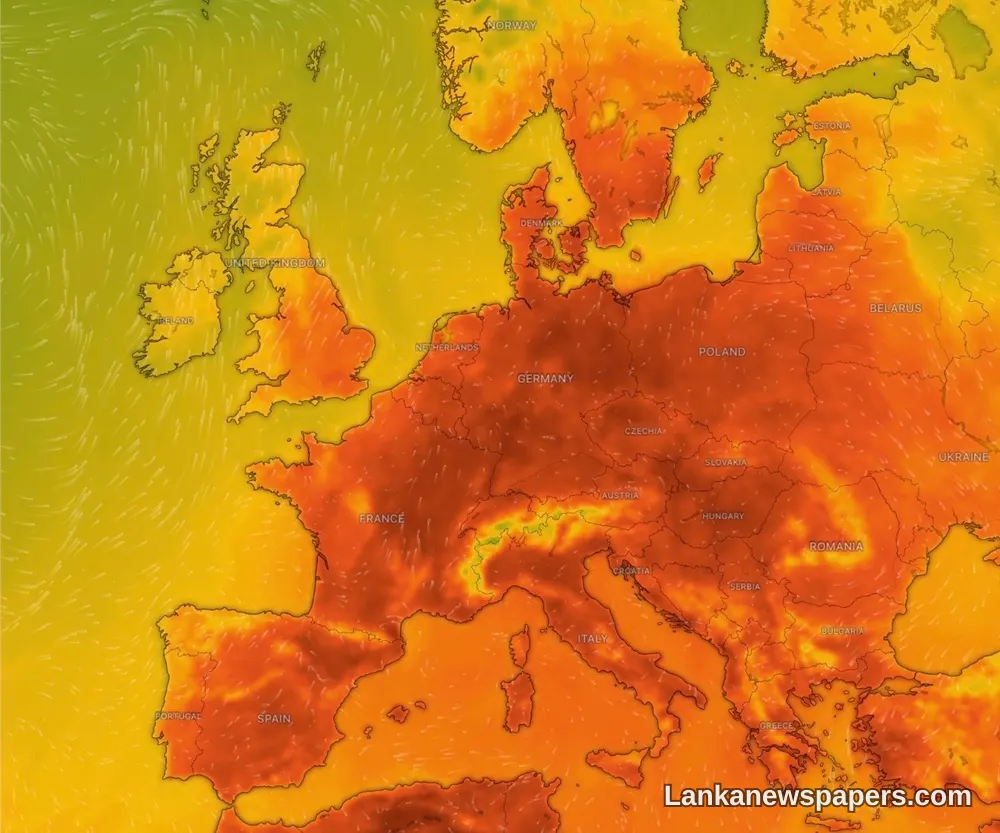
A devastating heatwave sweeping across Europe has been linked to more than 1,300 excess deaths since June 21, as soaring temperatures continue to push the continent to its limits and leave an estimated 191 million people exposed to extreme and potentially life-threatening heat.
A Crisis of Historic Proportions
The scale of the current heatwave has alarmed health authorities and meteorologists alike, with record-breaking temperatures being recorded across multiple European nations. The death toll, described in terms of "excess deaths" — a measure of fatalities above what would normally be expected during a given period — paints a grim picture of the human cost of prolonged extreme heat.
Authorities across the affected regions are working to manage the crisis, urging vulnerable populations including the elderly, young children, and those with pre-existing medical conditions to take precautions and avoid prolonged exposure to the sun.
Millions at Risk Across the Continent
The sheer number of people affected underscores the gravity of the situation. With 191 million individuals facing extreme temperatures, public health systems across Europe are under considerable strain. Hospitals have reported increased admissions related to heat-induced illness, including heatstroke and severe dehydration.
- Over 1,300 excess deaths recorded since June 21
- 191 million people exposed to extreme heat conditions
- Elderly and vulnerable groups identified as most at risk
- Health systems across multiple European countries under pressure
A Warning for the Wider World
Climate scientists have long warned that events such as this are becoming more frequent and more intense as global temperatures rise. Europe's current crisis serves as a stark reminder of the real-world consequences of climate change, and observers note that regions beyond Europe — including South Asia — are not immune to similar threats.
Extreme heat events are no longer rare anomalies. They are becoming a defining feature of our climate reality, and communities everywhere must prepare accordingly.
For Sri Lanka and other tropical nations already accustomed to high temperatures, the European experience highlights the importance of robust public health planning and early warning systems to protect citizens during periods of dangerous heat.
As the situation in Europe continues to develop, global health organisations are monitoring the death toll closely, with fears that the figures may rise further if temperatures do not ease in the coming days.



💬 Join the Discussion 0
Be the first to share your view on this story.