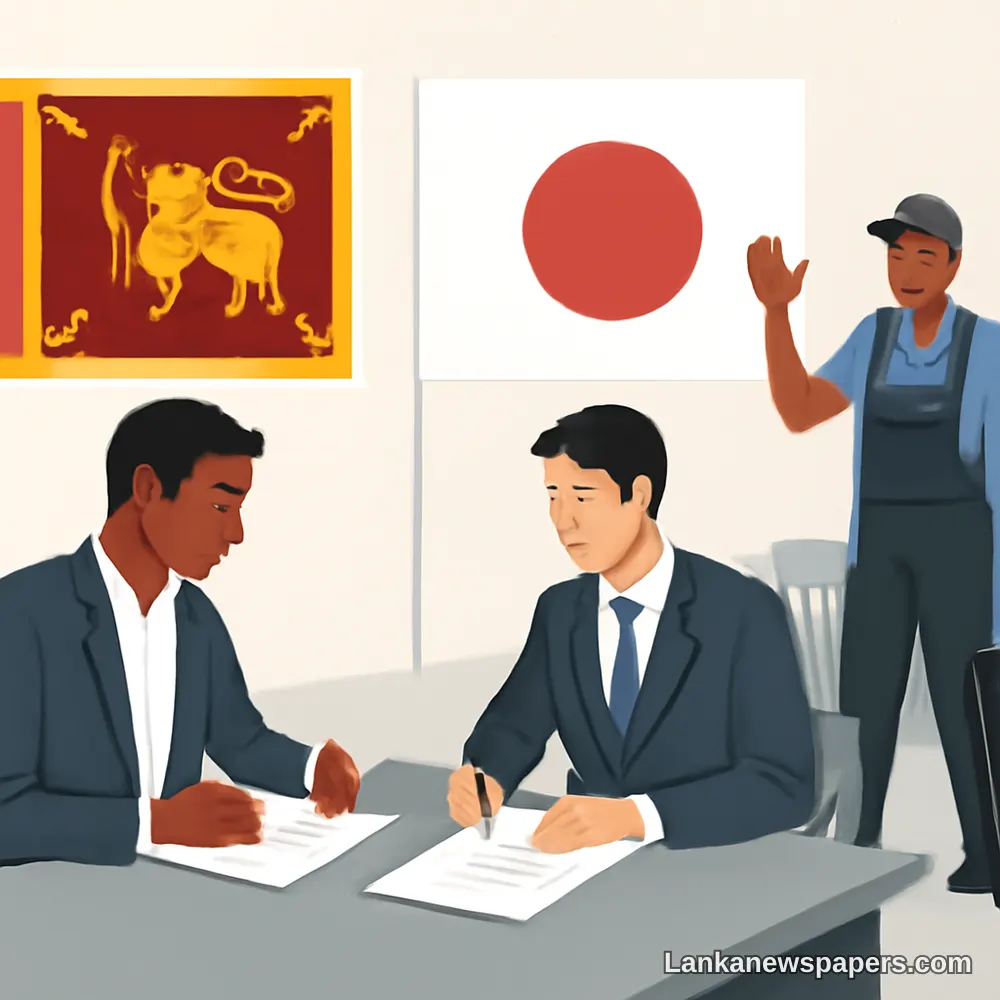
Sri Lanka's cabinet has granted approval for a new bilateral agreement with Japan aimed at facilitating the export of skilled Sri Lankan workers under a structured and modernised labour mobility framework, marking a significant step in the island nation's efforts to expand overseas employment opportunities for its workforce.
A Framework Built on Transparency and Sustainability
The newly approved pact is designed around principles of transparency and long-term sustainability, setting it apart from earlier labour export arrangements. Officials say the agreement prioritises the welfare and rights of Sri Lankan workers, placing labour-centric values at the core of the programme rather than treating worker mobility purely as an economic transaction.
The framework is intended to address longstanding concerns about exploitation and inadequate protections that have at times plagued Sri Lankan migrant workers abroad, offering a more structured pathway for those seeking employment in Japan.
Strengthening Sri Lanka-Japan Ties
Japan has become an increasingly attractive destination for skilled workers from across Asia, driven by the country's ageing population and persistent labour shortages across several key industries. Sri Lanka's cabinet decision signals a formal commitment to meeting part of that demand while ensuring its own citizens benefit from fair working conditions and clearly defined contractual obligations.
The agreement is expected to open doors for Sri Lankan professionals and skilled tradespeople across a range of sectors, with both governments working to establish clear processes for recruitment, placement, and ongoing support for workers deployed under the programme.
What This Means for Sri Lankan Workers
- Workers will be recruited and placed through a regulated, government-backed process
- The programme emphasises worker rights and welfare as central commitments
- A sustainable mobility framework aims to ensure long-term benefits for both countries
- Greater transparency in recruitment is expected to reduce the risk of exploitation
The cabinet's endorsement reflects the government's broader strategy to leverage Sri Lanka's skilled human capital in international labour markets while simultaneously safeguarding the dignity and livelihoods of its workers overseas. Further details on implementation timelines and eligible sectors are expected to be announced as the agreement moves toward formal signing.



💬 Join the Discussion 1
See what readers are saying — and add your view.
finally something that actually protects the workers, not just sends them off