Sri Lanka's Forced Labour Import Ban Helped Unlock Lower US Tariff Rate, Says Finance Ministry
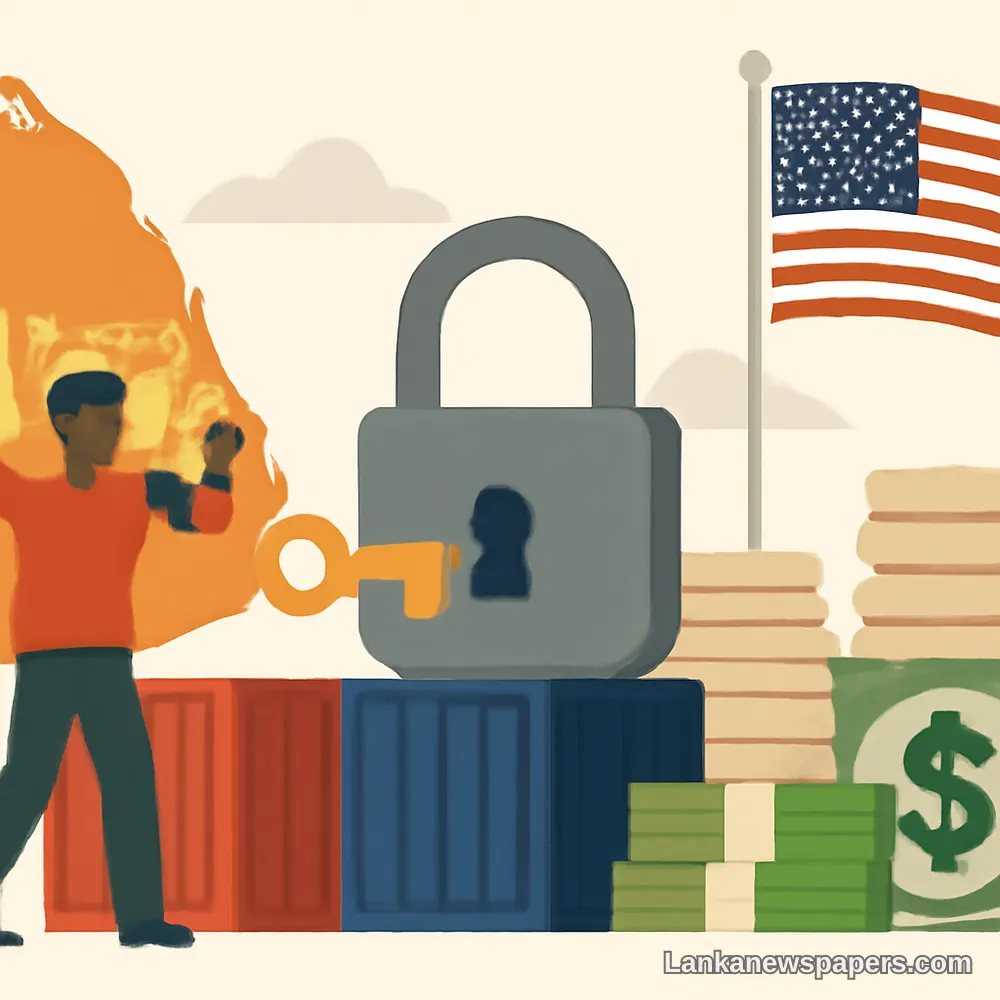
Sri Lanka's decision to prohibit the importation of goods produced using forced labour has played a direct role in securing a reduced tariff rate from the United States, the Finance Ministry has confirmed.
Policy Move Yields Trade Benefit
The Finance Ministry stated that the island nation's legislative stance against forced labour imports was among the key factors acknowledged by Washington in determining a more favourable tariff arrangement for Sri Lanka. The development marks a notable outcome for the country as it navigates the complexities of its trade relationship with one of its most important export destinations.
The United States has in recent years intensified scrutiny of its trading partners' labour standards, making compliance with international norms on forced and child labour an increasingly significant consideration in bilateral trade negotiations and tariff determinations.
Broader Significance for Sri Lanka's Export Sector
For Sri Lanka, access to the US market is critically important, particularly for its apparel and textile industries, which depend heavily on American buyers. A lower tariff rate strengthens the competitiveness of Sri Lankan exports against rival nations in the region.
The Finance Ministry's announcement signals that aligning domestic policy with internationally recognised labour standards is not merely an ethical obligation but carries tangible economic rewards, particularly as major economies like the United States increasingly tie trade benefits to such commitments.
Government Position
Officials indicated that Sri Lanka's proactive approach in banning the import of goods linked to forced labour demonstrated the country's commitment to ethical trade practices, a stance that appears to have resonated positively with American trade authorities when assessing applicable tariff levels.
The development is expected to be welcomed by Sri Lankan exporters and industry bodies, who have long advocated for policies that improve the country's standing in the eyes of key trading partners.


💬 Join the Discussion 3
See what readers are saying — and add your view.
so we had forced labour imports before? goverment should explain this properly
finally some good news, every little bit helps no
helps who exactly, not the normal ppl suffering here