Sri Lanka Becoming New Hub for Asian Cyber Scam Operations as Crackdowns Displace Networks from Cambodia
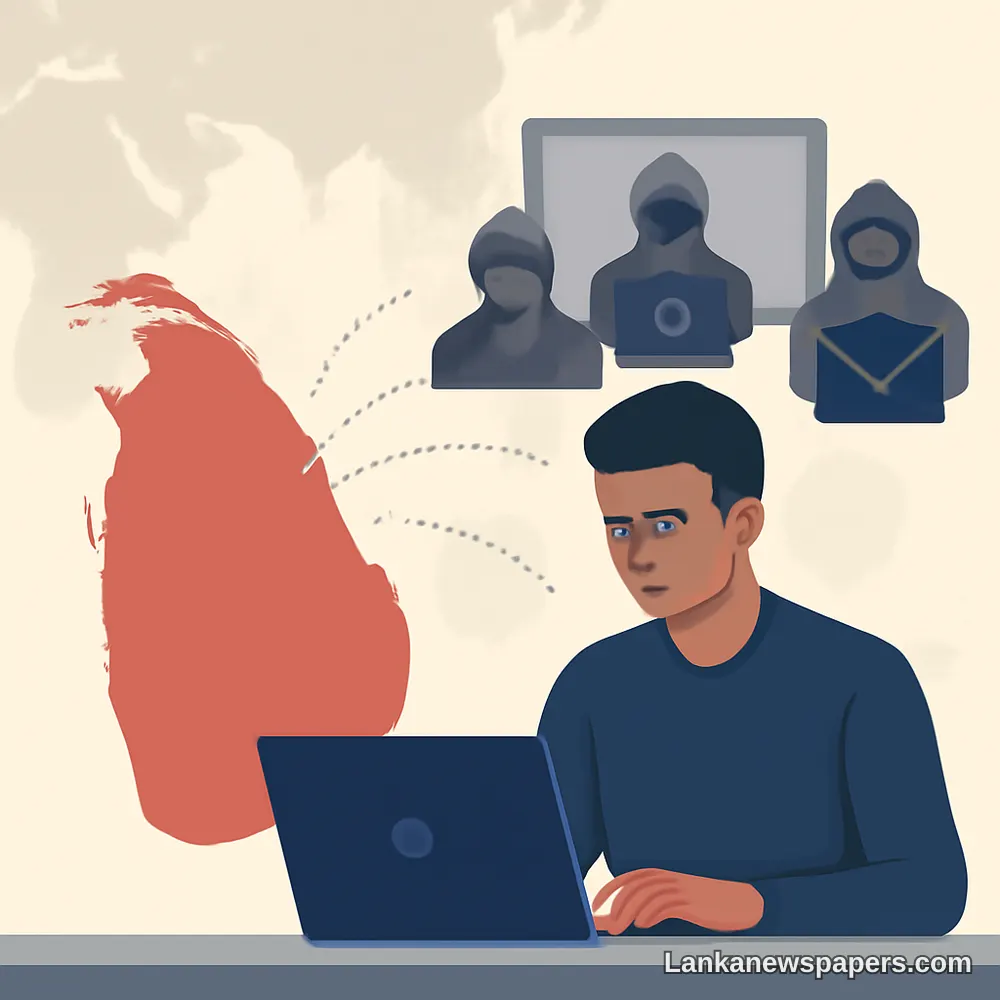
Criminal syndicates seek fresh territory amid regional enforcement pressure
Sri Lanka is increasingly being identified as an emerging destination for organised cyber scam networks operating across Asia, as intensified law enforcement crackdowns in Cambodia and other regional hotspots force criminal operations to seek new bases of activity.
Intelligence and security analysts tracking transnational cybercrime have raised alarms that the island nation is becoming an attractive relocation point for sophisticated fraud syndicates that have long operated out of Southeast Asian compounds, particularly in Cambodia, Myanmar, and the Philippines.
Why Sri Lanka is on the radar of criminal networks
Experts point to several factors that may be drawing these operations toward Sri Lanka, including the country's relatively accessible infrastructure, its English-speaking population, and ongoing economic vulnerabilities that criminal recruiters can exploit to lure local participants into fraudulent schemes.
These scam networks are notorious for operating large-scale online fraud operations, including so-called "pig butchering" investment scams, romance fraud, and cryptocurrency manipulation schemes that have defrauded victims of billions of dollars globally.
Regional crackdowns creating a displacement effect
Authorities across Southeast Asia, particularly in Cambodia, have stepped up raids on scam compounds in recent years, dismantling numerous operations and rescuing thousands of trafficked workers who were forced to carry out fraudulent activities under coercion. However, security analysts warn that rather than eliminating these networks, enforcement pressure has simply caused them to migrate.
This displacement pattern is a well-documented phenomenon in transnational organised crime, where syndicates demonstrate significant adaptability, quickly establishing new footholds in countries with weaker regulatory oversight or less coordinated law enforcement responses.
Concern for Sri Lanka's security landscape
The potential entrenchment of such networks poses serious risks for Sri Lanka, including an increase in human trafficking, money laundering activities, and the exploitation of local citizens as unwitting operatives or victims. There are also broader concerns about reputational damage to the country's financial system if it becomes associated with large-scale cybercrime activity.
Sri Lanka's law enforcement agencies and financial intelligence units will face mounting pressure to coordinate with international partners, including Interpol and regional counterparts, to monitor and intercept any attempts by these criminal organisations to establish a permanent presence on the island.
A call for vigilance
Security observers are urging the Sri Lankan government to proactively strengthen cybercrime legislation, enhance border and financial monitoring mechanisms, and raise public awareness about the recruitment tactics used by these networks, which often target economically vulnerable individuals with promises of lucrative overseas employment.
As Asia's scam ecosystem continues to evolve under enforcement pressure, Sri Lanka's authorities face a critical window of opportunity to prevent the country from becoming the region's next major cybercrime hub.



💬 Join the Discussion 0
Be the first to share your view on this story.