Hulftsdorp: Sri Lanka's Last Bastion of Justice in the Battle Between Law and Power
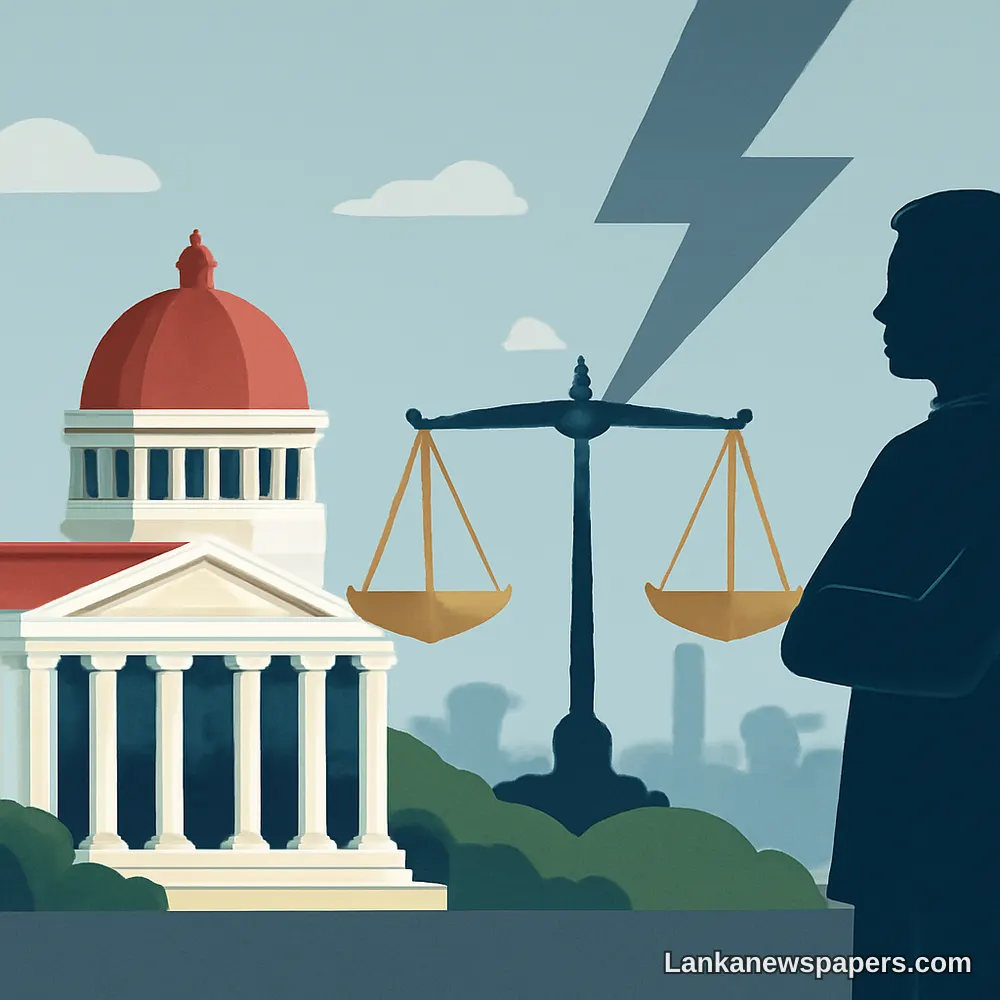
In the heart of Colombo, the courts of Hulftsdorp have long stood as the final refuge for those seeking justice against the might of the state. Today, that role has never felt more consequential — or more contested.
A Institution Under Scrutiny
As Sri Lanka navigates a deeply uncertain political and economic landscape, the judiciary housed within Hulftsdorp's storied precincts finds itself at the centre of a growing national conversation about the true independence of the country's legal institutions. Citizens, activists, and legal scholars alike are asking a pointed question: can the courts remain impartial when powerful forces — political, financial, and institutional — exert pressure from multiple directions?
The Shadow of the Deep State
The concept of a "deep state" — an entrenched network of influential actors operating beyond the reach of democratic accountability — is no longer dismissed as conspiracy in Sri Lanka. Across successive governments, patterns have emerged suggesting that certain power structures persist regardless of who holds elected office, shaping policy, protecting allies, and insulating themselves from legal consequence.
For ordinary Sri Lankans who have watched the powerful escape accountability time and again, Hulftsdorp represents something precious: a space where, in theory at least, no one stands above the law.
Justice Delayed, Justice Denied?
Critics point to a troubling backlog of high-profile cases involving politicians, military figures, and business elites that have languished in the courts for years — sometimes decades — without resolution. Meanwhile, lesser-resourced citizens face the full and swift weight of the legal system for far lesser matters.
- Cases involving alleged wartime human rights violations remain unresolved after more than fifteen years.
- Financial fraud charges against politically connected individuals have repeatedly stalled at various stages of prosecution.
- Whistleblowers and journalists who have exposed corruption continue to face legal harassment while their cases drag on indefinitely.
The Bar Fights Back
Within the legal community itself, there are voices of resistance. A section of the Sri Lankan Bar has consistently pushed back against political interference, filing fundamental rights petitions and challenging executive overreach. These lawyers argue that the integrity of Hulftsdorp is not merely a professional concern — it is a democratic necessity.
The courts are the last line of defence for the citizen against the state. When that line weakens, democracy itself is at risk.
A Crossroads Moment
With public trust in political institutions at historic lows following the economic crisis of recent years, the judiciary's credibility carries unusual weight. Sri Lankans who took to the streets demanding systemic change are now watching closely to see whether the legal system will hold powerful figures to account — or once again provide cover for those who have long acted with impunity.
The courts of Hulftsdorp may yet prove to be the last citadel of justice that its admirers claim it to be. But whether it can withstand the pressures bearing down upon it remains one of the most urgent questions facing Sri Lankan democracy today.

💬 Join the Discussion 3
See what readers are saying — and add your view.
deep state is real in this country, everyone knows but nobody says
courts are the only thing standing between us and full dictatorship honestly
but even courts can be pressured no, we seen it before