Mahiyanganaya Man Granted Bail After Alleged Wild Elephant Death Linked to Illegal Electric Fence
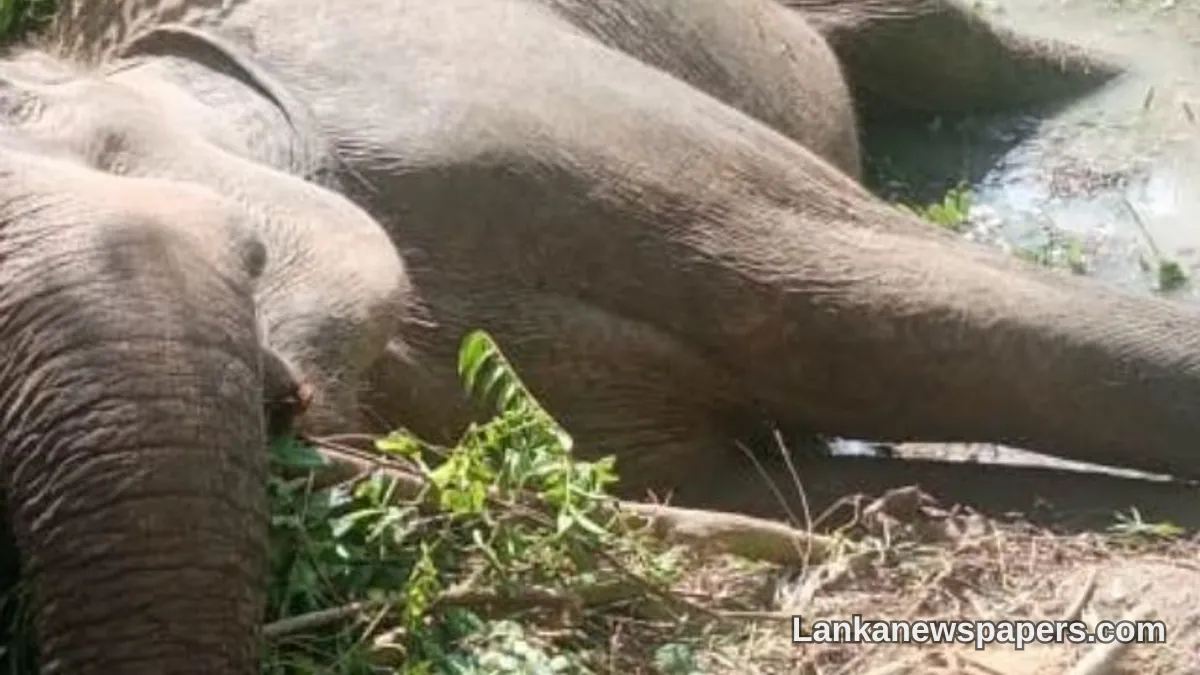
A 57-year-old man was released on bail by the Mahiyanganaya Magistrate's Court on Saturday, November 9, after being produced before the court in connection with the alleged killing of a wild elephant using an illegal electric fence.
Suspect Produced Before Court
The accused was brought before the Mahiyanganaya Magistrate's Court following his arrest over allegations that he had erected an illegal electric fence, which is believed to have been responsible for the death of a wild elephant in the area.
The use of illegal electric fencing to protect agricultural land from wild animal intrusions is a persistent and serious problem across Sri Lanka's rural regions, particularly in areas bordering wildlife zones such as those surrounding Mahiyanganaya.
A Threat to Sri Lanka's Wildlife
Sri Lanka's wild elephant population faces numerous threats, and illegal electric fences have been identified as one of the most dangerous. Such fences, often erected by farmers seeking to protect their crops, carry lethal voltages that are capable of killing large animals.
- The erection of illegal electric fences is a punishable offence under Sri Lankan wildlife and environmental protection laws.
- Wild elephants are a protected species in Sri Lanka, and any act resulting in their death can carry significant legal consequences.
- Human-elephant conflict remains one of the country's most critical conservation challenges.
Authorities and wildlife conservation groups have repeatedly called for stricter enforcement of existing laws and greater community awareness to reduce incidents of this nature.
Bail Granted Pending Further Proceedings
The magistrate granted bail to the 57-year-old suspect following the court appearance, with the case expected to continue through the judicial process. Investigations into the incident are ongoing.
Wildlife officials and law enforcement agencies continue to urge the public to report illegal electric fencing and to adopt humane, legally approved methods for managing human-elephant conflict.
The incident once again highlights the urgent need for sustainable, long-term solutions to coexistence between local farming communities and Sri Lanka's wild elephant population.



💬 Join the Discussion 0
Be the first to share your view on this story.