Supreme Court Voids Ranil's Presidential Pardon, Rules Fundamental Rights Were Violated
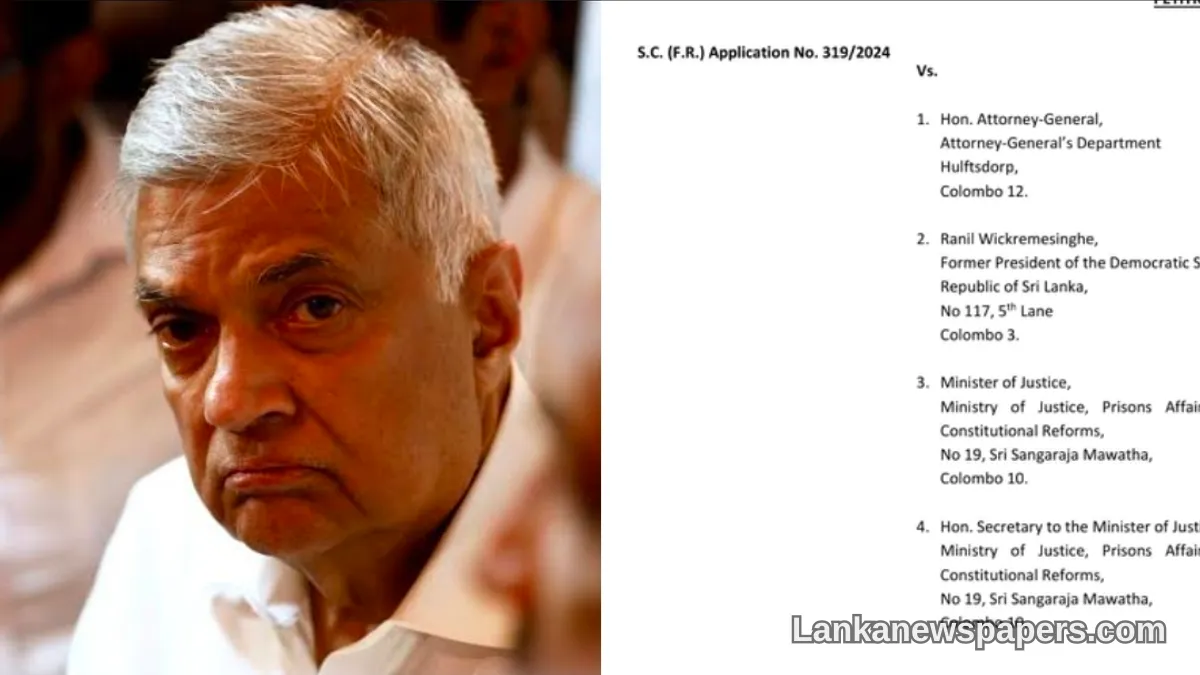
Sri Lanka's Supreme Court has struck down a presidential pardon granted by former President Ranil Wickremesinghe, declaring it null and void after ruling that the amnesty violated the fundamental rights of the affected party.
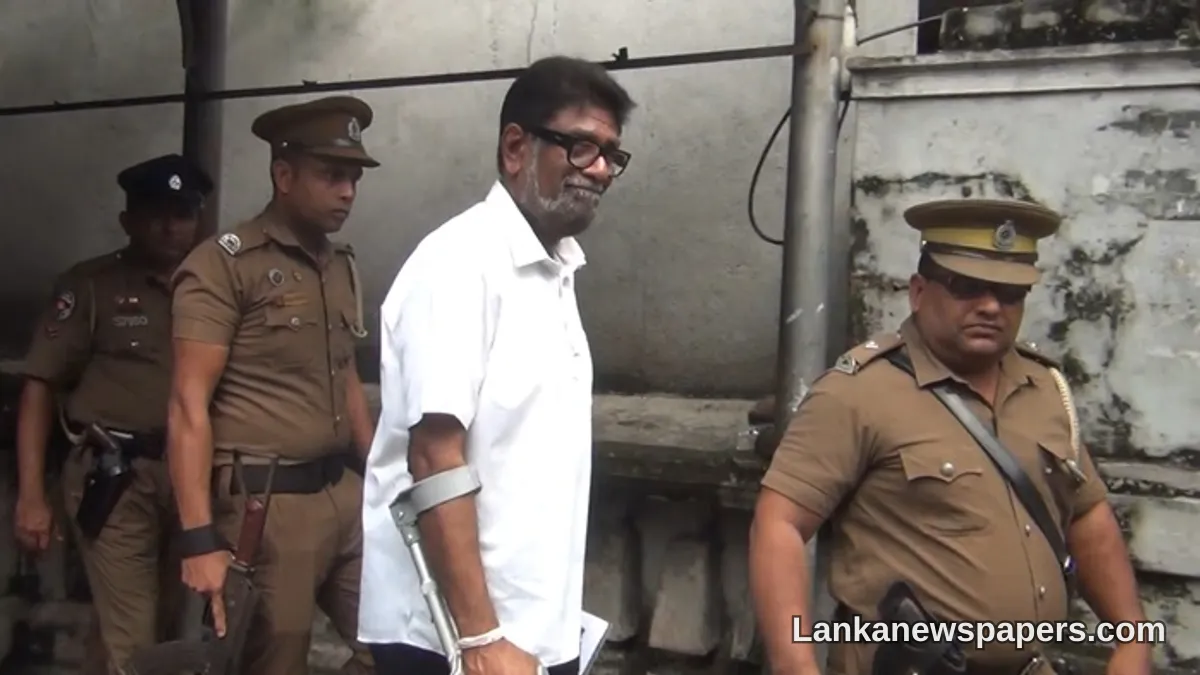
The pardon in question had been granted to a man who had been imprisoned in connection with a marriage dispute, drawing significant legal scrutiny over whether the exercise of presidential clemency in this instance was constitutionally sound.
Court's Landmark Ruling
In a significant constitutional decision, the Supreme Court determined that former President Wickremesinghe's use of his pardoning powers in this case was unlawful and amounted to a violation of fundamental rights. The bench declared the amnesty entirely without legal effect, setting aside the pardon in full.
The ruling underscores the judiciary's role in scrutinising the exercise of executive power, even in matters traditionally considered within the discretionary authority of a sitting president. Presidential pardons, while constitutionally provided for, are not beyond judicial review when they are found to infringe upon the rights of others.
Background of the Case
The individual who received the pardon had been serving a prison sentence arising from a marriage-related legal dispute. The granting of presidential amnesty to the convict prompted a legal challenge, with petitioners arguing that the decision was unjust and constitutionally impermissible.
The Supreme Court agreed, finding merit in those arguments and proceeding to invalidate the executive action through its ruling.
Broader Implications
The judgment is expected to carry considerable weight in future discussions surrounding the limits of presidential authority in Sri Lanka. Legal analysts are likely to view this decision as an important precedent affirming that executive clemency must be exercised within the bounds of the Constitution and cannot be used in a manner that tramples upon the fundamental rights of citizens.
The ruling also adds to the legal scrutiny surrounding decisions made during the Wickremesinghe presidency, as Sri Lanka continues its broader process of democratic and institutional accountability following years of political and economic turbulence.

💬 Join the Discussion 2
See what readers are saying — and add your view.
finally the courts doing something right. about time
dont get too excited, watch nothing happen after this