Civil Space Under Threat: Sri Lankan Activists Face Surveillance, Harassment and New Restrictive Legislation
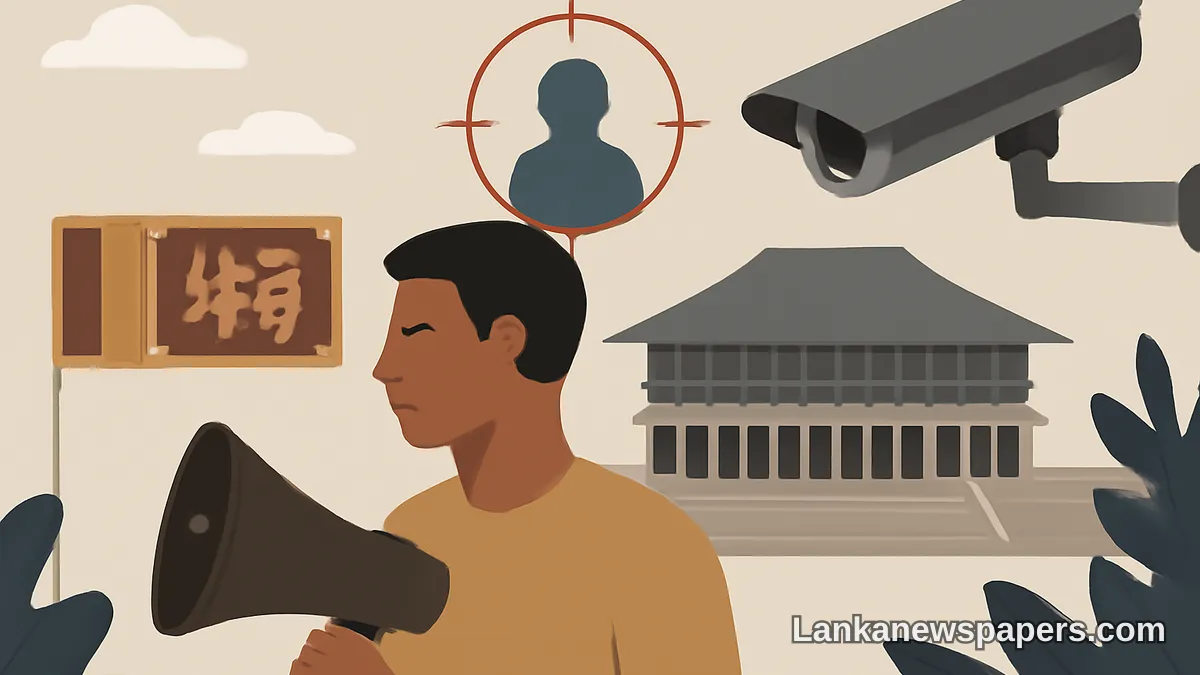
Sri Lanka's civic space continues to face mounting pressure, with fresh reports documenting a troubling pattern of surveillance and harassment targeting activists, proposed legislation that could further curtail freedoms, and the disruption of public gatherings in the country's Northern Province.
Activists Monitored and Intimidated
Recent reports have raised serious concerns about the treatment of civil society activists across Sri Lanka, with documented cases of individuals being placed under surveillance and subjected to harassment. Rights defenders and community organisers have found themselves increasingly targeted, raising alarms among local and international observers about the shrinking room for dissent and advocacy in the country.
The pattern of monitoring and intimidation has been identified as a significant threat to freedom of expression and association, with activists reporting that such pressure creates a chilling effect on public participation and civic engagement more broadly.
Proposed Bills Draw Concern
Adding to these concerns, new legislative proposals have emerged that critics warn could impose further restrictions on civil liberties. Rights groups and observers have flagged these bills as potentially providing authorities with expanded powers to limit the activities of civil society organisations, journalists, and individual activists operating within Sri Lanka.
The proposed measures have prompted calls from advocacy groups for transparency in the legislative process and meaningful public consultation before any such laws are passed. Concerns centre on whether the legislation, if enacted, would meet international human rights standards to which Sri Lanka is a signatory.
Gatherings Disrupted in the North
In Sri Lanka's Northern Province, reports indicate that public gatherings have been disrupted, a development that has drawn particular attention given the region's history and the sensitivities surrounding the rights of Tamil communities. The interference with assemblies in the North is viewed by rights observers as part of a broader trend restricting the right to peaceful protest and public expression.
Community members and activists in the region have expressed frustration at what they describe as continued obstacles to organising and speaking out on issues affecting their lives.
Calls for Accountability
Civil society bodies monitoring the situation have urged the Sri Lankan government to uphold its constitutional and international obligations with respect to freedom of expression, peaceful assembly, and the protection of human rights defenders.
Observers stress that a healthy democracy requires open civic space and that the current trajectory, if left unchecked, risks undermining public trust and democratic governance in Sri Lanka. They have called on authorities to engage constructively with civil society rather than treating it as a threat.

💬 Join the Discussion 0
Be the first to share your view on this story.