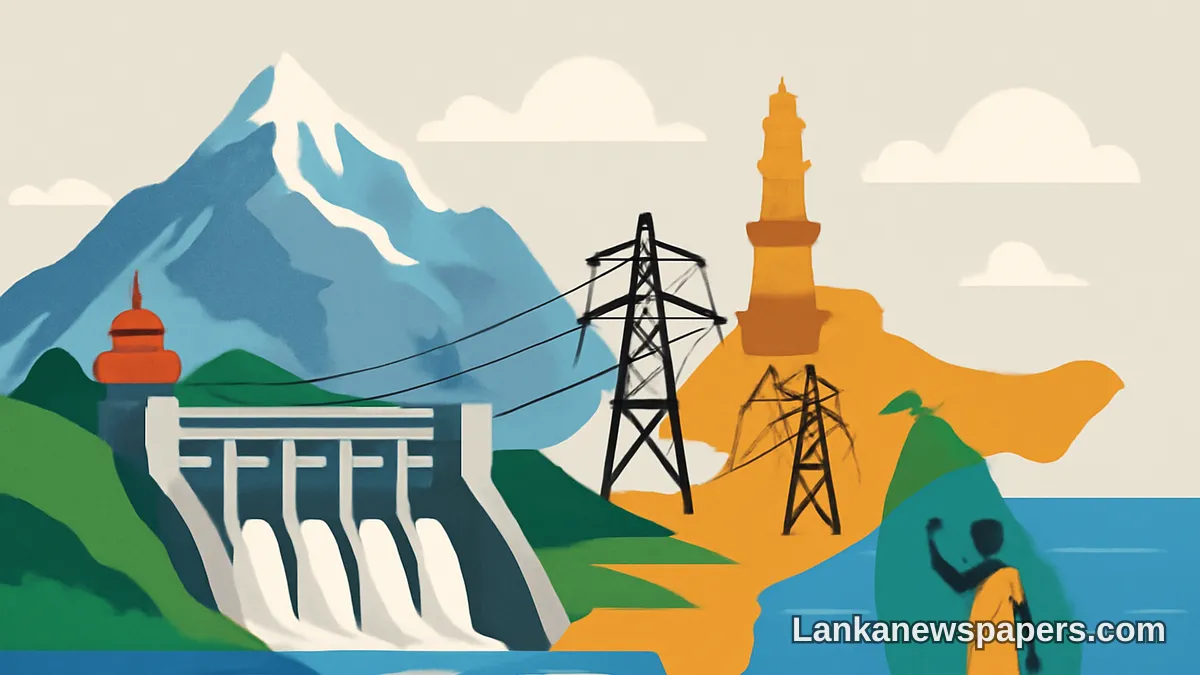
A Regional Energy Vision Takes Shape
Nepal is exploring the possibility of exporting its abundant hydropower electricity to Sri Lanka, using India's national grid as a transit route — a development that could significantly reshape South Asia's cross-border energy landscape and offer relief to power-hungry nations in the region.
The Proposal on the Table
Nepali authorities have been in discussions regarding the establishment of an energy corridor that would allow surplus hydroelectric power generated in Nepal to flow southward through India and ultimately reach Sri Lanka. The proposal underscores Nepal's growing ambition to monetise its vast water resources and position itself as a regional energy exporter.
Nepal holds enormous untapped hydropower potential, and successive governments in Kathmandu have sought to transform that natural advantage into a reliable source of foreign income. Exporting power to Sri Lanka would represent a notable expansion of those efforts beyond the existing Nepal-India bilateral energy trade.
What This Could Mean for Sri Lanka
For Sri Lanka, which has endured prolonged energy challenges in recent years — including severe power cuts during the economic crisis — access to affordable and renewable hydropower from Nepal could prove strategically valuable. Diversifying the island nation's energy supply chain would reduce dependence on costly fossil fuel imports and support the country's broader push toward sustainable energy solutions.
The arrangement would require India's cooperation as the intermediary transit nation, meaning trilateral agreements and technical coordination between all three governments would be essential before any electricity could flow.
A Complex but Promising Path
Analysts note that while the concept is promising, practical implementation presents considerable challenges. These include:
- Negotiating transit rights and energy-wheeling charges with India
- Establishing compatible grid infrastructure across borders
- Reaching commercial pricing agreements acceptable to all parties
- Coordinating regulatory frameworks between three sovereign nations
Despite these hurdles, the proposal aligns with broader regional trends toward greater South Asian energy integration, particularly as countries seek cleaner alternatives to coal and oil-fired power generation.
Broader Regional Implications
The initiative, if realised, would mark a significant milestone in South Asian regional cooperation. India has increasingly positioned itself as a facilitator of cross-border energy trade in the subcontinent, and its participation would be central to the success of any Nepal-Sri Lanka power arrangement.
Sri Lankan energy policymakers and officials have yet to make detailed public statements on the matter, but the prospect of securing long-term, renewable energy imports at competitive rates is likely to attract serious attention in Colombo as the country continues its post-crisis economic recovery.

💬 Join the Discussion 3
See what readers are saying — and add your view.
good idea actually, we need cheaper power badly
India will put conditions for sure, nothing is free with them
exactly, transit fees alone will eat half the benefit