Tusker Found with Gunshot Wound Raises Alarm Over Elephant Protection in Sri Lanka
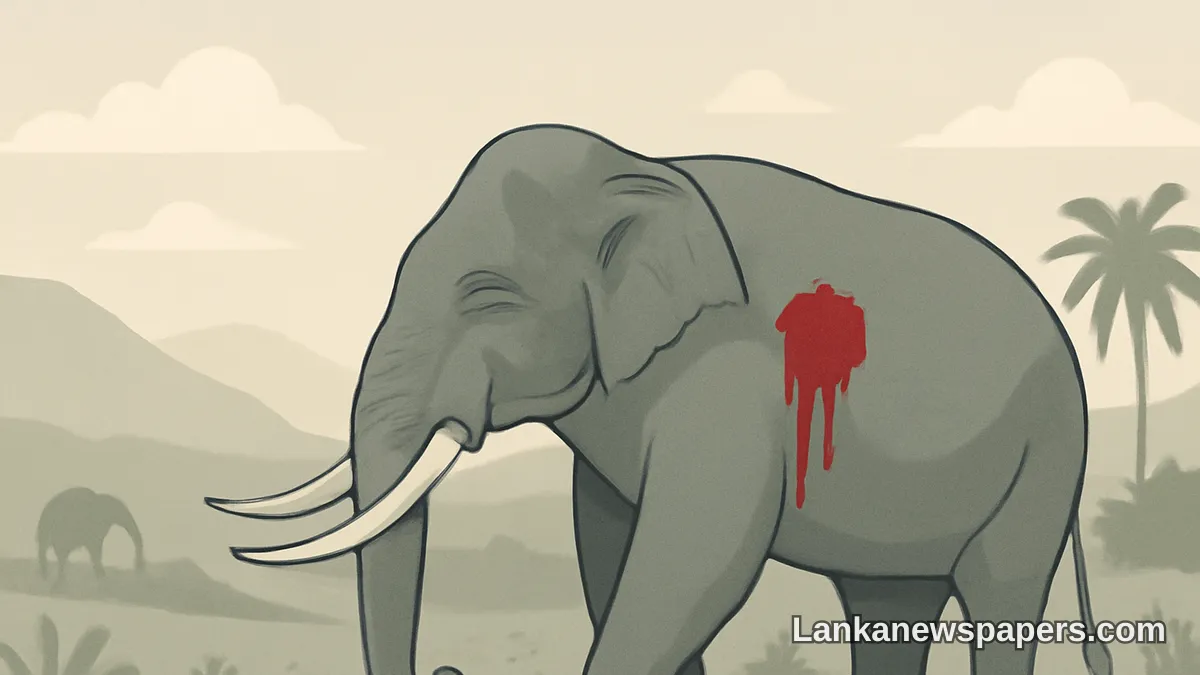
A wild elephant in Sri Lanka has been discovered bearing a gunshot wound, reigniting serious concerns about the safety and survival of the island's iconic tuskers and prompting urgent calls for stronger protective measures.
A Disturbing Discovery
Wildlife officials and conservationists were alarmed after the injured elephant was found with a wound consistent with a gunshot, highlighting the persistent threat that human activity poses to Sri Lanka's wild elephant population. While the full circumstances surrounding the shooting remain under investigation, the incident has drawn renewed attention to the dangers these animals face across the country.
Tuskers Under Threat
Sri Lanka is home to one of Asia's most significant elephant populations, and tuskers — male elephants bearing large ivory tusks — are particularly vulnerable due to the value placed on their ivory. The island's tuskers represent a rare and ecologically vital segment of the elephant community, yet they continue to face threats from poaching, illegal wildlife trade, and escalating human-elephant conflict.
Conservationists note that the proportion of tusked male elephants in Sri Lanka has declined sharply over the decades, a trend largely attributed to selective killing for ivory. Experts warn that if such incidents continue unchecked, the genetic future of the species on the island could be seriously compromised.
The Human-Elephant Conflict Crisis
Sri Lanka records some of the highest rates of human-elephant conflict in Asia. As agricultural communities expand into traditional elephant habitats, confrontations between humans and elephants have become increasingly frequent and deadly — claiming lives on both sides. Farmers, whose livelihoods are often destroyed by crop-raiding elephants, sometimes resort to extreme and illegal measures, including shooting, poisoning, and the use of hakka patas — improvised explosive devices concealed in food.
Each year, scores of elephants and dozens of people are killed as a result of these conflicts, placing enormous pressure on wildlife authorities to find lasting solutions.
What Can Be Done?
Wildlife experts and conservationists have outlined several approaches that could help better protect Sri Lanka's tuskers and the broader elephant population:
- Strengthening anti-poaching patrols in key elephant corridors and national parks
- Expanding and properly maintaining electric fencing along human-elephant boundaries
- Establishing wider and more functional wildlife corridors to reduce habitat fragmentation
- Introducing community-based compensation schemes for farmers who suffer crop or property losses
- Increasing penalties for those found guilty of harming or killing elephants
- Enhancing surveillance technology, including camera traps and drone monitoring, in vulnerable zones
Calls for Urgent Action
Conservation organisations stress that protecting Sri Lanka's elephants requires a coordinated response from government agencies, local communities, and international partners. Without meaningful intervention, incidents such as this latest shooting risk becoming an accepted norm rather than an outrage.
Elephants are an irreplaceable part of Sri Lanka's natural heritage and cultural identity. Every gunshot wound, every poisoning, every preventable death brings us closer to an irreversible loss.
Authorities have been urged to treat the investigation into this shooting with the utmost seriousness and to bring those responsible to justice — sending a clear message that violence against the country's wildlife will not be tolerated.
Sri Lanka's elephant population, estimated at between 5,800 and 6,000 individuals, remains one of the nation's greatest natural treasures. Safeguarding that legacy, conservationists insist, demands both political will and genuine community engagement.



💬 Join the Discussion 0
Be the first to share your view on this story.