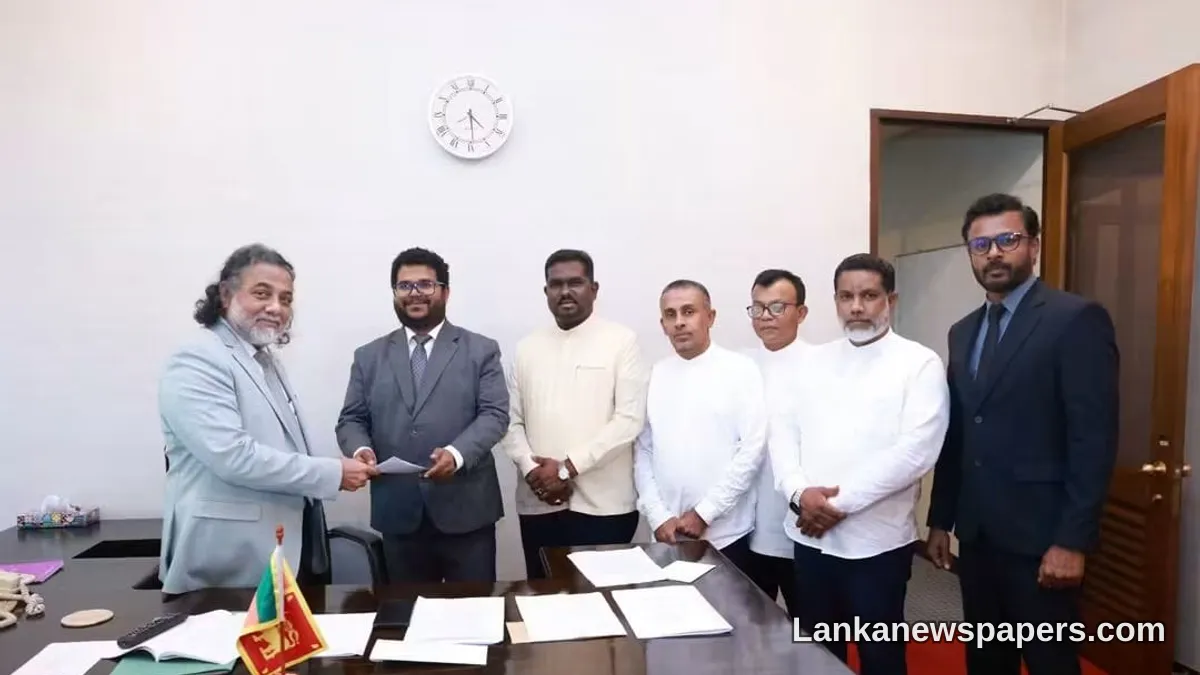
A group of government parliamentarians has put forward a proposal to establish a parliamentary select committee tasked with conducting a thorough and wide-ranging study of the Black July violence of 1983, one of the darkest chapters in Sri Lanka's post-independence history.
A Renewed Call for Accountability
The proposal, tabled by ruling party members of parliament, seeks to create a formal legislative body to examine the events surrounding the anti-Tamil pogrom that erupted in July 1983, in which thousands of Tamil civilians were killed, displaced, or had their properties destroyed in communal violence that swept across the country.
The move signals a renewed political will within the current administration to revisit the historical record of the violence, which many historians and human rights advocates have long argued has never been adequately addressed through official channels.
Significance of Black July
The events of July 1983 are widely regarded as a pivotal moment that accelerated Sri Lanka's descent into a prolonged civil war lasting nearly three decades. The violence was triggered following an ambush by the Liberation Tigers of Tamil Eelam in which thirteen soldiers were killed, but what followed was a wave of organised brutality targeting Tamil communities across the island.
- Thousands of Tamil civilians were killed in the violence
- Entire Tamil neighbourhoods in Colombo and other cities were destroyed
- Hundreds of thousands of Tamils were displaced internally or fled the country
- The pogrom is widely considered a catalyst for the escalation of the civil war
Parliamentary Process Ahead
If approved, the select committee would be empowered to gather testimony, review historical documentation, and produce findings intended to provide a comprehensive official account of what transpired during those violent days. Proponents of the committee argue that such a formal inquiry is long overdue and essential to the country's broader reconciliation process.
A parliamentary examination of Black July would represent a significant step toward acknowledging historical injustices and building a foundation for genuine national reconciliation.
The proposal is expected to be deliberated further within parliament, with cross-party support seen as critical to the committee's eventual formation and credibility. Civil society groups and Tamil community representatives are likely to watch the progress of this initiative closely, given the deep emotional and political significance that Black July continues to hold for many Sri Lankans, particularly within the Tamil community.
Sri Lanka has faced persistent international pressure over the years to meaningfully address past human rights violations and to pursue accountability as part of its post-war reconciliation agenda. The formation of such a committee could be seen as a domestic step in that direction.


💬 Join the Discussion 3
See what readers are saying — and add your view.
Which goverment MPs? Same ppl who always block these things?
About time. 40 years late but better than never.
Late means nothing if they just talk and do nothing as usual.