Ceylon Petroleum Corporation Compelled to Boost Diesel Supply as Private Competitors Scale Back Operations
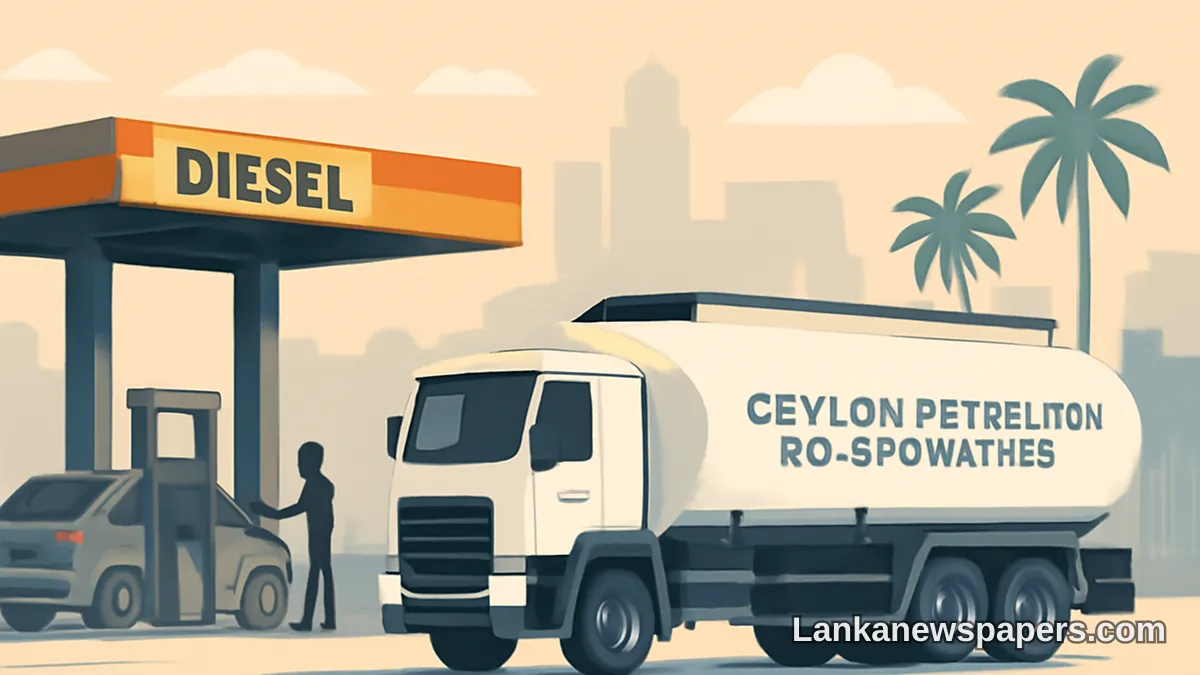
State Oil Giant Steps In as Private Players Exit Market
Sri Lanka's Ceylon Petroleum Corporation (CPC) has been forced to significantly increase its diesel supply to the local market after private sector competitors reduced their operations to cut mounting financial losses, industry sources have revealed.
Private Sector Retreat Leaves Gap in Supply Chain
The withdrawal or scaling back of private fuel distributors from the diesel market has placed the burden of maintaining adequate national supply squarely on the shoulders of the state-owned oil corporation. CPC, which has long operated as the country's primary fuel supplier, now finds itself compelled to fill the void left by competitors unwilling or unable to absorb further losses.
Private operators, who had entered the fuel retail space following market liberalisation measures, have been struggling to remain viable in the face of pricing pressures and slim or negative margins. Rather than continue operations at a loss, several competitors chose to reduce supply volumes or exit segments of the market entirely.
CPC Bears the Weight of National Fuel Security
As the state entity with a mandate to ensure fuel availability across the island, CPC has had little choice but to absorb the additional demand. This development raises fresh questions about the long-term sustainability of the corporation's operations and the broader structure of Sri Lanka's fuel retail sector.
The situation highlights the ongoing tension between market liberalisation goals and the practical realities of operating in a tightly regulated, price-sensitive fuel environment.
Analysts have noted that if diesel pricing mechanisms do not adequately reflect actual costs, private players will continue to find the market unviable, leaving CPC perpetually exposed as the supplier of last resort.
Concerns Over Long-Term Financial Sustainability
The increased supply burden on CPC is expected to have financial implications for the corporation, which has historically struggled with debt and operational losses tied to subsidised fuel pricing. Observers warn that without structural reforms to the pricing framework, the cycle of private sector retreat and state bailout is likely to repeat itself.
The development comes at a sensitive time for Sri Lanka's economy, which is still navigating recovery following the severe economic crisis of 2022. Maintaining stable fuel supplies remains critical to supporting economic activity, transport, and essential services across the country.


💬 Join the Discussion 0
Be the first to share your view on this story.