New Counterterrorism Bill Still Harbours Abusive Powers, Warns Human Rights Watch
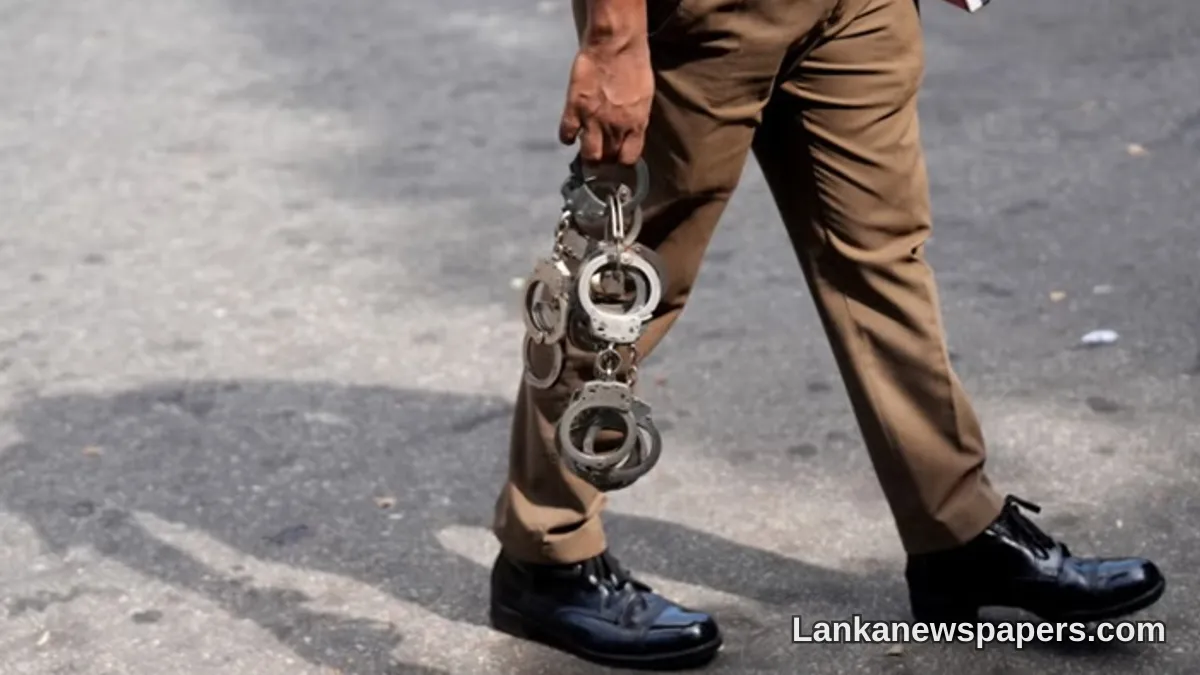
Sri Lanka's proposed counterterrorism legislation, drafted to replace the widely condemned Prevention of Terrorism Act (PTA), continues to retain numerous problematic provisions that could be used to violate fundamental rights, Human Rights Watch (HRW) has warned.
A Flawed Replacement
The government has long faced pressure from civil society groups, legal experts, and international organisations to scrap the PTA — a law that critics say has been systematically used to detain individuals for extended periods without trial, disproportionately targeting minorities, activists, and journalists. However, HRW's assessment of the new Counterterrorism Bill suggests it falls well short of the meaningful reform that had been promised.
According to HRW, the replacement legislation preserves several of the very clauses that made the PTA so controversial, raising serious concerns that the new bill is little more than a rebranding exercise rather than a genuine overhaul of Sri Lanka's national security framework.
Key Concerns Raised
- Broad and vaguely defined provisions that could be misused to criminalise peaceful dissent and protest
- Retention of powers allowing prolonged detention without adequate judicial oversight
- Insufficient safeguards to protect suspects from torture and ill-treatment while in custody
- Provisions that could disproportionately impact minority communities, echoing longstanding criticisms of the PTA
International Scrutiny Intensifies
Sri Lanka has been under sustained international pressure to reform or repeal the PTA, particularly following the end of the civil war in 2009. Numerous cases have been documented in which the legislation was invoked against Tamil individuals, Muslim community members, and government critics, often resulting in years of detention without conviction.
The United Nations and various human rights bodies have repeatedly called on Colombo to bring its counterterrorism laws into line with international human rights standards. The new bill was anticipated to be a significant step in that direction, particularly as Sri Lanka seeks to strengthen its standing with international partners and trading blocs.
Human Rights Watch has urged the Sri Lankan government to substantially revise the bill to ensure it complies with international human rights law before it is enacted.
Government Yet to Respond Formally
As of the time of reporting, the Sri Lankan government had not issued a formal public response to HRW's critique of the Counterterrorism Bill. Rights advocates and legal professionals within the country are expected to mount further pressure on Parliament to address the identified shortcomings before the bill is passed into law.
For many Sri Lankans — particularly those from communities that have historically borne the brunt of the PTA — the stakes could not be higher. Civil society groups have stressed that any new legislation must guarantee due process, protect individual liberties, and prevent the state from repeating the abuses of the past.

💬 Join the Discussion 2
See what readers are saying — and add your view.
same old PTA with a new name only. nothing changed for minorities.
exactly. cosmetic changes to fool international community thats all.