The Art of the Bow: How Sri Lanka's Corporate Elite Courts Political Power
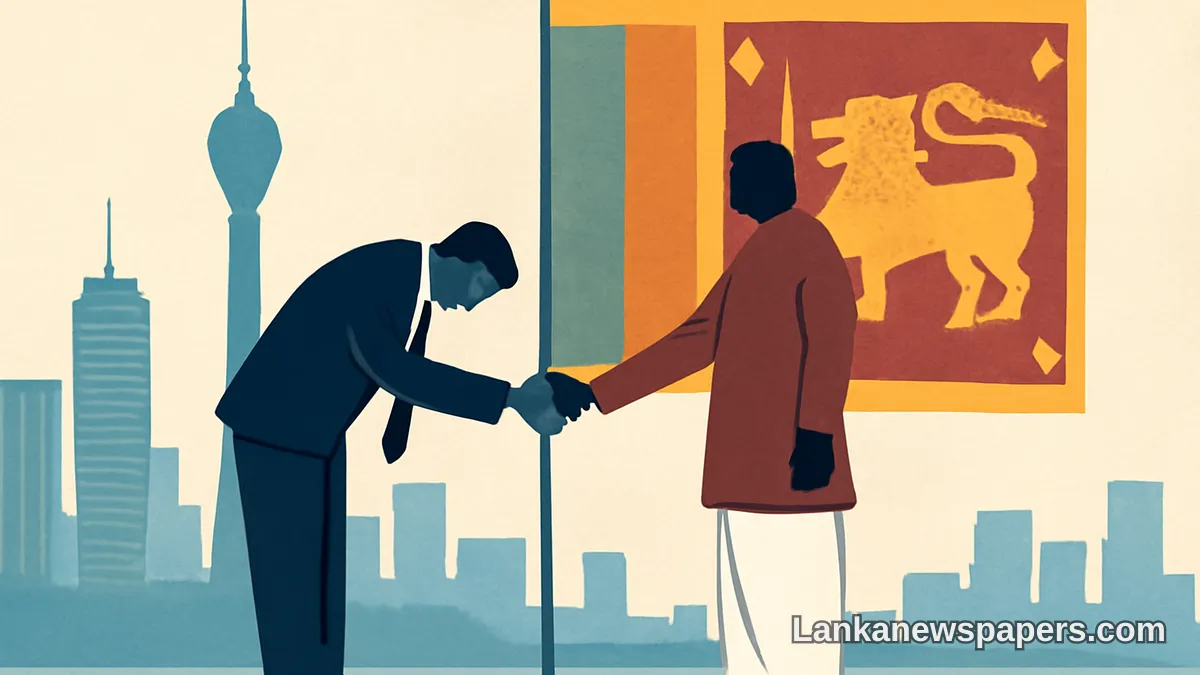
A Culture of Deference at the Top
In the corridors of Colombo's most prestigious boardrooms, a familiar ritual plays out with quiet regularity. Senior executives adjust their schedules, soften their public positions, and angle for face time with whoever currently holds the levers of state power. It is a dance as old as Sri Lankan independence itself, yet one that continues to shape the country's economic and political landscape in ways that rarely receive the scrutiny they deserve.
The Courtier Class
Sri Lanka's business elite has long maintained an uncomfortable proximity to political power. Rather than operating as an independent counterweight to government — as a healthy private sector might in a mature democracy — many of the island's most prominent corporate figures have historically chosen accommodation over confrontation. The calculation is understandable, if not entirely admirable: in an economy where state contracts, regulatory approvals, import licences, and land allocations can make or break a conglomerate, access to ministers and presidents carries enormous financial value.
This dynamic produces what might be called the Colombo courtier — the well-dressed, well-spoken business leader who navigates political transitions with remarkable agility, finding ways to remain relevant and useful to whichever administration holds office. Loyalty, in this world, is not ideological. It is transactional.
Sycophancy as Corporate Strategy
Corporate sycophancy in Sri Lanka manifests in several recognisable forms. Public praise for government economic policies — however questionable — appears reliably in press statements and business forum speeches. Donations to ruling-party affiliated causes flow with the political tides. Appointments to government advisory panels and task forces are accepted gratefully, providing both access and a veneer of legitimacy to administrations in need of private-sector credibility.
In return, favoured businesses have historically benefited from preferential treatment in public procurement, protection from foreign competition through tariff policy, and a regulatory environment shaped at least partly by private lobbying conducted behind closed doors rather than through transparent public processes.
The Cost to the Broader Economy
The consequences of this entanglement extend well beyond individual boardrooms. When corporate leaders compete for political favour rather than market share, innovation suffers. When regulatory frameworks are negotiated informally between powerful incumbents and their political patrons, new entrants are disadvantaged and consumer interests are overlooked. When business voices that should be offering honest counsel to government instead offer flattery, economic policymaking is deprived of the independent expertise it urgently needs.
Sri Lanka's catastrophic economic crisis of 2022 — which brought the country to the edge of total fiscal collapse — offered a painful illustration of what can happen when honest feedback loops between the private sector and the state break down entirely. Too few prominent business voices raised early public alarms about the unsustainable trajectory of government finances, debt accumulation, and foreign reserve depletion.
A New Administration, Old Patterns?
With the administration of President Anura Kumara Dissanayake now in office on a platform of systemic change and anti-corruption, a pertinent question arises: will the patterns of corporate courtership simply reproduce themselves under new political management? Early signs suggest that some among Colombo's business community are already recalibrating their public postures, attending NPP-affiliated forums and offering measured praise for the new government's reform agenda.
Whether this represents genuine alignment with a reformist vision or simply the latest iteration of a very old survival strategy remains to be seen.
The Case for Independence
Genuine economic reform in Sri Lanka will ultimately require a business community willing to engage with government on honest terms — offering criticism where criticism is due, supporting policy on its merits rather than on the basis of personal relationships, and advocating transparently for regulatory frameworks that serve the broader public interest rather than narrow incumbent advantage.
- Independent business associations that speak publicly and honestly on economic policy
- Transparent lobbying frameworks that place private-sector advocacy on the public record
- Corporate governance standards that hold boards accountable for public positions taken on behalf of their companies
- Media and civil society scrutiny of the relationships between major business groups and political actors
None of this will emerge spontaneously. It will require deliberate choices by individual business leaders willing to accept that short-term political access is a poor substitute for the long-term institutional environment that a genuinely competitive, rules-based economy requires.
The Colombo courtier has survived every change of government Sri Lanka has witnessed since 1948. Whether the country's next chapter finally produces a different kind of business leadership is one of the more consequential questions facing the island's economy today.


💬 Join the Discussion 0
Be the first to share your view on this story.