Sri Lanka's Sovereign Stance: The Iranian Ships Controversy and the Battle Against Unilateral Sanctions
A Diplomatic Tightrope
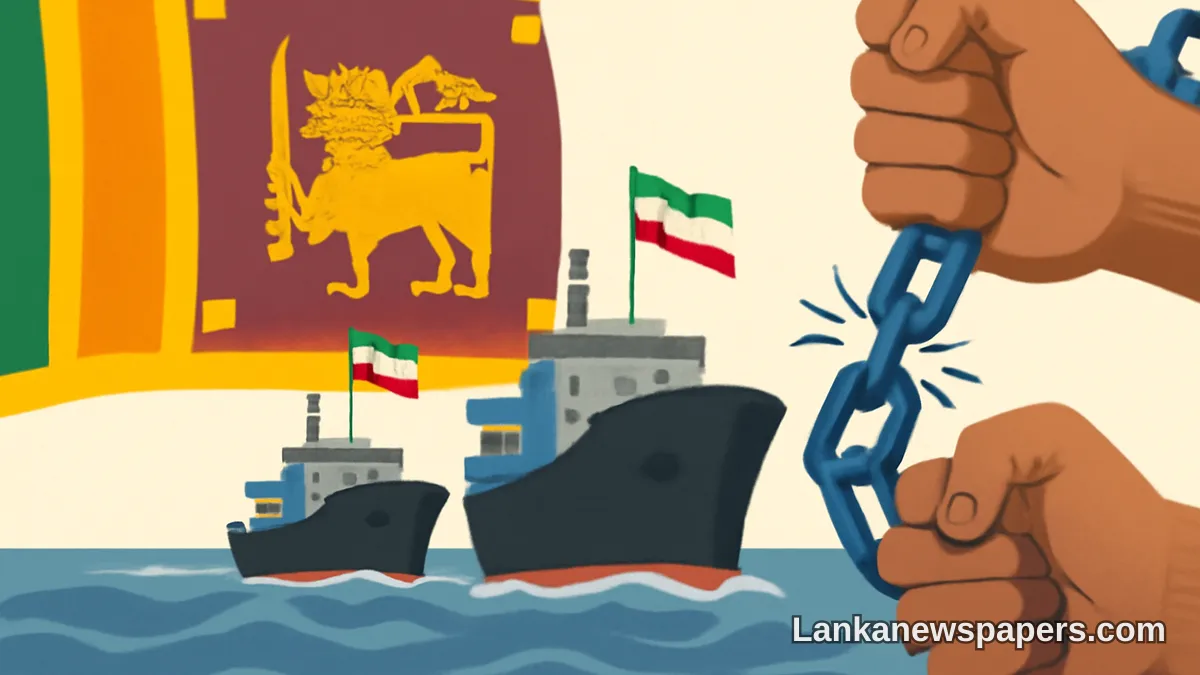
Sri Lanka has found itself at the centre of a delicate geopolitical debate following the arrival of Iranian vessels in its waters, reigniting a broader conversation about the island nation's long-held position on unilateral sanctions imposed by powerful Western nations — most notably the United States.
The Iranian Ships in Question
The presence of Iranian ships has drawn significant international attention, with critics questioning whether Sri Lanka is inadvertently facilitating the evasion of sanctions placed on Iran by the United States and its allies. The vessels' docking has prompted diplomatic murmurs from Western capitals, putting Colombo in an uncomfortable spotlight.
However, Sri Lankan authorities have been clear in their response: the country operates within the framework of international law as defined by the United Nations, and does not consider itself bound by sanctions that have not received multilateral endorsement through the UN Security Council.
Colombo's Principled Position
Sri Lanka's stance on unilateral sanctions is not a new development born out of opportunism. For decades, the country has maintained that economic penalties imposed by individual nations or blocs — outside of a UN mandate — carry no binding legal authority over sovereign third-party states.
This position aligns with a broader sentiment shared by many developing nations in the Global South, who argue that unilateral sanctions are frequently used as instruments of political coercion rather than genuine tools of international justice. Sri Lanka has consistently advocated for multilateralism and the primacy of the United Nations framework in resolving international disputes.
Economic Realities Cannot Be Ignored
Beyond the principled argument lies an undeniable economic dimension. Sri Lanka, still navigating the painful aftermath of its worst financial crisis in modern history, cannot afford to turn away legitimate trade and commercial opportunities. Engagement with countries like Iran — particularly in areas such as fuel and commodities — has historically offered Sri Lanka alternative supply options when Western-aligned markets prove costly or inaccessible.
Critics at home and abroad warn, however, that such engagements risk complicating Sri Lanka's relationships with key financial partners, including the International Monetary Fund, the World Bank, and bilateral donors from the West whose support remains critical to the country's economic recovery.
A Balancing Act for Colombo
The episode underscores the increasingly difficult balancing act that Sri Lanka must perform on the world stage. On one hand, the government is committed to upholding its sovereign right to engage with all nations in accordance with international law. On the other, it must carefully manage relationships with powerful Western economies whose goodwill remains essential during this period of fiscal fragility.
Sri Lanka's position reflects a broader resistance among Global South nations to what many perceive as the extraterritorial overreach of unilateral sanctions regimes imposed without UN authorisation.
What Comes Next
All eyes are now on how the Sri Lankan government chooses to navigate the diplomatic fallout. Whether Colombo holds firm to its principled opposition to unilateral sanctions or quietly recalibrates its posture under external pressure will speak volumes about the direction of the country's foreign policy in the years ahead.
For now, Sri Lanka appears resolute — insisting that its ports, its trade relationships, and its foreign policy decisions remain its own to make, guided by international law rather than the dictates of any single powerful nation.



💬 Join the Discussion 1
See what readers are saying — and add your view.
finally someone standing up to these western bully sanctions, good on sri lanka