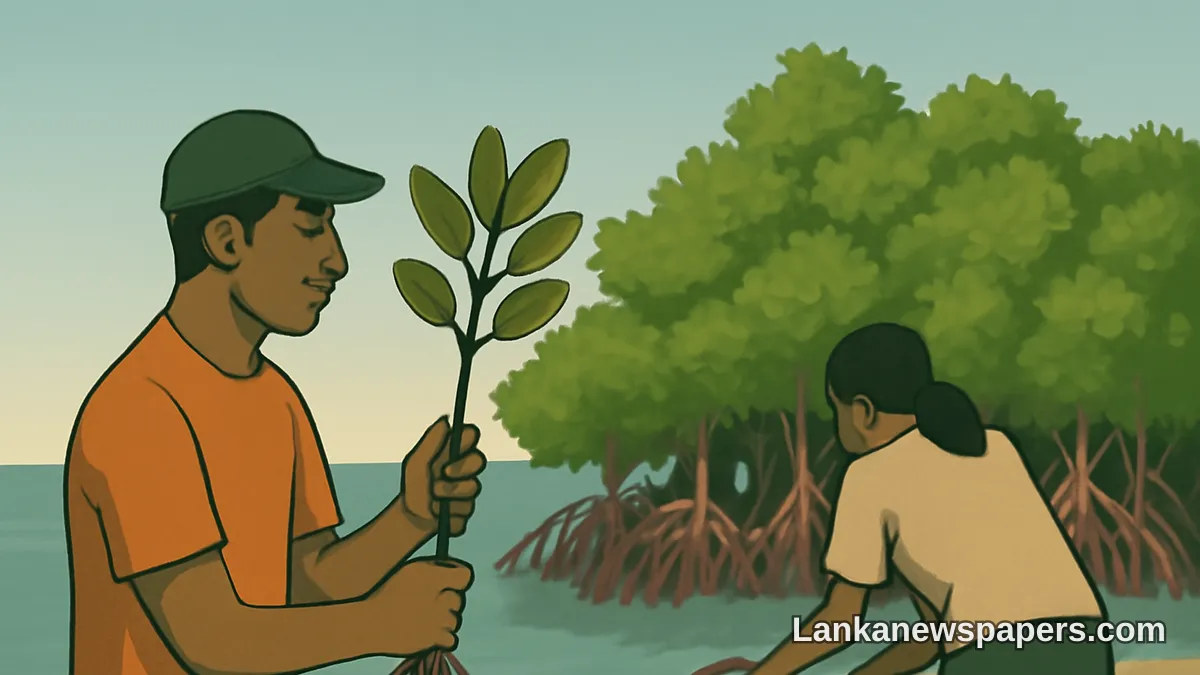
A Coastal Treasure Under Threat
Sri Lanka's mangrove forests, once stretching abundantly along the island's coastline, have faced decades of degradation driven by coastal development, aquaculture expansion, and unsustainable land use. Yet, amid mounting environmental pressures, a quiet but determined conservation movement is working to restore and protect these vital ecosystems before it is too late.
Why Mangroves Matter
Mangroves are far more than clusters of salt-tolerant trees rooted in coastal mud. These unique ecosystems serve as critical nurseries for fish and crustaceans, supporting the livelihoods of thousands of fishing communities across Sri Lanka. Their dense root systems act as natural barriers against storm surges and coastal erosion — a lesson brought into sharp focus by the devastating 2004 Indian Ocean tsunami, which caused significantly less damage in areas where mangrove cover remained intact.
Beyond their protective role, mangroves are among the most effective carbon sinks on the planet, storing carbon at rates far exceeding those of tropical rainforests. Their preservation is therefore not only a local environmental concern but a matter of global climate significance.
Decades of Decline
Sri Lanka has lost a substantial portion of its mangrove cover over the past several decades. Conversion of mangrove land for shrimp and prawn farming, urban coastal development, and the collection of mangrove timber for firewood have all taken a heavy toll. Estimates suggest the country's mangrove extent has shrunk dramatically from historical levels, leaving coastlines increasingly vulnerable and marine biodiversity depleted.
Communities Leading the Charge
What makes Sri Lanka's conservation story particularly compelling is the central role played by local communities. Coastal villages that once contributed to mangrove destruction have, in many cases, become their most passionate defenders. Through awareness programmes, community-led planting initiatives, and the establishment of locally managed protected zones, grassroots efforts have begun to reverse the trend of decline in several districts.
- Community nurseries have been established to cultivate native mangrove species for replanting along degraded coastlines.
- Local fishermen have been trained as conservation monitors, helping to deter illegal logging and encroachment.
- Women's groups in coastal villages have taken leading roles in organising replanting drives and environmental education.
Government and NGO Partnerships
Sri Lanka's conservation efforts have been bolstered by partnerships between government agencies, non-governmental organisations, and international bodies. The country launched an ambitious national mangrove conservation programme in recent years, aiming to protect existing forests and actively restore degraded areas. These initiatives have drawn attention from international conservation groups who recognise Sri Lanka's potential to become a model for mangrove restoration in South Asia.
Protecting mangroves is not simply an environmental goal — it is an investment in the security and prosperity of every coastal community in Sri Lanka.
Challenges That Remain
Despite encouraging progress, significant challenges persist. Enforcement of protections against illegal clearing remains inconsistent in some areas, and the economic pressures facing coastal communities continue to make mangrove lands attractive targets for conversion. Climate change itself poses a growing threat, with rising sea levels and increasingly intense weather events placing additional stress on these ecosystems.
Experts stress that long-term success will depend on ensuring that conservation is economically viable for local communities — through ecotourism, sustainable fisheries, and carbon credit schemes that reward communities for preserving their mangrove forests.
A Story Still Being Written
Sri Lanka's mangroves have endured centuries of pressure, yet they continue to stand — stubborn, salt-weathered, and irreplaceable. The conservation movement growing around them represents one of the island's most important environmental stories, blending science, community action, and policy in a shared effort to secure a greener and more resilient coastline for generations to come.



💬 Join the Discussion 1
See what readers are saying — and add your view.
finally some good news, goverment usually just ignores these things