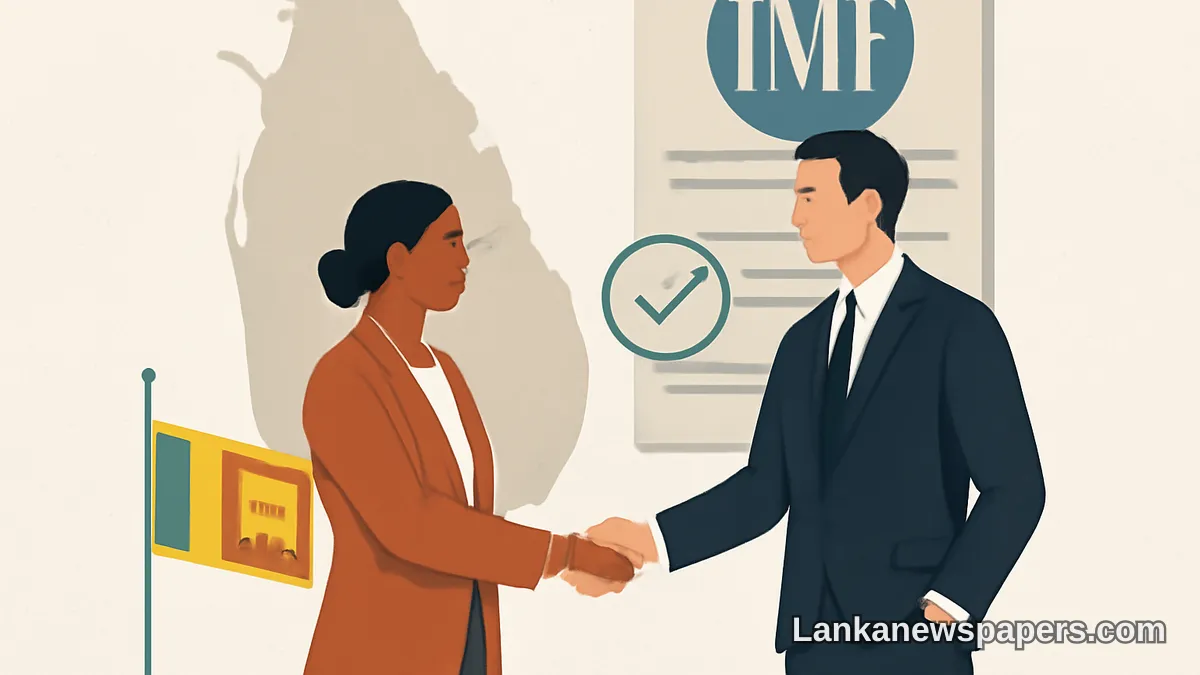
The International Monetary Fund has reached a staff-level agreement with Sri Lanka on the seventh review of the country's ongoing bailout programme, marking another significant milestone in the island nation's economic recovery journey.
What the Agreement Means
A staff-level agreement signals that IMF technical teams and Sri Lankan authorities have concluded discussions and reached a consensus on the country's economic performance and reform progress. The deal must still receive formal approval from the IMF's Executive Board before any associated funds can be disbursed.
Sri Lanka has been working closely with the Washington-based lender since entering into a four-year Extended Fund Facility arrangement in 2023, following the country's worst economic crisis since independence, which saw foreign reserves collapse, fuel and medicine shortages grip the population, and the government default on its external debt for the first time in history.
A Long Road to Stability
Successive reviews under the IMF programme have assessed whether Colombo has met agreed targets covering fiscal consolidation, revenue mobilisation, debt restructuring, and structural reforms. Completion of each review unlocks tranches of financial support and reinforces Sri Lanka's credibility with other international creditors and development partners.
The seventh review agreement reflects continued engagement between the government and the Fund, and signals that the two sides remain broadly aligned on the reform path charted out when the programme was first approved.
Reform Commitments Remain Critical
Analysts have noted that sustaining momentum on key policy measures — including tax administration improvements, state enterprise restructuring, and social safety net strengthening — will be essential to maintaining the IMF relationship and restoring long-term macroeconomic stability.
Sri Lanka's economy has shown gradual signs of recovery, with inflation cooling significantly from the extreme highs seen during the 2022 crisis and foreign reserves rebuilding to more comfortable levels. However, economists caution that the country's debt burden remains substantial and that reform fatigue poses a persistent risk.
Next Steps
With the staff-level agreement now in place, attention turns to the IMF Executive Board, whose formal sign-off will be required to complete the review. Upon board approval, Sri Lanka is expected to receive the next tranche of funding under the programme, providing further support to government finances and bolstering confidence among investors and trading partners.
The government has described the continued IMF engagement as a cornerstone of its broader strategy to restore economic stability and return Sri Lanka to sustainable growth following the devastating crisis years of 2022 and 2023.

💬 Join the Discussion 2
See what readers are saying — and add your view.
same cycle again, borrow more money, suffer more taxes, repeat
exactly men, who is actually benefiting from this