IMF Warns Sri Lanka to Align Fuel Prices With Global Markets Amid Growing Economic Risks
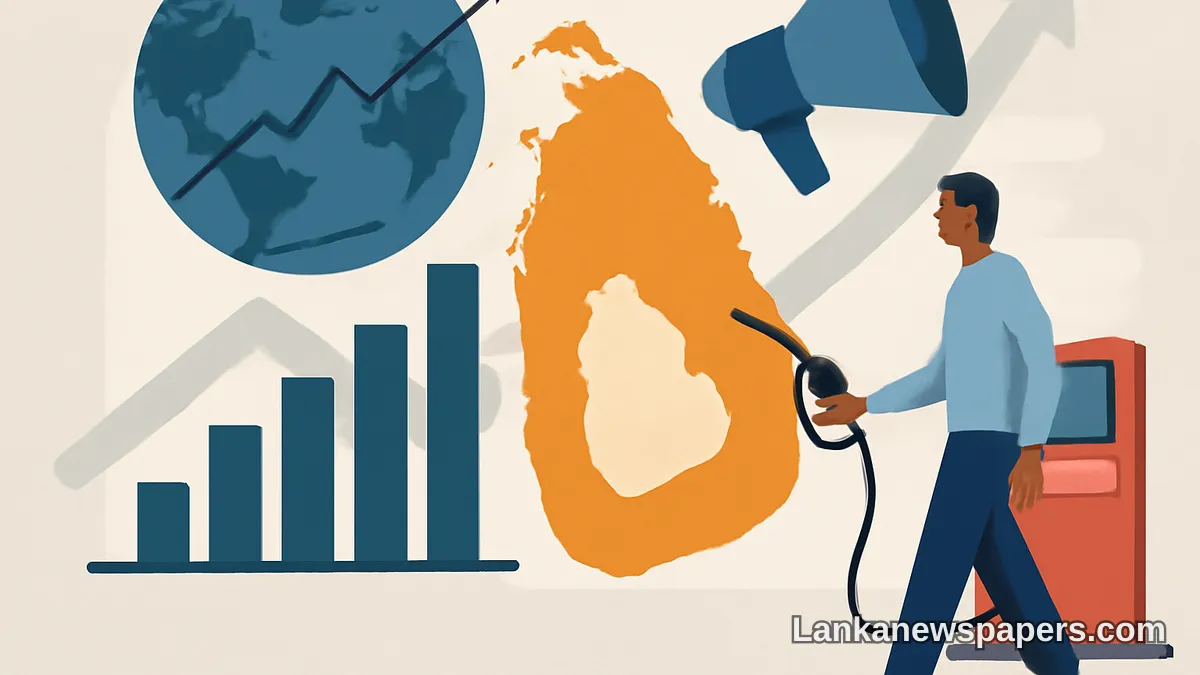
The International Monetary Fund has called on Sri Lanka to allow domestic fuel prices to move in line with global market fluctuations, cautioning that continued price controls could pose significant risks to the country's fragile economic recovery.
Automatic Pricing Mechanism Under Scrutiny
The IMF's appeal centres on the need for Sri Lanka to maintain a transparent, automatic fuel pricing formula that reflects actual international oil market movements. The Fund has expressed concern that any deviation from market-based pricing could undermine fiscal stability and strain government finances at a critical juncture in the island nation's economic rehabilitation programme.
Sri Lanka has been working through a structured IMF bailout package following the unprecedented economic crisis of 2022, which saw the country default on its foreign debt and face crippling shortages of fuel, medicine and other essential goods. Maintaining the integrity of key reform commitments, including the fuel pricing mechanism, remains central to the ongoing recovery effort.
Risks of Subsidised Pricing
Analysts note that shielding consumers from global price movements, while politically appealing, can have serious downstream consequences for an economy still rebuilding its reserves and credibility with international creditors.
- Suppressed fuel prices increase the burden on state-owned Ceylon Petroleum Corporation, which has historically accumulated heavy losses.
- Fiscal pressures from subsidies can widen the budget deficit, complicating debt management efforts.
- Inconsistent pricing policies risk eroding investor confidence at a time when Sri Lanka is seeking to attract foreign capital.
Balancing Reform With Public Sentiment
The government faces a delicate balancing act. With global oil markets remaining volatile, any sharp upward adjustment to local fuel prices could trigger public discontent, particularly among lower-income households and transport-dependent industries already grappling with the aftermath of the economic crisis.
The IMF has consistently maintained that market-reflective fuel pricing is a cornerstone of sustainable fiscal management and a key condition tied to Sri Lanka's extended Fund facility arrangement.
Sri Lankan authorities have yet to issue a formal response to the IMF's latest guidance on the matter. However, officials have previously indicated their commitment to honouring reform benchmarks as the country advances through successive review stages of its bailout programme.
As global energy markets continue to face uncertainty driven by geopolitical tensions and shifting supply dynamics, the pressure on Colombo to make timely and transparent fuel pricing adjustments is expected to intensify in the months ahead.



💬 Join the Discussion 3
See what readers are saying — and add your view.
if prices go up again public transport also will suffer. already hard enough.
IMF always advising like they paying our bills. easy to say no?
exactly. they dont have to fill petrol and feed kids same time.