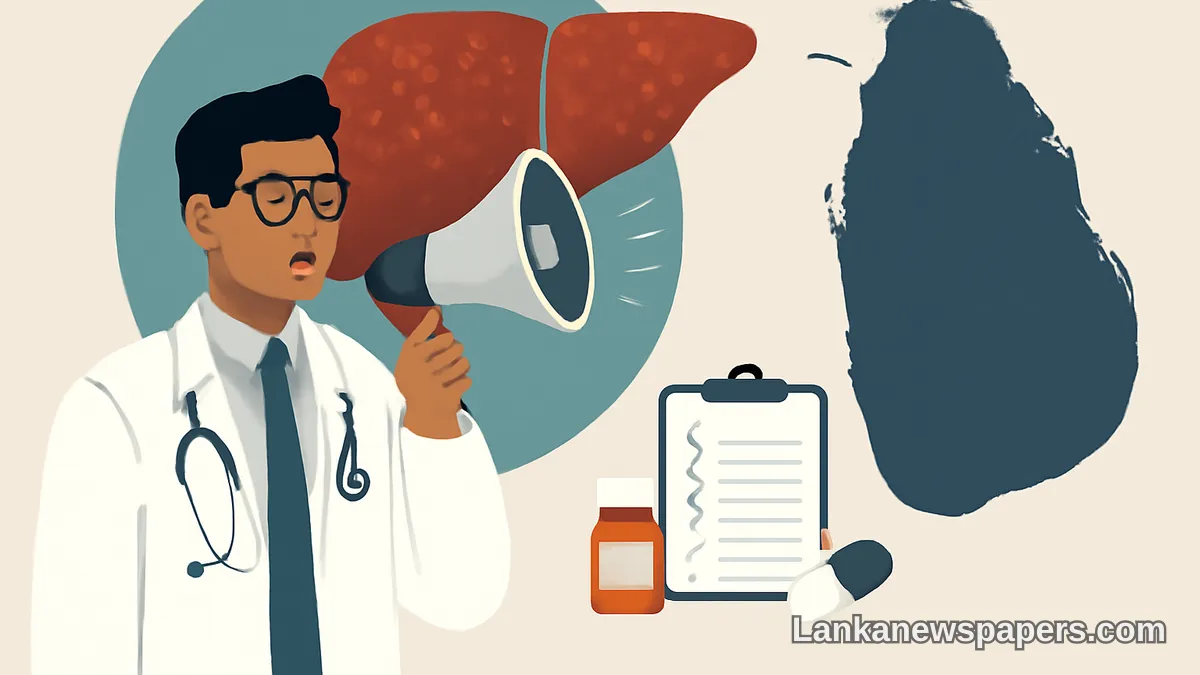
A Silent Epidemic Taking Hold
Medical professionals in Sri Lanka are raising urgent alarm bells over the rapidly growing prevalence of fatty liver disease across the country, warning that the condition is fast becoming a serious public health concern that demands immediate attention from both authorities and the general public.
What Is Fatty Liver Disease?
Fatty liver disease, medically known as hepatic steatosis, occurs when excess fat builds up in the liver. There are two primary forms — alcoholic fatty liver disease, linked to heavy alcohol consumption, and non-alcoholic fatty liver disease (NAFLD), which is associated with obesity, poor diet, diabetes, and a sedentary lifestyle. Left untreated, the condition can progress to severe liver inflammation, cirrhosis, and even liver failure.
Why Sri Lanka Is at Risk
Specialists have pointed to several lifestyle and dietary shifts driving the surge in cases locally. Key contributing factors identified by health professionals include:
- Rising rates of obesity and type 2 diabetes among Sri Lankans of all age groups
- Increased consumption of processed foods, refined carbohydrates, and sugary beverages
- Declining levels of physical activity, particularly in urban populations
- Limited public awareness about liver health and early warning signs
The Danger of a Symptomless Condition
One of the most troubling aspects of fatty liver disease is that it often presents no obvious symptoms in its early stages, earning it a reputation as a "silent" condition. Many patients are unaware they are affected until the disease has already progressed to a more dangerous stage, by which point treatment options become significantly more limited.
Doctors are urging Sri Lankans to undergo routine liver function screenings, particularly those who are overweight, diabetic, or have a family history of liver disease.
Prevention Remains the Best Medicine
Health authorities stress that fatty liver disease is largely preventable and, in its early stages, even reversible through lifestyle changes. Medical experts are recommending that Sri Lankans adopt a balanced, nutritious diet rich in vegetables, whole grains, and lean proteins while significantly reducing their intake of fast food and sugary drinks.
Regular physical exercise — at least 30 minutes of moderate activity on most days of the week — has also been highlighted as a critical preventive measure. Doctors further advise that individuals with known risk factors such as high cholesterol, hypertension, or diabetes seek medical guidance promptly to assess their liver health.
A Call for National Action
Beyond individual responsibility, health professionals are calling on the Sri Lankan government and relevant public health institutions to invest in wider awareness campaigns and to integrate liver disease screening into existing national health programmes. Early detection, experts insist, is the single most effective tool in preventing the country's fatty liver crisis from escalating further into a full-scale epidemic.



💬 Join the Discussion 2
See what readers are saying — and add your view.
kottu and rice every day, what do you expect honestly
dont forget the poya day string hoppers with coconut milk