Sri Lanka's Graduate Unemployment Crisis: A Costly Paradox the Nation Can No Longer Ignore
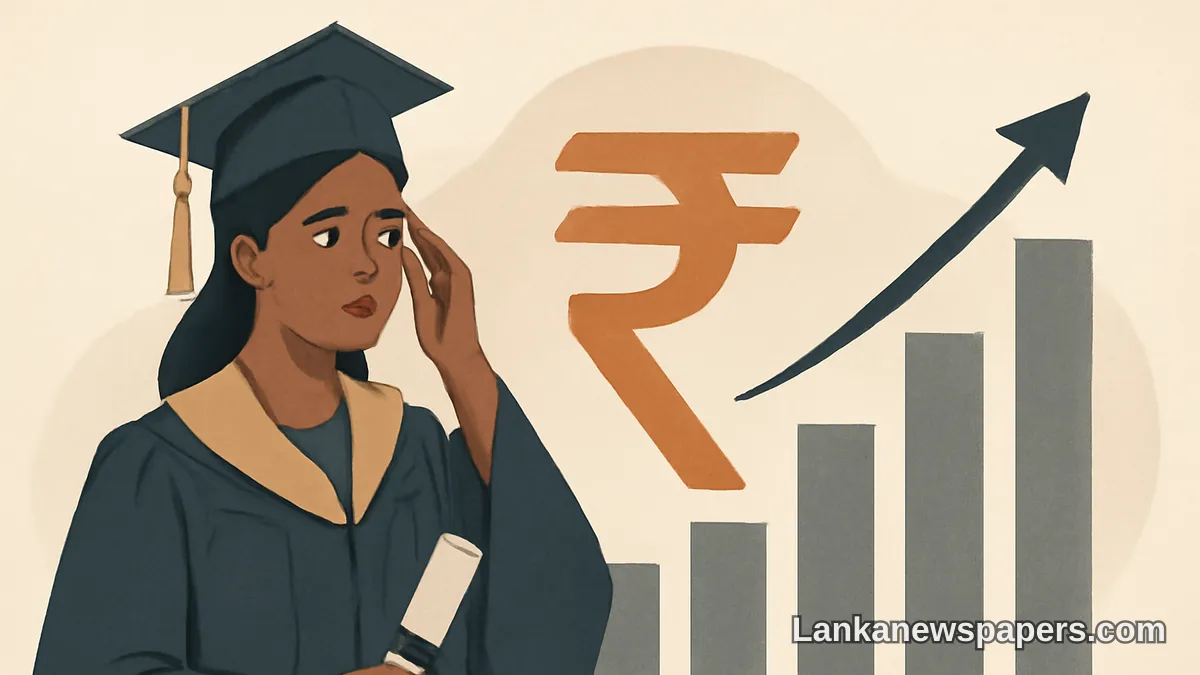
A Nation That Invests in Education, Yet Struggles to Employ Its Graduates
Sri Lanka has long prided itself on high literacy rates and a robust public education system — achievements that have historically set the island apart from many of its regional neighbours. Yet beneath this proud tradition lies a deepening and expensive contradiction: thousands of university graduates entering the job market each year, only to find that meaningful employment remains frustratingly out of reach.
The Scale of the Problem
Graduate unemployment in Sri Lanka is not a new phenomenon, but its persistence and growing scale have made it one of the most pressing socioeconomic challenges facing the country today. Young men and women who have dedicated years to earning their degrees are increasingly finding themselves without work that matches their qualifications, forcing many into roles well beneath their skill level or pushing them towards emigration.
The paradox is stark: the state spends considerable public funds to educate its youth, only to see that investment yield limited economic returns when graduates cannot find suitable employment. This represents not merely a personal setback for individuals and their families, but a systemic drain on the national economy.
A Mismatch Between Education and Industry
At the heart of the crisis lies a fundamental disconnect between what Sri Lanka's universities produce and what the country's employers actually need. Degree programmes, many of which have remained largely unchanged for decades, often fail to equip students with the practical, technical, and digital skills that modern industries demand.
Meanwhile, the private sector continues to report difficulties in finding candidates with the right competencies, even as the pool of degree holders grows year upon year. The result is a labour market caught in a frustrating deadlock — too many graduates chasing too few suitable positions, while genuine skill shortages persist in critical sectors.
The Hidden Economic Cost
Beyond the human cost, graduate unemployment carries a significant economic burden. When educated individuals remain idle or underemployed, the productivity gains that should flow from a well-educated workforce simply do not materialise. Consumer spending suffers, tax revenues fall short, and the state may face additional welfare pressures — all while having already absorbed the cost of providing that education.
There is also the matter of brain drain. Faced with limited prospects at home, an increasing number of Sri Lanka's brightest graduates are choosing to build their careers and lives abroad. While remittances provide some economic benefit, the long-term loss of skilled human capital weakens the country's capacity to innovate and grow.
What Needs to Change
Addressing this paradox will require coordinated and honest reform across multiple fronts. Among the most widely discussed solutions are:
- Reforming university curricula to better align with current and emerging industry needs, with a stronger emphasis on technical skills, entrepreneurship, and digital literacy.
- Strengthening partnerships between higher education institutions and the private sector to create clearer pathways from study to employment.
- Expanding vocational and technical training as valued alternatives to traditional degree programmes, reducing the stigma often associated with non-university qualifications.
- Encouraging entrepreneurship and start-up culture among graduates, supported by accessible financing and mentorship frameworks.
- Improving career guidance services at the university level so that students make more informed decisions about their fields of study.
A Generational Challenge That Demands Urgent Attention
The educated unemployed are not a statistic to be managed quietly — they represent an entire generation whose potential is being squandered. For Sri Lanka, still navigating the aftermath of its worst economic crisis in modern history, the cost of allowing this paradox to continue is simply too high.
Investing in education without investing equally in the conditions for employment is not a development strategy — it is a long-term liability.
Policymakers, academic institutions, and business leaders must come together with genuine urgency. Sri Lanka cannot afford to keep producing graduates for unemployment. The time for meaningful, structural reform is not approaching — it is already overdue.



💬 Join the Discussion 2
See what readers are saying — and add your view.
my cousin has a degree and selling roti on the road. system failed us.
sad but true, degree means nothing here anymore.